BY Issah Olegor
The Chief Executive Officer of MobileMoney Fintech LTD (MMFL), Shaibu Haruna, has urged stakeholders in Ghana’s financial sector to build the country’s emerging digital asset ecosystem on the strong foundation created by mobile money and digital payment systems, describing tokenisation as the next major step in expanding financial inclusion and modernising digital financial services.
According to him, Ghana has already invested significantly in developing a reliable digital payment infrastructure through mobile money and interoperability, making the country well-positioned to embrace digital assets, tokenised financial products and more efficient cross-border payment solutions.
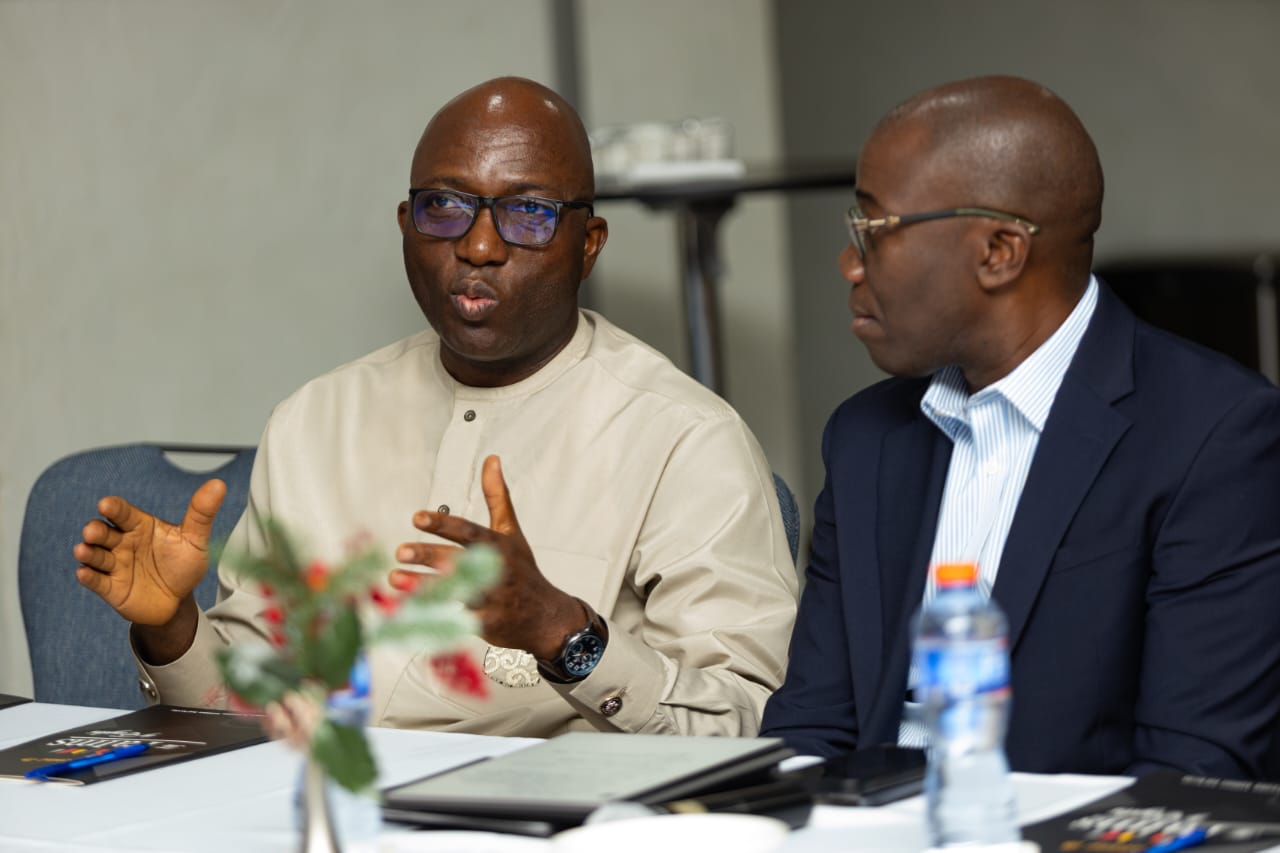
Haruna made the remarks during a panel discussion on “From Exploration to Adoption: How Banks and FinTechs Can Build the Digital Asset Ecosystem Together” at Fidelity Bank Ghana’s stakeholder workshop held under the theme “Shaping Ghana’s Financial Future: Digital Assets, Virtual Assets, Tokenisation.”
His comments come at a time when the financial sector is witnessing rapid digital transformation, driven by increased mobile money adoption, fintech innovation, improved payment interoperability and growing interest in digital assets across global financial markets.
Over the past decade, mobile money has transformed financial inclusion in Ghana by providing millions of people with access to payment, savings, remittance and other financial services without the need for traditional banking infrastructure.
Speaking at the forum, Haruna said Ghana’s existing mobile money ecosystem already provides the ideal platform upon which regulated digital asset services can be developed and delivered to customers.
He explained that years of investment in mobile money infrastructure have produced a robust domestic payment network capable of supporting the next generation of financial innovations.
“We have built a domestic highway and network for digital payments. Through interoperability and mobile money, we have created a strong domestic payment infrastructure. What we are now adding is an international gateway that addresses the friction that exists in cross-border payments,” he stated.
The MMFL Chief Executive stressed that tokenisation should not be viewed as a replacement for existing financial systems but rather as an opportunity to strengthen and expand them by making financial services more efficient, accessible and inclusive.
According to him, customers already conduct financial transactions daily through their mobile phones, making it easier for financial institutions to introduce regulated digital asset services through platforms that users already trust and understand.
“For me, this is about leveraging the infrastructure we have already built. Customers no longer need to visit physical branches to carry out transactions. They already use their mobile phones every day. Our responsibility is to build platforms that enable them to seamlessly access these new services while giving them greater choice,” he said.
Haruna noted that digital assets could unlock significant opportunities for Ghana in areas including cross-border payments, remittances and tokenised investment products, adding that financial institutions should concentrate on developing practical solutions that address the real needs of customers.
He further emphasised that collaboration rather than competition would determine the success of the digital asset ecosystem.
According to him, banks, fintech companies, mobile money operators and regulators all possess unique strengths that must be combined to create a secure, efficient and well-regulated digital financial environment.
“The question is not whether banks need mobile money operators or vice versa. The regulatory framework itself encourages partnerships. Every institution must determine where it has the expertise to build and where collaboration delivers greater value,” he stated.
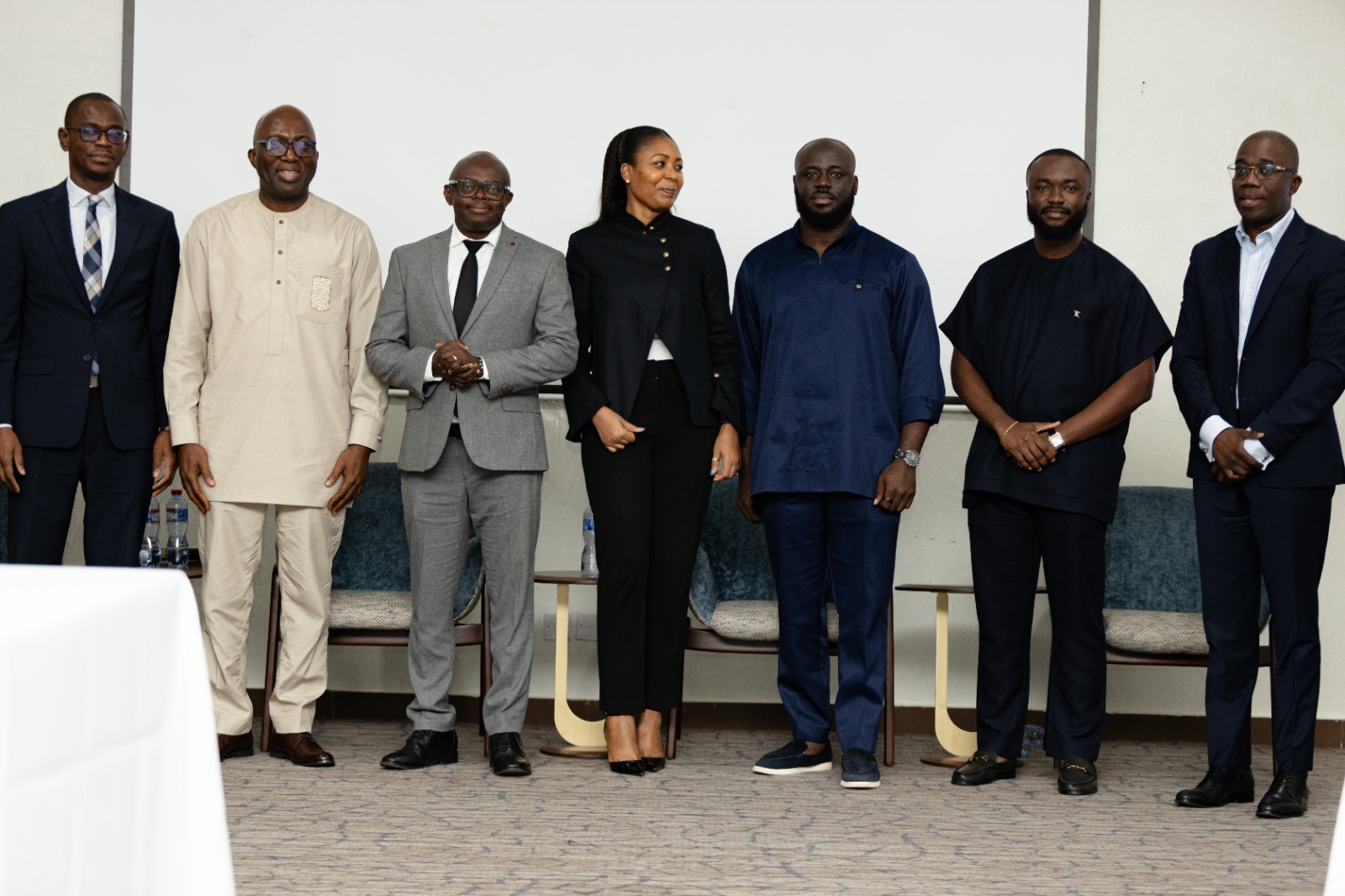
The panel discussion also featured Kofi Genfi, Chief Executive Officer of Vaulta Digital Assets, and Kwadwo Owusu-Agyemang, Country Manager of Akuna Wallet, who shared insights on digital asset regulation, infrastructure development, cross-border payments and strategic partnerships required to accelerate adoption in Ghana.
In a separate presentation, Dr. David Animante, Chief Risk Officer of Fidelity Bank Ghana, encouraged traditional banks to embrace fintech companies as strategic partners instead of competitors.
He explained that while fintech firms continue to drive innovation and technological advancement, banks contribute critical strengths in governance, public trust, capital management and risk management, making collaboration essential for developing a secure and sustainable digital asset ecosystem.
The stakeholder workshop, organised by Fidelity Bank Ghana, brought together regulators, commercial banks, fintech companies and digital asset experts to examine the opportunities, regulatory outlook and commercial applications of digital assets, virtual assets, tokenisation and cross-border payment systems within Ghana’s evolving financial services industry.