
BY Nadia Ntiamoah
Moroccan authorities have released three Senegalese supporters who were imprisoned following violent scenes during the Africa Cup of Nations (AFCON) final in Rabat, bringing partial closure to a controversy that has lingered since one of the tournament’s most disputed endings
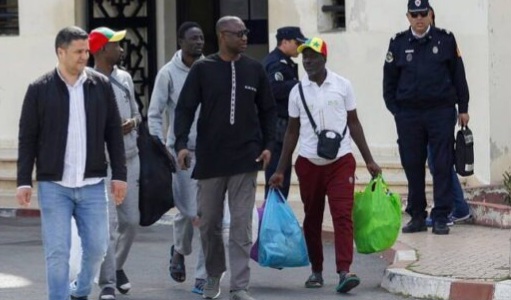
The trio were freed on Saturday after completing three-month custodial sentences and were released from Al Arjat 2 prison, located near the Moroccan capital.
Following their discharge, they were transported to a police station to complete administrative formalities before being handed over to officials from the Senegalese Embassy.
One of the released fans, speaking moments after regaining freedom, expressed appreciation in symbolic fashion, saying “dima Maroc, dima Maghrib,” a phrase translating to “long live Morocco,” reflecting a conciliatory tone despite the circumstances surrounding their detention.
Background: AFCON Final Marred By Chaos
The arrests stem from disturbances that erupted during the AFCON final in Rabat—an already controversial match that drew widespread attention across the continent.
The game itself had been overshadowed by disputes and heightened tensions, eventually spilling into crowd trouble involving sections of supporters.
The incident forms part of a broader fallout from the tournament, which has also triggered diplomatic engagement and legal battles involving multiple stakeholders, including football authorities and national governments.
Legal Process And Ongoing Detentions
According to defence lawyer Patrick Kabou, diplomatic and consular efforts played a crucial role in securing the release of the three supporters. He commended authorities for facilitating the process and urged continued assistance to help the individuals reintegrate after their time in custody.
However, the situation remains unresolved for others.
Fifteen Senegalese fans are still serving prison sentences ranging from six months to one year. Those convictions were upheld on appeal earlier in the week, indicating that legal consequences for the unrest are far from over.


