By Daniel Bampoe
Parliamentary proceedings were brought to an abrupt halt on Thursday, October 30, 2025, after a quorum could not be met, highlighting a worsening absenteeism crisis among NDC MPs.
With only 92 MPs present out of the 189-strong majority required to begin business, the House was forced to adjourn, drawing fresh scrutiny on legislative accountability.
The NDC secured a commanding majority in the 2024 elections, winning 189 out of 275 seats, while the New Patriotic Party (NPP) lost all 56 constituencies it previously held and only have 86.
Despite this supermajority, Parliament has struggled to conduct even basic business, largely due to the absence of a significant number of MPs.
The “Lean Government”
Following the 2024 elections, President John Mahama inaugurated what he termed a “lean and efficient government,” appointing 60 ministers including some from Parliament.
However, a substantial number of MPs — particularly newly elected members — were left without ministerial or board appointments, creating disillusionment and disengagement.
Sources indicate that many of these MPs have since avoided parliamentary sittings, citing frustration at being sidelined from executive positions.
The absenteeism has provoked concern among minority MPs and parliamentary watchers, prompting the Speaker, Rt. Hon. Alban Sumana Kingsford Bagbin, to repeatedly ring the quorum bell and warn of potential adjournments.
Jinapor Blasts Majority: “Absent Supermajority”
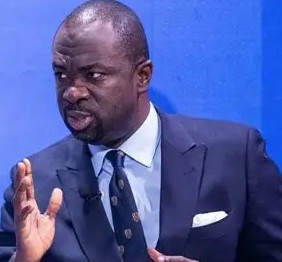
During Thursday’s session, the Member of Parliament for Damongo, Samuel Abdulai Jinapor, openly criticized the NDC majority for failing to attend sittings despite holding a commanding 189-seat advantage.
Samuel Jinapor’s statements, which were read verbatim in the House, emphasized both the irresponsibility of absent MPs and the consequences for national governance.
Speaking to the Speaker and the House, Jinapor said: “The second meeting, this session of Parliament, the first meeting, the second meeting, and the third meeting — our friends from the other side, 189 of them, consistently do not attend the House. They do not have enough members of Parliament to conduct business.”
He highlighted the gravity of the issue in relation to government business scheduled for the day:
“Mr. Speaker, I have in my hand the order paper for 30th October 2025. You have very important government business listed to be taken today — government business. So many of them. Allow me to point out some of them: papers are to be laid, the scholarship scheme of our country where the welfare of students is to be discussed here in this House, government business — and yet they don’t come to Parliament.”
He added: “189 of them, supermajority, two-thirds of Parliament. They say we are a micro-minority. Numbers, quantities. Mr. Speaker, I have in my hand here the order paper… and yet they cannot carry government business through because I want to conclude by submitting, the Ghanaian people… stood in the sun on December 7th, the Ghanaian people gave them an extraordinary mandate. The Ghanaian people gave them 189 members of Parliament because they want President Mahama’s business and agenda to go through this House without any hindrance. And yet they cannot produce 90 of the 189 of them to form quorum to proceed to conduct business in this House.”
Samuel Jinapor concluded with a damning verdict on the Majority caucus: “With the greatest respect, this majority, these 189 of them — their quantity, I want to conclude by saying — this is an absent supermajority, an absent 189 majority.”
Attendance Audit Confirms Crisis
The absenteeism highlighted by Jinapor mirrors findings from the parliamentary attendance audit for the first quarter of 2025.
The report, covering 43 sittings between January and March, revealed that 28 MPs repeatedly absented themselves without permission.
High-profile absentees included Joseph Frempong (Nkawkaw), who missed 22 sittings, and Finance Minister Dr. Cassiel Ato Forson, absent for 17.
Other notable names included Samuel Okudzeto Ablakwa, Dr. Rashid Pelpuo, John Jinapor, and Dr. Dominic Ayine — many now serving as ministers or deputy ministers.
Reasons maybe that the dual responsibilities of ministerial and legislative duties have made it increasingly difficult for MPs to maintain consistent attendance, while civil society groups warn of the constitutional conflict inherent in ministers simultaneously serving as lawmakers overseeing the executive.
Speaker Bagbin Issues Ultimatum
Speaker Bagbin expressed his frustration over chronic absenteeism and threatened enforcement of constitutional sanctions.
He warned: “Any member who continues to absent themselves from sittings without written permission will forfeit their seat. Under Article 97(1)(c) of the 1992 Constitution, any MP who absents themselves from 15 sittings in a meeting without permission automatically loses their seat.”
The Speaker also announced tighter attendance monitoring and reiterated that afternoon sittings, intended to accommodate committee work and constituency engagements, had been widely abused.
A Growing Concern for Governance
The quorum crisis has left critical government business, including discussions on the national scholarship scheme, unresolved.