BY Daniel Bampoe
Cocoa farmers across Ghana are expressing growing frustration over delayed payments and insufficient financial support, as Licensed Buying Companies (LBCs) and cooperative societies grapple with funding shortages at the start of the 2025/2026 cocoa season.
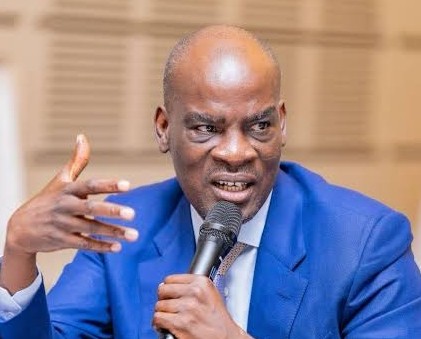
The challenges, highlighted by Issifu Yussif Issaka, President of the Ghana Cooperative Cocoa Farmers Association, underscore deep-rooted structural and systemic issues within the cocoa sector that continue to affect farmer livelihoods.
According to Issaka, farmers face significant hurdles due to delays in disbursing syndicated loans meant for cocoa purchases, bureaucratic inefficiencies, and mounting debts within state-owned companies such as the Produce Buying Company (PBC).
These financial constraints have left many cooperative societies unable to pay farmers promptly, despite government assurances of available funds.
The situation has sparked frustration among farmers, who rely heavily on timely payments for their daily sustenance and farm operations.
The President of the Association also raised concerns about the methodology used to determine cocoa prices.
While the government announced a headline producer price of US$5,040 per metric tonne, representing an increase from the previous season’s US$3,100, Issaka stressed that the increment in local currency terms amounted to only 4.1%, from GH¢3,100 to GH¢3,228.75 per 64kg bag.
He described this as insufficient to offset rising production costs, including expensive inputs, labour shortages, and the effects of climate change such as erratic rainfall and increased prevalence of crop diseases like black pod.
Read full story on thedailygistonline.com
Issaka further condemned the impact of illegal mining (galamsey) on cocoa farms, which not only destroys crops but contaminates local water sources, exacerbating the difficulties faced by farmers.
He called for stronger government action, including a possible declaration of a state of emergency in cocoa-growing communities, to protect the sector from both environmental and economic threats.
Despite these challenges, Issaka acknowledged positive interventions, such as the reintroduction of government input supply programs and the Ghana Cocoa Traceability System, aimed at ensuring compliance with the European Union’s Deforestation Regulation by the end of 2025.
However, he noted that many farmers remain uninformed about these initiatives, limiting their potential benefits.
The cocoa sector in Ghana, the world’s second-largest producer, has long struggled with transparency and fair representation for farmers.
Issaka emphasized the need for farmer inclusion in decision-making bodies like the Cocoa Price Review Committee, arguing that policies and pricing structures should reflect production realities rather than administrative convenience.
He also urged support for local LBCs, investment in rural infrastructure, and enhanced farmer education to ensure sustainable development and improved livelihoods.
He reaffirmed the Association’s commitment to defending the rights of cocoa farmers and promoting policies that enhance economic empowerment, sustainability, and resilience within the sector.
“We stand ready to collaborate with the government and stakeholders to address systemic issues and secure a dignified, viable future for the cocoa farmers,” he said, highlighting the urgency of addressing the financial and structural crises currently threatening the nation’s cocoa industry.