BY NADIA NTIAMOAH
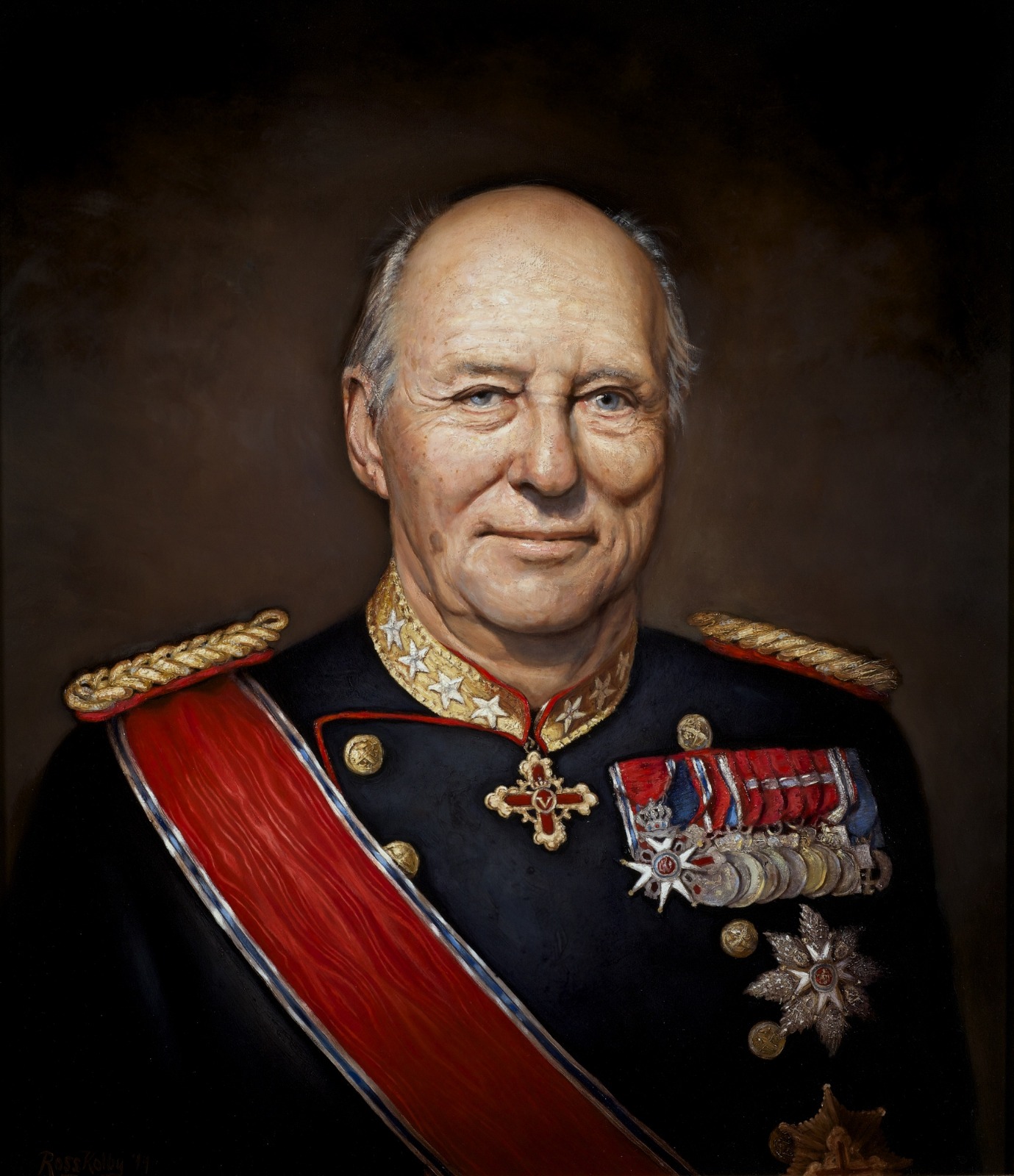
Norway has lost one of the most recognisable figures in its modern history after King Harald V died at the age of 89, bringing to an end a 35-year reign marked by an increasingly informal monarchy, personal openness and his prominent role during some of the country’s darkest moments.
The Norwegian Royal Palace announced that the King died peacefully at 06:35 local time on Friday at the National Hospital in Oslo, where he had been receiving treatment for a rare blood disorder. Following the announcement, the royal flag above the palace was lowered to half-mast as the country entered a period of national mourning.
Members of the public gathered outside the palace to leave flowers and Norwegian flags in tribute to the monarch, who had remained a highly familiar figure in Norwegian public life throughout his long reign.
Harald’s death has also triggered a change at the top of the Norwegian monarchy, with his 53-year-old son, Crown Prince Haakon, succeeding him as king. Haakon was expected to chair an extraordinary Council of State with the Norwegian government following his father’s death.
Born on February 21, 1937, at the Skaugum estate near Oslo, Harald was the first Norwegian-born king since the 14th Century.
He became king in 1991 after the death of his father, King Olav V, and went on to spend more than three decades shaping a monarchy that royal observers increasingly viewed as more accessible and less rigid than traditional European royal institutions.
One of the defining features of Harald’s personal story was his marriage to Sonja Haraldsen, a commoner and daughter of a businessman.
Their relationship lasted several years before Harald was granted permission by his father to marry her. The future king had reportedly made it clear that he would remain unmarried if he was prevented from marrying Sonja.
The couple eventually married at Oslo Cathedral on August 29, 1968. Sonja later became Queen of Norway when Harald ascended the throne.
The marriage was regarded as an important departure from traditional expectations surrounding European royalty and subsequently helped create a precedent for members of the next generation of the royal family to marry outside royal circles.
Royal historian and commentator Tove Taalesen described Harald as “one of us”, while royal expert Caroline Vagle said he had “always been very close to the people”.
Perhaps the most defining public moment of Harald’s reign came after the devastating terrorist attacks of July 22, 2011.
Far-right extremist Anders Behring Breivik killed eight people in a bombing in central Oslo before travelling to Utøya, where he murdered 69 people, many of them teenagers attending a youth camp.
The attacks plunged Norway into national grief and presented Harald with one of the most difficult challenges of his reign.
In a televised address, the King appealed to Norwegians to respond to the tragedy with unity rather than fear and division.
“I can only imagine the depth of your pain. As King of this nation, I feel for every one of you,” he said.