
By Daniel Bampoe
The New Patriotic Party (NPP) has intensified its opposition to the controversial Tribunals Bill, 2026, with senior party figures warning President John Dramani Mahama against assenting to the legislation, arguing that its passage threatens judicial independence, undermines constitutional democracy and revives institutions associated with one of Ghana’s darkest political eras.
The latest calls come after Parliament approved the Tribunals Bill following its third reading despite strong resistance from the Minority, setting the stage for what could become one of the most contentious pieces of legislation under the Mahama administration.
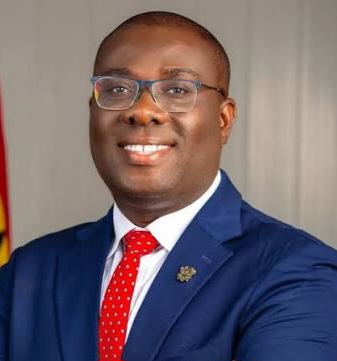
Leading the opposition is Akuapem North Member of Parliament, Sammi Awuku, who has described Parliament’s decision to restore regional tribunals as a “tragedy” for Ghana’s democracy.
Speaking on Eyewitness News, Sammi Awuku argued that the country does not need a parallel tribunal system when the existing courts already possess the constitutional mandate and capacity to adjudicate criminal and civil matters.
According to him, government should rather invest resources in strengthening the High Courts, Circuit Courts and District Courts instead of reviving institutions whose relevance has long been questioned.
He pointed to recommendations made by the Constitutional Review Commission, which proposed that regional tribunals be abolished because the High Courts had successfully absorbed their caseloads over the years.
Sammi Awuku maintained that improving the capacity of existing courts and expanding the jurisdiction of the Circuit Courts would be a more effective approach to addressing delays in the justice system.
He warned that recent actions by the National Democratic Congress (NDC) government have created growing public anxiety over the impartiality of the judiciary.
“Every step the NDC takes makes it very scary for us to believe that you are going to have a fair trial if you seek redress in court. I am worried about the sanctity of our judiciary and the resilience of our democracy,” he stated.
The Akuapem North legislator further argued that regional tribunals remain deeply connected in the minds of many Ghanaians to periods in the country’s political history during which allegations of unfair trials and abuses of justice were widely reported.
According to him, successive governments have largely refrained from fully operationalising the tribunals because of that historical legacy.
“I don’t know what it is with this government that all of a sudden they are fixated on resuscitating the regional tribunals. It remains a dark spot in our nation’s history,” he added.
The Minority has also formally appealed to President Mahama not to sign the bill into law.
Ranking Member on Parliament’s Constitutional, Legal and Parliamentary Affairs Committee and Member of Parliament for Asante Akim Central, Kwame Anyimadu-Antwi, said the Minority would soon issue a detailed statement outlining what it considers to be fundamental defects in the legislation.
According to him, President Mahama has an opportunity to preserve his democratic legacy by withholding presidential assent.
“We would come out with a press release telling Ghanaians the wrong things in the bill. And then we would also ask President Mahama, whom we all think should leave a good legacy, not to sign this bill because it’s no good for Ghana,” he said.
Mr. Anyimadu-Antwi argued that the government’s justification for reviving regional tribunals—including reducing court backlogs and strengthening the fight against illegal mining—does not justify creating a separate judicial structure.
He contended that the Chief Justice already possesses constitutional authority to establish specialised divisions within the existing court system to handle particular categories of cases, making the proposed tribunals unnecessary.
The Minority lawmaker further expressed concern over provisions governing the composition of tribunal panels, alleging that educational qualification requirements for some tribunal members were weakened during Parliament’s consideration of the bill.
He also maintained that certain aspects of the legislation may be unconstitutional and warned that the Minority could challenge the law before the courts should President Mahama give it presidential assent.
The Tribunals Bill, 2026 seeks to reintroduce regional tribunals under a revised legal framework aimed at strengthening the administration of justice, improving access to legal remedies and dealing more efficiently with specialised categories of offences.
The legislation was passed after extensive parliamentary debate, with the Majority insisting that the revised framework addresses concerns associated with the old tribunal system while providing additional mechanisms to improve justice delivery.
Majority Leader Mahama Ayariga has sought to calm public concerns by assuring Civil Society Organisations and other stakeholders that Parliament remains open to reviewing any provisions of the law if practical implementation exposes areas requiring amendment.


