By Daniel Bampoe
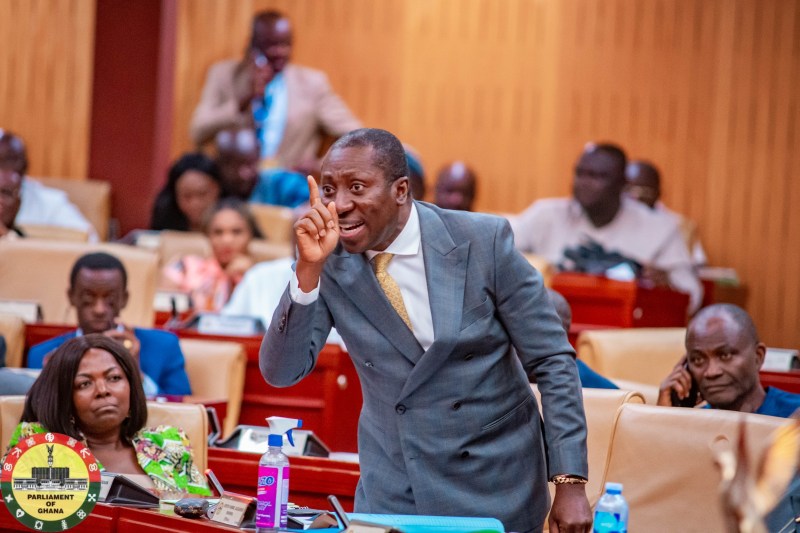
The New Patriotic Party (NPP) has taken another significant step towards its forthcoming national executive elections with the balloting process determining the positions of candidates on the ballot paper for the various national positions.
The ballot arrangement has brought into sharper focus the crowded nature of the contest, particularly the race for National Chairman, General Secretary, Vice Chairperson, National Organiser, Youth Organiser and Nasara Coordinator.
The positioning is expected to become an important feature of the campaign as candidates intensify their engagements with delegates ahead of the elections.
In the National Chairmanship contest, former NPP General Secretary John Boadu secured ballot position one, followed by Sammy Crabbe at number two.
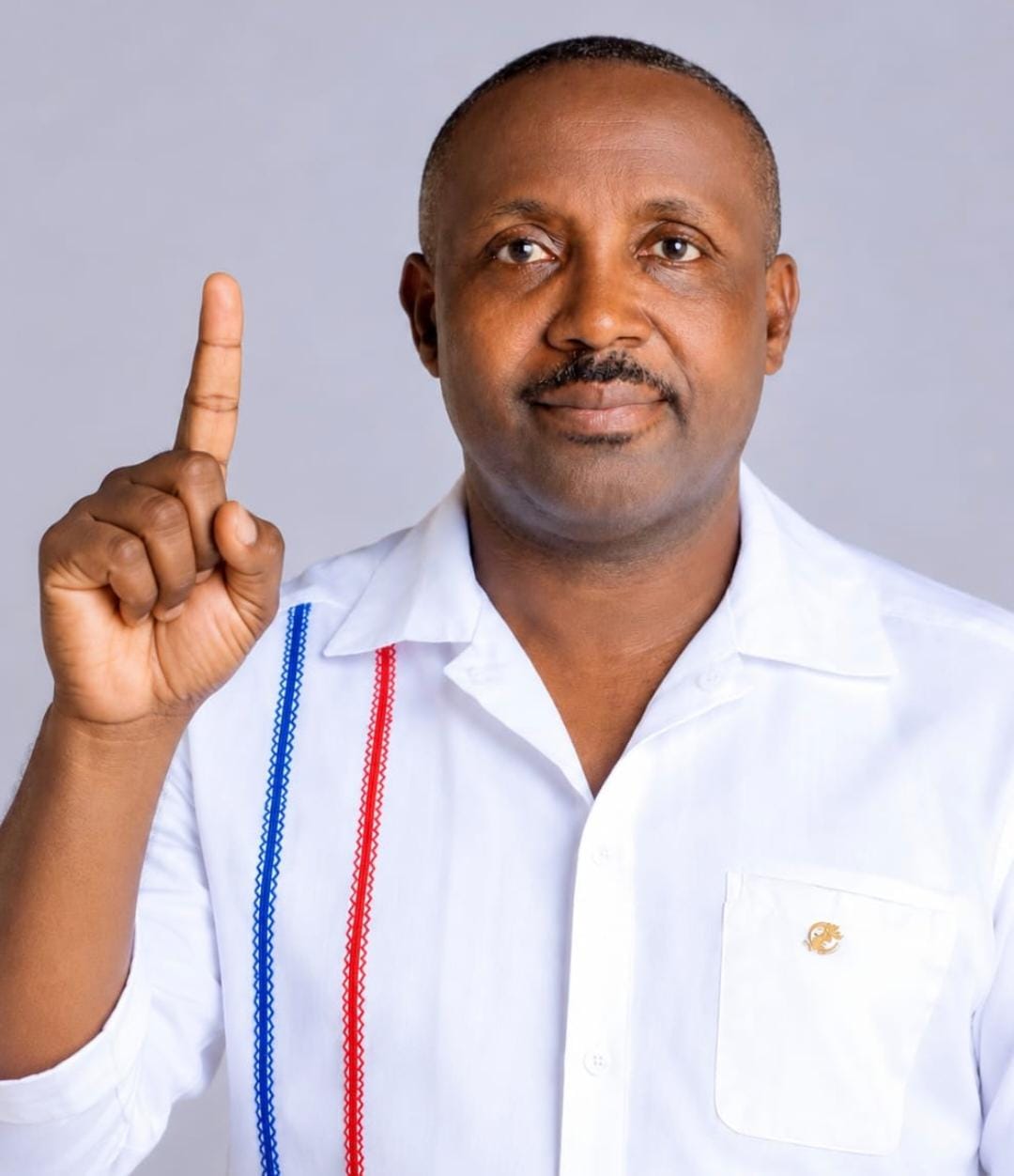
Former NPP National Chairman Paul Afoko will contest from position three, while former Energy Minister Boakye Agyarko occupies position four.
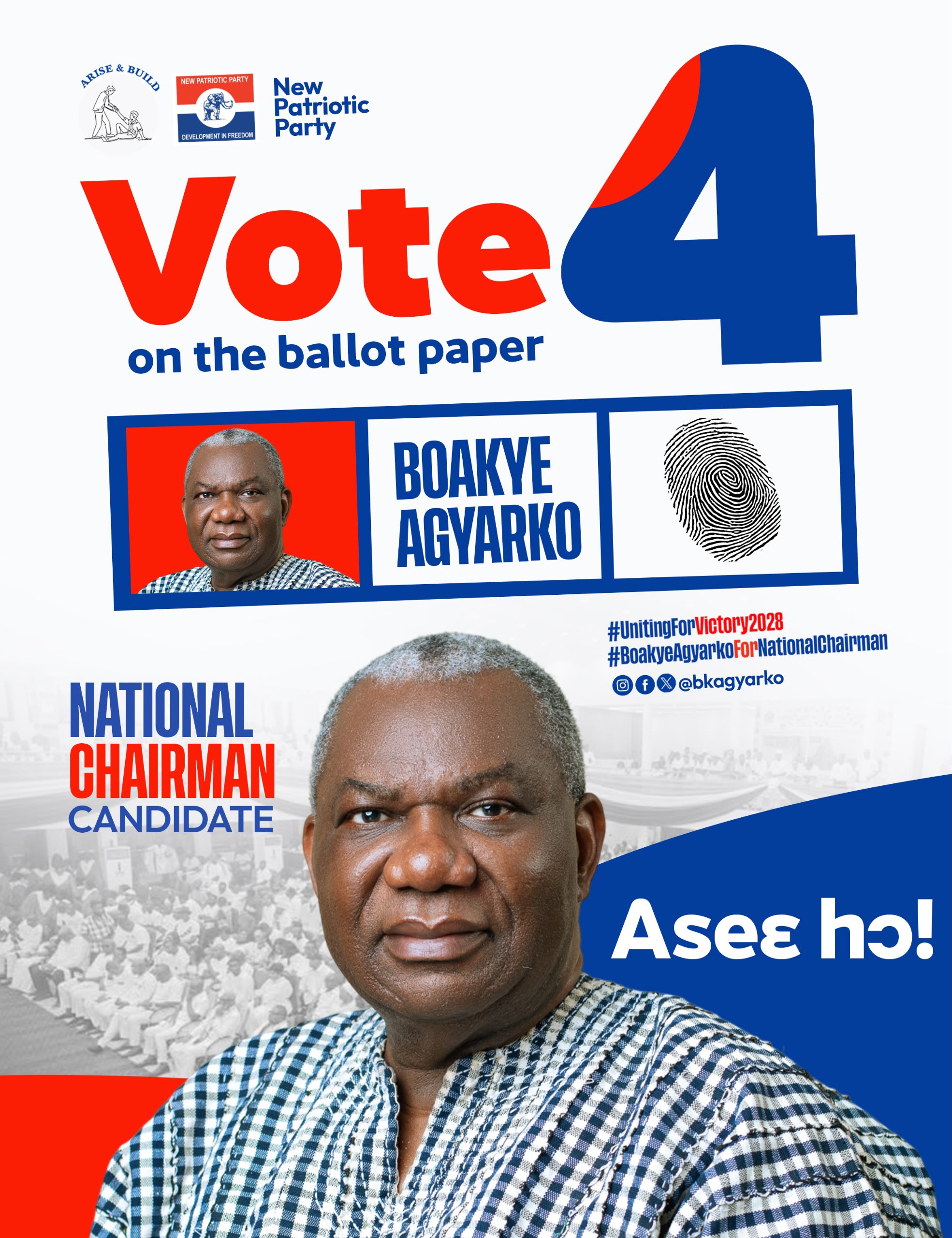
The four-way chairmanship contest is among the most closely watched races in the party’s reorganisation process. The eventual winner will be expected to provide leadership as the NPP seeks to rebuild its structures and reconnect with the grassroots following its defeat in the 2024 general election.
For the position of General Secretary, four candidates have also been placed on the ballot. Sylvester Tetteh takes the first position, followed by Eugene Boakye Antwi, Justin Frimpong Kodua and Dr. Charles Dwamena in positions two, three and four respectively.
The General Secretary position is particularly consequential because of the central role the office plays in coordinating the party’s administrative machinery, regional and constituency structures and preparations for future elections.
The National Treasurer race will feature Hajia Ruka Ahmed, who occupies ballot position one, followed by Alfred Kojo Thompson, Tahiru Moomen and Collins Nuntwiri Nuamah in positions two, three and four.
The Vice Chairperson contest has emerged as one of the most crowded races, with 13 candidates appearing on the ballot. Mustapha Hamid occupies position one, followed by Kojo Bamba, Kwabena Abankwah Yeboah, Richard Ahiagba, Masawood Mohammed, Oti Aboagye, Abena Pokuaah Amoah Boaitey, Obaa Yaa Amponsah Frimpong, Henry Nana Boakye, Horma Akesie Miezah, Sam Pyne, Nana Akomea and Bright Essilfie.
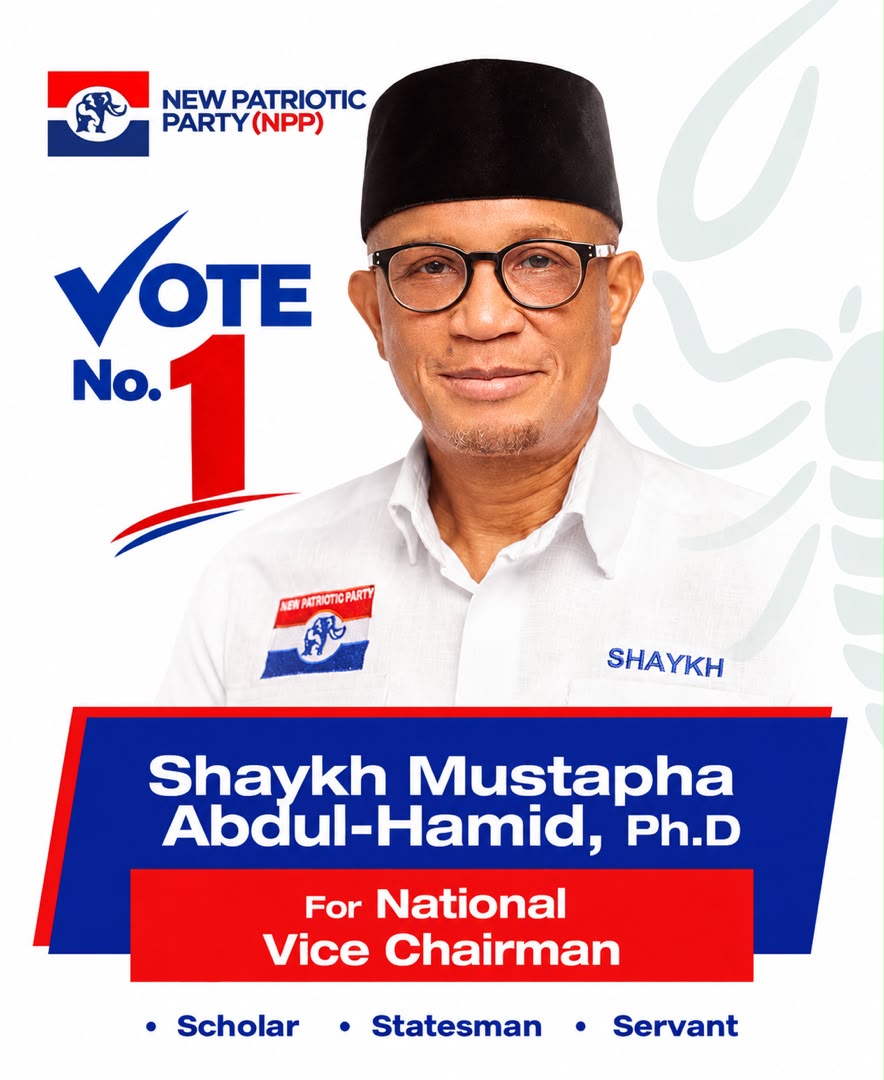
The large field underscores the level of interest in the party’s next national leadership team, with candidates from different backgrounds seeking to influence the direction of the NPP at a time when the party is undergoing internal reorganisation.
The National Organiser election will also be keenly contested, with Ing. Kwame Prempeh taking ballot position one.
He is followed by Agyenim Boateng, Archibald Gamor Korletey, Nana K, Ali Maiga Halidu, Emmanuel Korsi Bordja and Daniel Nii Kwartey Titus Glover.
For the National Youth Organiser position, six candidates have been listed. Alfred Kumi Ababio is number one, followed by Vera Oye Bram, Michael Osei Boateng, Abanga Fuseini, Clement Opoku Gyamfi and Chris Lloyd.
The National Women Organiser race has, by contrast, narrowed to a two-person contest between Hajia Safia Mohammed, who occupies ballot position one, and Mavis Hawa Koomson, who is number two.
The women’s leadership contest will be closely watched as the NPP considers the role of its Women’s Wing in rebuilding the party’s grassroots organisation and mobilising support ahead of the next general election.
The Nasara Coordinator position has five candidates on the ballot. Alhaji Ali Suraj takes position one, followed by Isaka Muazo Kunata, Awal Mohammed, Alhaji Salim Bamba and Razak Tahiru Maiga.
The Nasara Wing remains an important component of the NPP’s organisational structure, particularly in mobilising support among Muslim communities and strengthening the party’s outreach across different sections of the electorate.
The National Communications Officer contest, meanwhile, currently has Dennis Miracles Aboagye listed as the sole candidate, occupying ballot position one.
The balloting marks another stage in the NPP’s preparations for the national executive elections. The party’s previously announced electoral timetable scheduled the national elections for October 3, 2026, following the nomination, filing, vetting and appeals processes.
Under the party’s announced arrangements, the elections are to be conducted under the supervision of the National Elections Committee, with the Electoral Commission of Ghana expected to conduct the actual elections in accordance with the Political Parties Act, 2000 (Act 574).