BY Nadia Ntiamoah
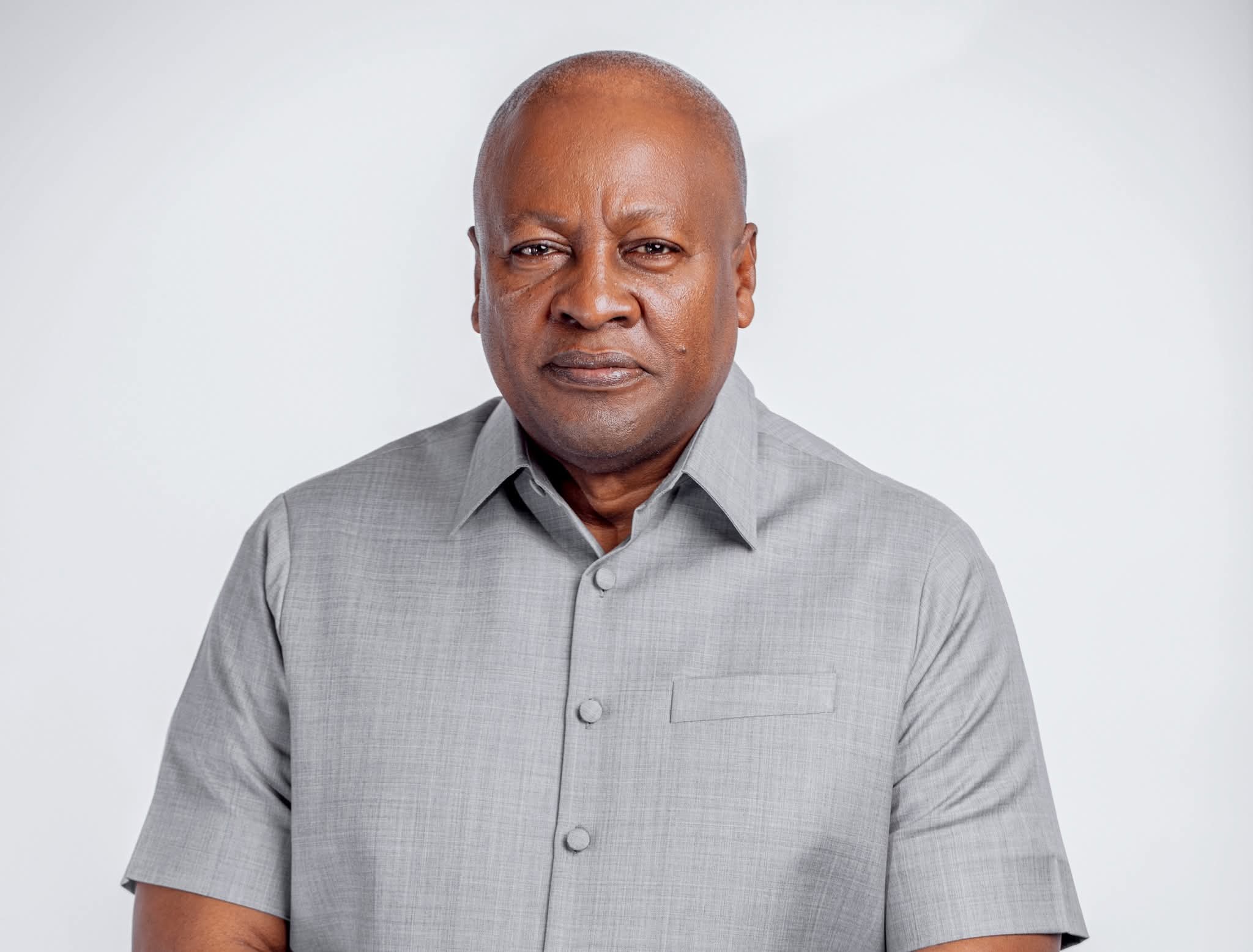
A fresh political controversy has erupted over staffing and expenditure at the Presidency after figures contained in recent budgetary documents triggered a heated debate over the size of the presidential payroll, government spending, and employment creation under the administration of President John Dramani Mahama.
The debate centers on claims that although the number of personnel working under the Office of the President has reduced compared to the previous administration, the compensation budget has increased significantly, raising questions about the distribution of public resources and the government’s commitment to job creation.
Critics of the government argue that the latest figures reveal a contradiction between the National Democratic Congress (NDC)’s campaign promises to reduce public sector waste and create employment opportunities for young people and the current realities within the Presidency.
According to figures being cited by opposition communicators, the Office of the President employed 1,048 people in 2023 under the administration of former President Nana Addo Dankwa Akufo-Addo.
The figures indicate that the number has reduced to 808 in 2025, representing a decline of 240 positions or approximately 23 percent.
However, while staffing numbers have reportedly declined, opposition figures claim that the compensation budget for personnel at the Presidency has increased dramatically.
They point to budget estimates showing that compensation expenditure at the Office of the President stood at approximately GH¢326.9 million under the previous administration but has risen to GH¢2.711 billion under the current government.
The figures have become the basis of a growing political dispute over government expenditure, accountability and employment opportunities for party supporters and young Ghanaians.
Opposition critics argue that the development raises important questions about government priorities at a time when unemployment remains one of the country’s most pressing socio-economic challenges.
They contend that if fewer people are being employed at the Presidency while personnel-related expenditure continues to rise significantly, the public deserves an explanation regarding how the funds are being utilized.
The issue has also reignited debate about the NDC’s campaign promises ahead of the 2024 general election.
During the campaign period, the party repeatedly criticized what it described as excessive government spending and pledged to reduce waste while creating more opportunities for young people.
Critics now argue that the latest figures appear inconsistent with those commitments and have accused the government of benefiting a small group of political and professional elites rather than ordinary party supporters and unemployed youth.
Some have further alleged that highly paid professionals, including lawyers and consultants, have been attached to ministries, departments and agencies while their compensation is being charged to the budget of the Presidency. But their names were conspicuously left out of the list of the Office of the President staff.
According to these critics, such arrangements may partly explain the sharp increase in compensation expenditure despite the reduction in overall staff numbers.
The claims have generated considerable discussion among political activists, particularly within the NDC’s grassroots base, where some supporters have expressed concerns about employment opportunities following the party’s return to power.
However, government communicators have strongly rejected suggestions that the Presidency has become bloated or that the figures are being accurately interpreted.
Responding to the allegations, Minister for Government Communications Felix Kwakye Ofosu dismissed the criticism and accused opponents of deliberately misrepresenting the data for political purposes.
According to him, there are currently 233 political appointees at the Presidency, while the remaining 575 individuals are career civil servants who have been seconded to the Office of the President and are not political appointments made by President Mahama.
Kwakye Ofosu further argued that comparisons with the previous administration actually show a reduction in political appointments.
He stated that under the Akufo-Addo administration, the Presidency had 361 political appointees in addition to 687 civil servants, resulting in significantly higher numbers than those currently serving at the seat of government.
His response has added a new dimension to the debate, shifting attention from overall staffing numbers to the distinction between political appointees and career public servants assigned to support the operations of the Presidency.
The controversy has also revived references to past criticisms made by current government officials when they were in opposition.
Political opponents have circulated previous public comments made by Felix Kwakye Ofosu in 2018, when he criticized the Akufo-Addo administration over the size of presidential staff and questioned the justification for maintaining what was then described as nearly 1,000 personnel at the Presidency.
Those comments are now being cited by critics who argue that government officials are applying different standards now that they are in office.
The debate comes at a time when youth unemployment remains a major national concern despite signs of economic stabilization and renewed growth projections.
Successive governments have faced pressure to create sustainable employment opportunities for the country’s growing youthful population, particularly graduates entering the labour market each year.