By Grace Zigah
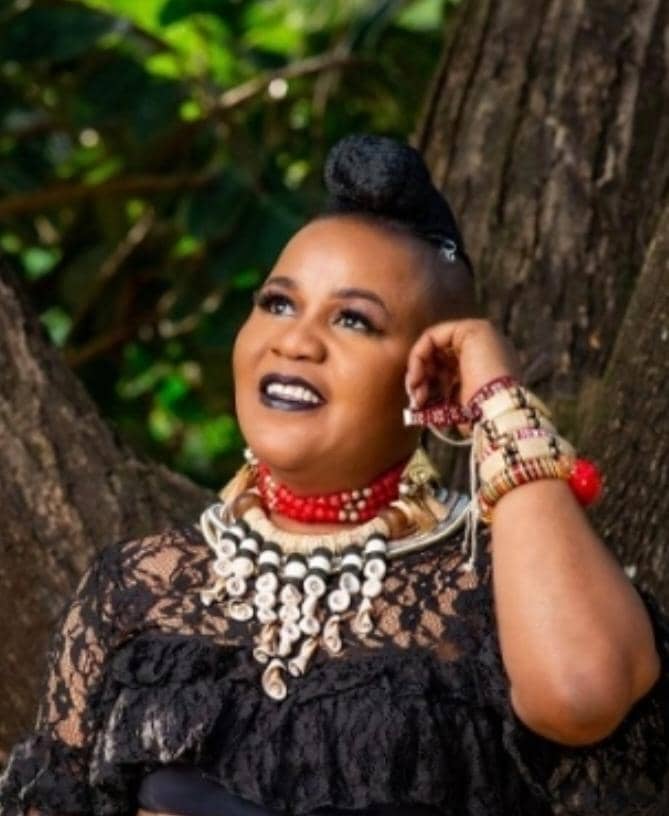
Veteran Ghanaian singer Sherifa Gunu has expressed deep concerns over the growing influence of social media, particularly TikTok, on the music industry, warning that it is gradually distorting the values and artistry of Ghanaian musicians.
In an interview recently, she lamented that the platform, though powerful for outreach, is increasingly pushing female artistes toward nudity as a shortcut to fame, overshadowing real musical talent.
“Social media is a blessing and a curse. You could be the most talented artiste, but if you’re not half-naked on TikTok, people won’t pay attention,” Sherifa said bluntly, highlighting the shifting focus from vocal ability and creativity to physical exposure and trends.
She noted that many young female artistes feel compelled to adopt provocative appearances online to gain views and relevance, often at the expense of artistic integrity.
Sherifa Gunu, known for her unique fusion of traditional Ghanaian music with contemporary Afro-pop, has built a career on authenticity and powerful live performances.
Over the years, she has represented Ghana on international stages, advocating for cultural pride and the importance of preserving indigenous sounds.
Now, she says she uses her own social media platforms to counterbalance the negative trend by showcasing authentic music and reminding fans of what true artistry looks like.
Beyond the challenges facing today’s female artistes, Sherifa also touched on a broader issue affecting the creative sector—Ghana’s treatment of its music legends.
According to her, the country often fails to properly honour veteran musicians who laid the foundation for today’s vibrant music scene.
“Our industry doesn’t respect legends,” she asserted, noting that many pioneering artistes receive recognition only after they pass away or gain international acclaim.
She urged for a cultural shift that places value on the contributions of seasoned musicians while they are still alive.
In Ghana, this sentiment is not new. Over the years, several influential musicians—such as Nana Ampadu, Jewel Ackah, and C.K. Mann—have posthumously received state attention despite living their final years in relative obscurity.
Sherifa believes it’s time for a deliberate effort to celebrate such figures, support their wellbeing, and archive their work for future generations.
The singer’s commentary adds to a growing discourse on how modern digital trends, though beneficial for exposure and fan engagement, risk sidelining traditional values, cultural substance, and artistic depth.