BY Daniel Bampoe
President John Mahama is facing backlash from some members of the Muslim clergy over what they describe as a glaring contradiction between his campaign rhetoric and current governance, particularly about appointments to the judiciary.
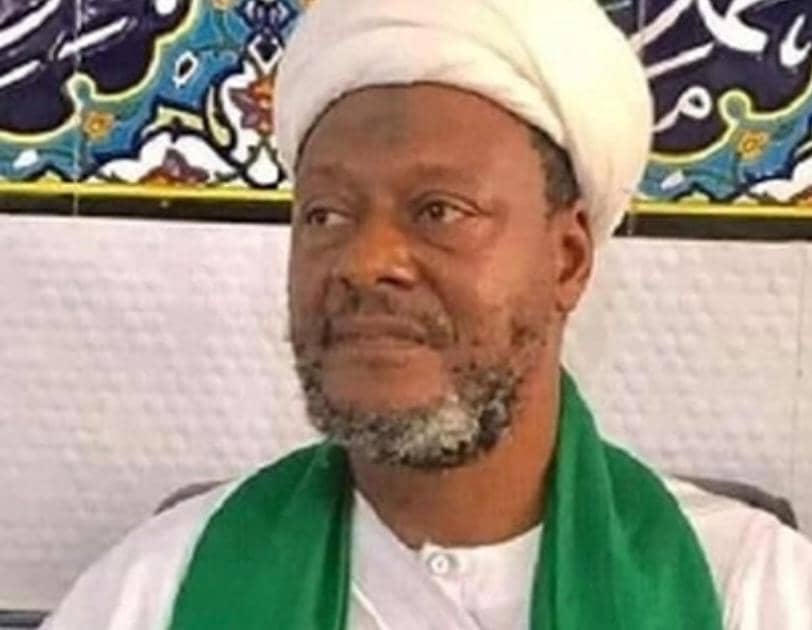
At the Muslim National Thanksgiving Day held in Accra on Tuesday, July 1, the National Imam of the Shia Muslim community, Sheikh Abubakar Kamaldeen, publicly called out President Mahama for what he described as political interference in the judiciary.
In a bold address delivered in the presence of the President, Sheikh Kamaldeen criticized the Mahama administration for appointing seven new Supreme Court justices within a span of six months, despite having previously advocated for capping the number of judges on the bench.
“Barely a year ago, the NDC was strongly pushing for a constitutional amendment to place a cap on Supreme Court appointments,” Sheikh Kamaldeen said.
“Now, within just six months of returning to office, President Mahama has appointed seven new justices. What message does this send to the public?”
The Shia cleric’s remarks resonated with growing public unease about the perceived politicization of Ghana’s judiciary.
His comments also referenced a broader concern that judicial appointments are being used to consolidate political power rather than uphold the independence of the third arm of government.
“This level of inconsistency undermines public trust,” the Imam warned.
“Many Ghanaians no longer believe in the neutrality of the judiciary because of political manipulation. Our democracy is at risk when the courts are seen as extensions of the executive or political parties.”
He further urged the President and all political actors to respect the autonomy of the judiciary and refrain from using their powers to interfere in legal processes.
“We ask Allah to guide our leaders and change their hearts. The executive must stop manipulating the courts. The judiciary should be allowed to do its work independently.”
Sheikh Kamaldeen’s comments have ignited political debate, with some civil society groups and opposition figures echoing the Imam’s concerns.
Critics argue that while the constitution permits the president to appoint justices upon the advice of the Judicial Council and in consultation with the Council of State, the sheer volume and speed of appointments under Mahama’s administration raise red flags.
The Presidency has yet to issue a response to the Imam’s remarks. However, sources within government circles suggest that the appointments were necessary to fill pending vacancies and improve the delivery of justice, especially with an increasing caseload at the apex court.
This is not the first time President Mahama has faced scrutiny over judicial matters.
His controversial suspension of Chief Justice Gertrude Torkornoo earlier this year stirred accusations of executive overreach, drawing criticism from legal experts, opposition parties, and international observers.