–By Nadia Ntiamoah
In a strongly-worded judgment that may reshape the balance of power between Ghana’s executive and judicial branches, a Supreme Court of Justice has issued a ruling reaffirming constitutional protections for the judiciary, delivering a sharp critique of President John Dramani Mahama’s decision to suspend Chief Justice Gertrude Torkornoo.
The ruling came in the landmark case Vincent Ekow Assafuah v. Attorney General, in which the apex court upheld the sanctity of judicial independence and denounced what it described as a reckless undermining of due process.
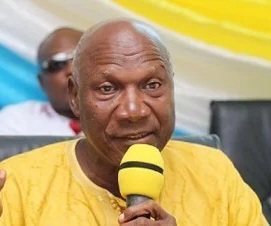
The court’s 3-2 majority decision spanned 81 pages, but it was a statement by Justice Professor Henrietta Mensa-Bonsu on page 76 that captured public and legal attention.
Drawing a vivid analogy, she warned of the dangers of trivializing the removal of the Chief Justice:
“How can the judiciary guarantee everyone’s constitutional right to fair treatment, if it cannot enjoy any such right when allegations of impropriety are made against the head of that institution itself? The people of Ghana would certainly be the poorer for having a judiciary that cannot protect them against the overweening power of the executive”
“Another class of citizens on whom there would be hardship is the class of persons who have made the decision to serve the country in the role of judges. Perhaps, they may be forced to re-think their options and career choices if removing the head of the institution is no more difficult than removing a class prefect of a school from office.”
Background:
The controversy began earlier this year when President Mahama, citing anonymous petitions and unproven allegations, unilaterally suspended Chief Justice Gertrude Torkornoo.
The move triggered outrage among civil society organizations, legal practitioners, and political observers, many of whom saw it as an unprecedented intrusion by the executive into the affairs of the judiciary.
Opposition parties and the Ghana Bar Association described the action as unconstitutional and dangerous for democratic governance.
Vincent Ekow Assafuah, a Member of Parliament and a legal practitioner, filed a suit at the Supreme Court challenging the legality of the President’s decision.
He argued that the Chief Justice could only be removed through a process clearly outlined in Article 146 of the 1992 Constitution, which mandates an independent inquiry and recommendations by a judicial council—not a presidential fiat.
Court’s Decision:
The Supreme Court concurred with Assafuah’s arguments, affirming that the President’s action lacked constitutional backing.
The justices noted that while allegations against a sitting Chief Justice must be investigated if credible, the process must respect the institutional integrity and independence of the judiciary.
The court warned against the growing trend of executive interference under the current administration.
The ruling not only nullifies the suspension but reestablishes Chief Justice Torkornoo’s position and authority, making it clear that any future attempts to remove a judicial leader must follow due constitutional process.
Political Implications:
The ruling has sparked renewed debate about the rule of law and the role of the judiciary under the Mahama-led National Democratic Congress (NDC) administration.
Critics argue that the suspension was politically motivated and reflective of broader tendencies toward centralizing power within the executive.
The phrase “removing a Chief Justice like a class prefect” has since become a rallying cry among defenders of judicial independence and a searing indictment of the Mahama administration’s approach to constitutional governance.