BY Nadia Ntiamoah
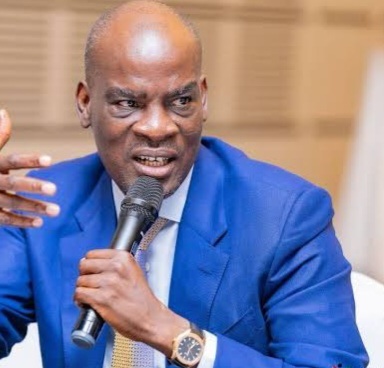
The Municipal Chief Executive (MCE) for Tano North, Pius Opoku, has issued a strong legal warning to a senior local executive of the National Democratic Congress (NDC) following allegations linking him to illegal mining activities, popularly known as galamsey.
The threat of court action underscores the growing sensitivity around illegal mining accusations and the political undercurrents shaping the debate in mining-prone communities.
The controversy stems from a Facebook post made on January 7, 2026, in which Zakaria Enusah, identified as the Tano North Constituency Organizer of the NDC and a polling station chairman, allegedly commented on a post by one Magotey Godwin, asserting that it was “true” that the MCE was involved in galamsey operations in the municipality.
The claim quickly circulated on social media, drawing public attention and sparking heated local discussions.
Within 24 hours, the MCE, through his lawyers, Enso Nyame Ye Chambers in Sunyani, responded with a formal demand letter dated January 8, 2026. Signed by legal practitioner Felix Akosah Yeboah, the letter describes the allegation as “knowingly, recklessly, and maliciously” made, insisting it is entirely false and without factual basis.
According to the lawyers, the publication amounts to defamation and has caused serious reputational harm to the MCE, who they say has consistently carried out his official duties in line with Ghanaian law.
The legal team argues that the social media comment has exposed their client to public ridicule and contempt, particularly at a time when government officials are under intense scrutiny over the fight against illegal mining.
Galamsey has remained a major national concern for over a decade, prompting successive governments to launch military-style task forces, revoke mining licenses, and prosecute offenders.
Allegations against public officials, therefore, carry significant political and legal weight.
In the letter addressed directly to Enusah, the lawyers issued an ultimatum: an immediate and unconditional retraction of the statement and a public, written, and unreserved apology.
The apology, they insist, must clearly admit that the allegation was false, misleading, and unsupported by evidence, and must be published with equal prominence on the same Facebook platform used to spread the claim.
A seven-day deadline was set for full compliance.
Failure to meet these demands, the letter warns, will trigger civil action for general, aggravated, and exemplary damages.
Beyond civil liability, the MCE’s lawyers also indicated they would advise their client to file a formal complaint with the Ghana Police Service to initiate criminal proceedings for the publication of false information, should the alleged defamation persist.