BY Daniel Bampoe
The legal and political storm surrounding the removal of Chief Justice Gertrude Araba Esaaba Sackey Torkornoo has deepened, as she has officially filed a judicial review application challenging her dismissal by President John Dramani Mahama.
Justice Torkornoo, who until September 1, 2025, served as Ghana’s Chief Justice, was stripped of both her position as head of the judiciary and her seat as a Justice of the Supreme Court following recommendations from a Committee of Inquiry established under Article 146 of the 1992 Constitution.
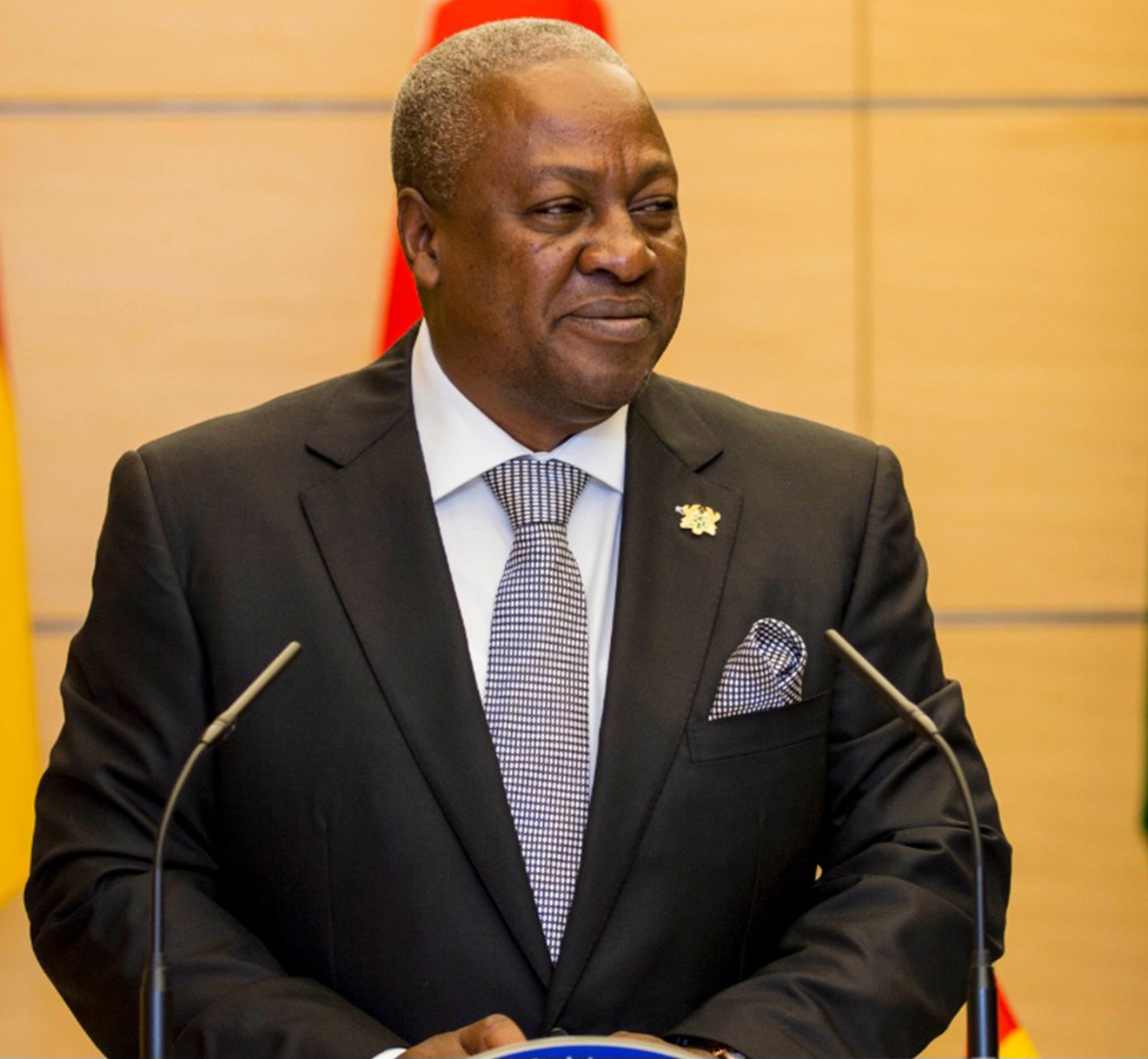
President Mahama, citing the committee’s findings, issued a warrant of removal that has since sparked heated debate over executive influence and constitutional procedure.
The Core of the Legal Challenge
In her suit before the High Court, Justice Torkornoo argues that the President acted outside the confines of the Constitution.
She contends that while the petition and subsequent inquiry focused on her role as Chief Justice, President Mahama’s warrant extended beyond that remit to unlawfully terminate her position as a Justice of the Supreme Court.
Her lawyers maintain that the two positions, though related, have distinct constitutional procedures for removal.
Accordingly, she is seeking an order of certiorari to quash the presidential directive, describing it as “unlawful, null and void.”
She further prays the court to declare that the President has no authority to remove her as a Justice of the Superior Courts unless due process, as laid down under Article 146, is strictly followed.
Background
The controversy traces back to a petition filed by a private citizen, Daniel Ofori, which alleged misconduct on the part of the Chief Justice.
Acting in line with constitutional provisions, President Mahama referred the petition to the Council of State, after which a Committee of Inquiry was established under Article 146(6) to investigate the claims.
The Committee eventually recommended her removal. On September 1, 2025, President Mahama issued a warrant dismissing her from both her office as Chief Justice and as a Justice of the Supreme Court.
This decision has been widely criticized. Opposition parties, sections of the Ghana Bar Association, and civil society organizations argue that the removal process breached constitutional safeguards, setting a dangerous precedent for judicial independence in Ghana.
Earlier Courtroom Drama
This is not Justice Torkornoo’s first legal pushback. In June 2025, she had already filed a judicial review at the High Court challenging the legitimacy of the petition that triggered her removal.
Her legal team argued that the petition was “fundamentally flawed,” claiming the petitioners were not properly recognized entity.
In a dramatic twist earlier this month, her counsel attempted to orally withdraw that challenge during virtual proceedings.
But the High Court, presided over by Justice Eugene Nyadu Nyantei, rejected the move, insisting that formal procedures must be followed for a withdrawal.
The case was subsequently adjourned indefinitely.
Wider Implications for Governance
The saga has become more than a personal battle for Justice Torkornoo; it has evolved into a national test of Ghana’s constitutional order.
Critics fear that executive overreach could compromise judicial independence, while government defenders insist President Mahama acted strictly within the law.
International attention has also been drawn to the matter. Justice Torkornoo has lodged a separate complaint with the ECOWAS Community Court of Justice, seeking reinstatement and the restoration of her full entitlements.
The regional court’s eventual ruling is expected to have far-reaching consequences for the balance of power between the executive and judiciary across West Africa.