BY NADIA NTIAMOAH
The 2027 Africa Cup of Nations (AFCON) could be moved from its scheduled June–July window to the Christmas and New Year period amid growing concerns over delays in infrastructure development and preparations in co-hosts Kenya, Uganda and Tanzania.
The Confederation of African Football (CAF) has continued to publicly insist that the continent’s flagship football tournament will take place in the three East African countries from June 19 to July 17, 2027.
However, reports of behind-the-scenes discussions about alternative arrangements have raised questions about whether the hosts can meet the required standards within the remaining preparation period.
With less than 10 months to the scheduled opening, concerns are reportedly mounting over the pace of stadium construction, supporting infrastructure and organisational preparations in the three countries, collectively known as the “Pamoja” hosts.
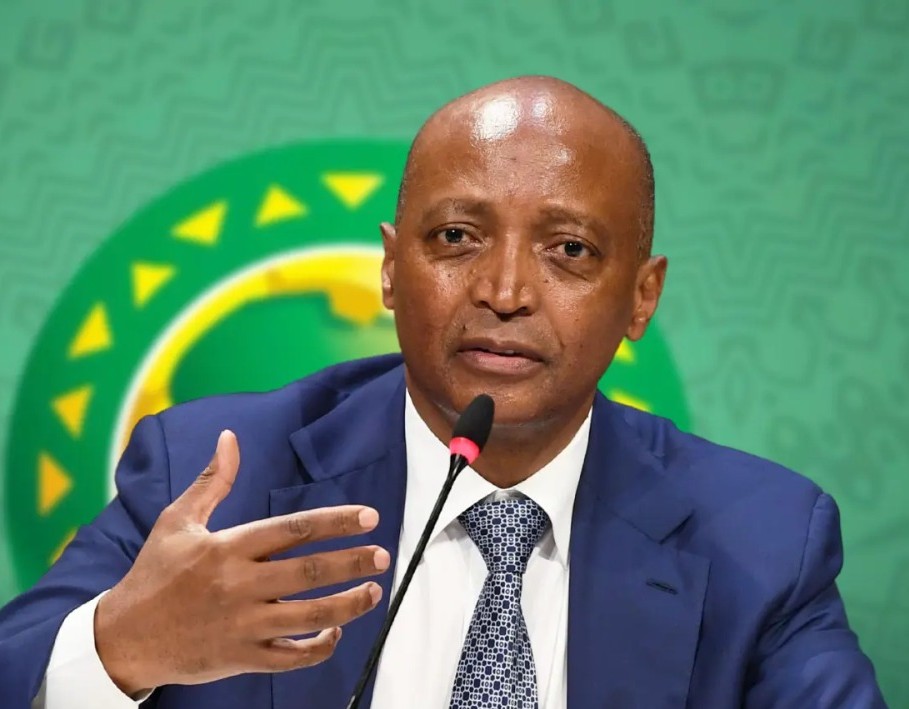
CAF President Patrice Motsepe has repeatedly expressed confidence in the joint hosting arrangement, insisting that the tournament will be staged in East Africa as planned.
Speaking at a strategic conference in Cape Verde, Motsepe reiterated his commitment to the three countries, declaring: “We will go to Kenya, Tanzania and Uganda.”
He also promised that the 2027 edition would be “the most successful Africa Cup of Nations”.
Despite those public assurances, reports suggest that the continental governing body is assessing the risks associated with the slow pace of preparations and considering contingency arrangements should the current hosts fail to satisfy the necessary requirements.
According to French newspaper Le Monde, CAF has sounded out five countries that could potentially step in to host the tournament at short notice if Kenya, Uganda and Tanzania are unable to deliver the required facilities and arrangements.
The countries reportedly approached are Morocco, Algeria, Côte d’Ivoire, South Africa and Egypt.
All five have experience hosting major African football competitions, making them possible alternatives should CAF decide that a change of venue is necessary.
Morocco hosted the 2025 Africa Cup of Nations, while Côte d’Ivoire staged the 2023 edition, which was played in early 2024. Egypt and South Africa have also hosted previous editions of the continental championship.
However, the reported consultations do not necessarily mean CAF has decided to withdraw hosting rights from the East African countries. Rather, they suggest that contingency planning may be under consideration as the governing body seeks to protect the successful organisation of the tournament.
Apart from the possibility of alternative hosts, CAF officials have reportedly discussed postponing the tournament until the Christmas and New Year period.
According to The Guardian, moving the competition to the end of 2027 is among the options being considered as preparations continue to fall behind schedule.
Such a change would give the three host nations additional time to complete stadium projects, improve supporting facilities and address organisational challenges before the arrival of participating teams and supporters.
The proposed shift would also mean that the tournament would no longer take place within its currently announced June 19–July 17 window.
The previous Africa Cup of Nations was also played across December and January, demonstrating that the competition can be staged outside the traditional mid-year period. Nevertheless, a change to the 2027 schedule would require CAF to formally revise its existing plans and communicate the decision to participating national associations and other stakeholders.
Speaking shortly before the start of the qualifying campaign, the CAF president admitted that the situation required urgent attention, saying: “There was a situation of great urgency, nine months before the Africa Cup of Nations.”
The remarks highlighted the pressure facing the organisers as they work to ensure that the three countries are ready to accommodate Africa’s leading national teams.
Hosting an AFCON tournament requires more than stadiums capable of staging matches. The host countries must also provide suitable training facilities, accommodation, transportation, security, medical services, media infrastructure and other logistical arrangements necessary for a major international sporting event.
Because the 2027 competition will be jointly hosted by three countries, coordination among the governments, football authorities and organising bodies will be particularly important.
Any delays in stadium construction or supporting infrastructure could therefore affect not only individual venues but also the wider tournament schedule and movement of teams and officials between host cities.