By Issah Olegor
The World Health Organisation (WHO) has raised concern over the prevalence of suicidal thoughts and attempts in Ghana, with new data indicating that 3.8% of Ghanaian adults have considered suicide while 2.3% have attempted to take their own lives.
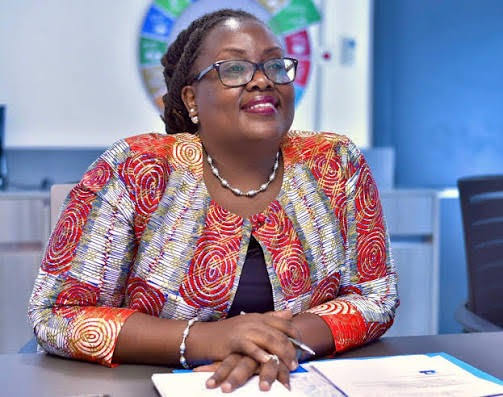
The figures were disclosed by the WHO Country Representative to Ghana, Dr Fiona Braka, in Accra during the launch of activities marking the 2026 World Suicide Prevention Day.
The findings have renewed calls for stronger suicide prevention measures, particularly for young people and other vulnerable groups who may face heightened emotional, social or psychological pressures.
According to Dr Braka, the figures demonstrate the need for Ghana to intensify efforts to identify people at risk, strengthen support systems and ensure that individuals experiencing suicidal thoughts can access appropriate care before their situations escalate.
Young People Among Groups of Concern
Dr Braka said findings from the 2023 Ghana STEPS Survey further indicate that suicidal thoughts are common among young people.
She said the findings should serve as a warning to stakeholders and reinforce the need for targeted interventions designed specifically to address the circumstances that may place young people at risk.
The WHO representative stressed that suicide does not affect only the individual involved but creates consequences that can extend to families, friends, workplaces and entire communities.
“Every suicide is a tragedy that has profound social, emotional, and economic consequences for families, for friends, for workplaces, and for communities. In Ghana, the recent evidence highlights the need for continued action,” she said.
The WHO therefore wants suicide prevention to be treated as a continuing public health priority rather than an issue that receives attention only after a tragedy has occurred.
Ghana’s Shift From Punishment to Care
Dr Braka also commended the government and Parliament for the decision in March 2023 to decriminalise attempted suicide, describing the reform as an important development in the country’s approach to suicide and suicidal behaviour.
Before the reform, people who attempted suicide could face criminal consequences, an approach that critics argued could discourage vulnerable individuals from seeking help.
The WHO representative said the decriminalisation represented a shift away from punishment and towards care, compassion and protection.
“This important reform marked a significant shift from punishment to care and compassion, recognising that suicide and suicidal behavior are public health and mental health concerns that require support, treatment, and protection of human dignity,” she said.
The change, she suggested, creates greater scope for people experiencing suicidal crises to be treated as individuals in need of assistance rather than primarily as offenders.