By Daniel Bampoe
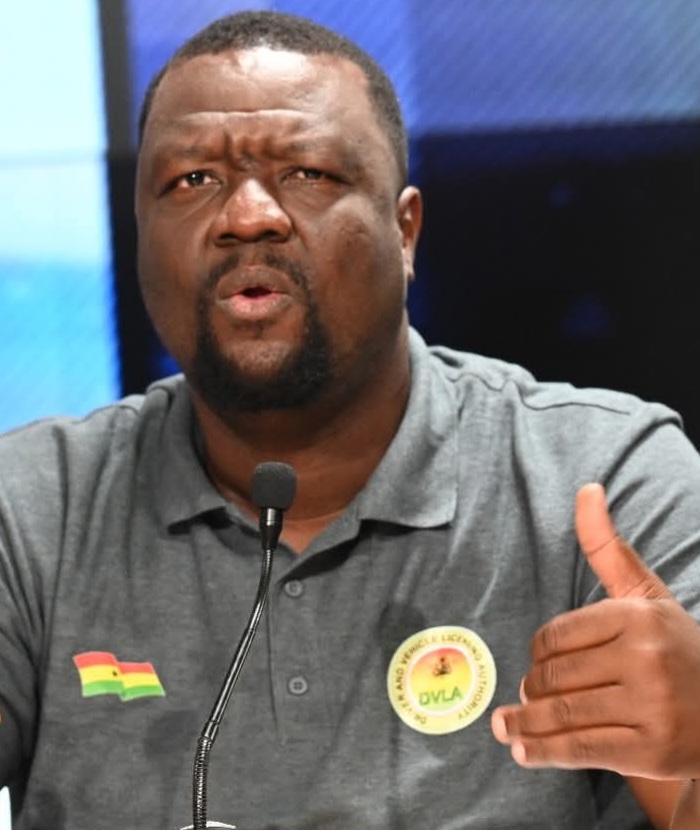
The Chief Executive Officer of the Driver and Vehicle Licensing Authority (DVLA), Julius Neequaye Kotey, has been invited by the Office of the Special Prosecutor (OSP) to assist in investigations into an alleged GH¢4 million bribe attempt meant to halt the rollout of the new Digitalised Vehicle Registration Plate (DP) policy.
Julius Kotey, who has in recent months spearheaded major reforms within the DVLA, made the explosive claim during a media interview this week, revealing that powerful interests attempted to bribe him to abandon the digital registration project.
The OSP has since taken up the matter, confirming that it is “seeking further information” from the DVLA boss to verify the allegation and identify the individuals behind the attempted bribery.
The Special Prosecutor’s intervention marks a significant escalation in what has become one of the most talked-about corruption-related claims in the public sector this year.
According to OSP insiders, Kotey is expected to appear before investigators this week to provide a formal statement and evidence supporting his public assertions.
The Special Prosecutor’s office is already handling several high-profile cases, including an ongoing probe into a sitting member of the Council of State over alleged corruption and conflict of interest in a gold licensing deal.
The Reforms
At the heart of the current controversy is the DVLA’s Digitalised Vehicle Registration Plate (DP) initiative, part of a broader reform plan to modernize the vehicle identification system and combat registration-related fraud.
In August 2025, Kotey announced that the new system would be rolled out nationwide beginning January 1, 2026, introducing new number plates and enhanced tracking technology.
The reforms, he said, were designed to create full traceability of vehicles from the port into the country’s transport ecosystem, thereby reducing vehicle theft, identity manipulation, and the use of fake number plates.
Under the system, Dealer’s Permit (DP) stickers carry scannable QR codes that reveal key details, including the car owner’s name, date of importation, destination, and validity period.
The innovation was hailed by transport experts and security analysts as a major leap toward accountability and safety on the roads.
Kotey, in explaining the system, said it was “wrong to have cars in the system without knowing their owners,” adding that the new process would ensure vehicles are properly tracked right from the port of entry.
Resistance and Alleged Bribe Attempt
However, sources within the DVLA and the automotive industry have hinted that the initiative faced stiff resistance from some well-connected individuals and groups allegedly benefitting from loopholes in the old system.
According to Kotey’s account, it was during this period of resistance that he was approached with an offer of GH¢4 million to abandon or delay the implementation of the DP system.
He claimed he outrightly rejected the bribe, describing it as an attempt to derail a policy meant to protect the public interest.