By Grace Zigah
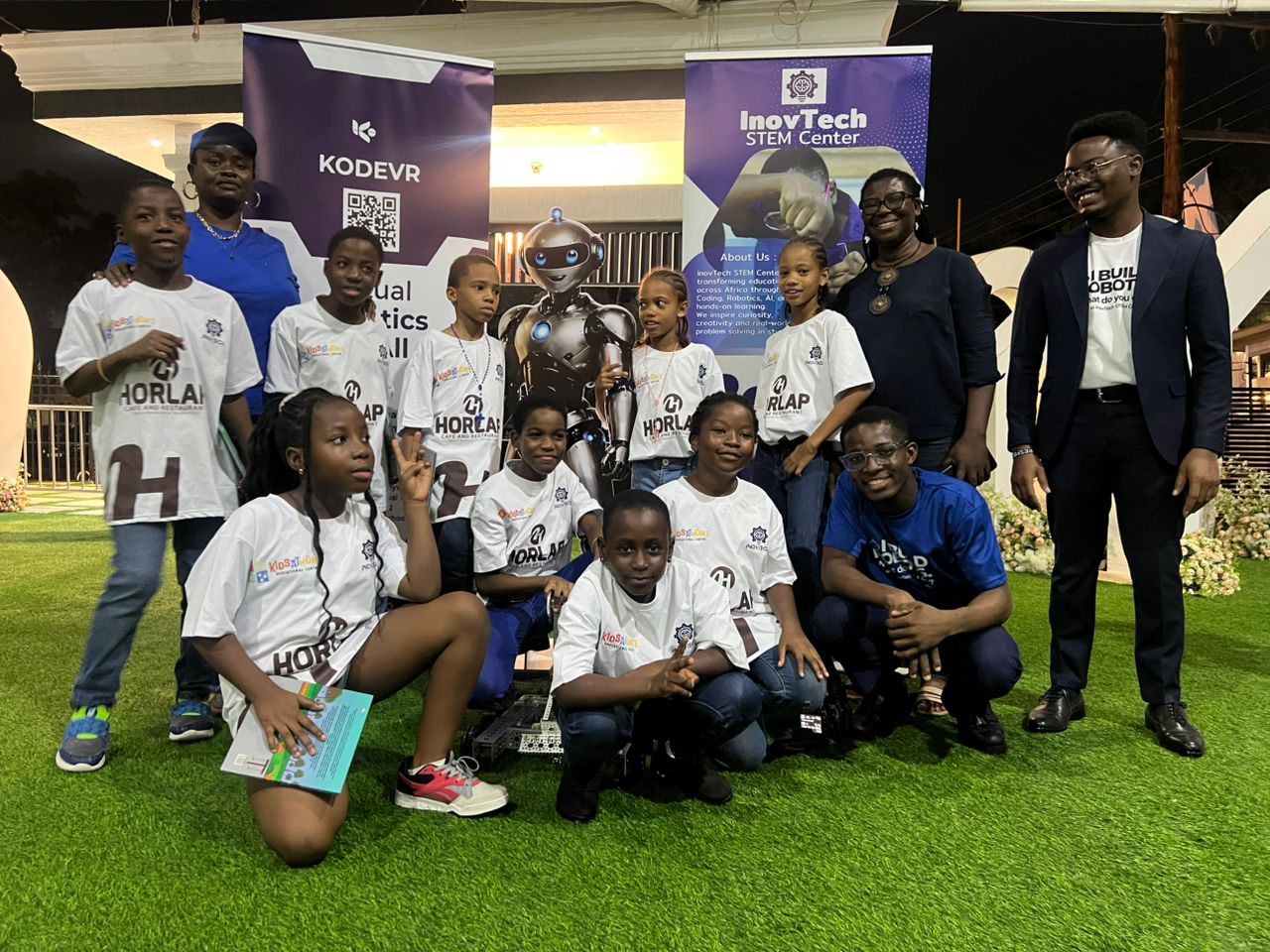
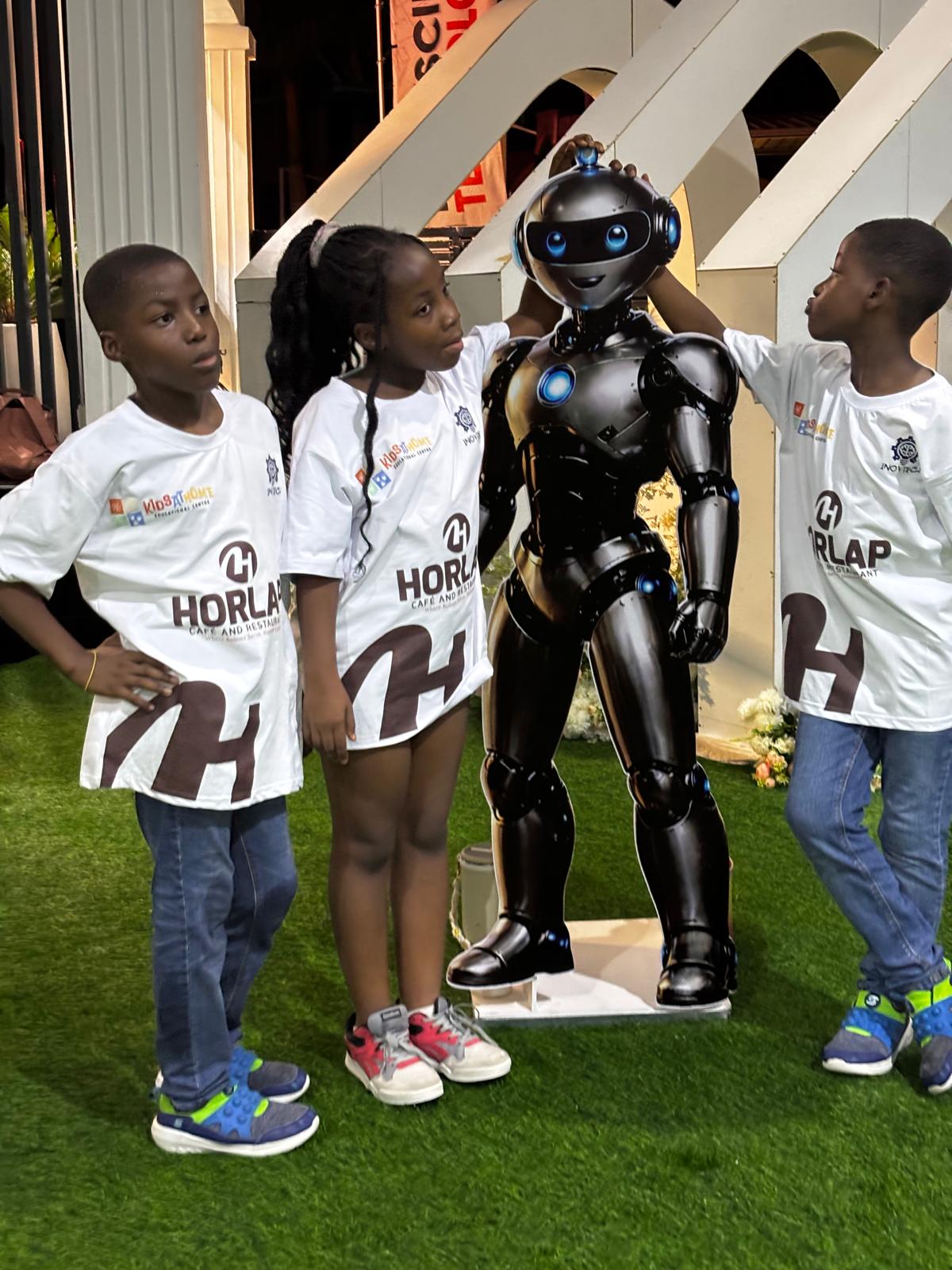
The youth innovation took center stage on Valentine’s Day as students of InovTech STEM Center showcased their robotics and artificial intelligence projects at the launch of Horlap Cafe & Restaurant, the country’s first fully robotic dining experience, at the Underbridge, East Legon.
The event marked a historic moment in Ghana’s hospitality and technology sectors. Horlap Cafe & Restaurant introduced AI-driven robotic servers and interactive touch-screen ordering systems, combining culinary services with advanced automation — a first for the nation.

The launch attracted tech enthusiasts, investors, and industry leaders eager to witness the intersection of innovation and entrepreneurship in the local market.
Students as Innovators
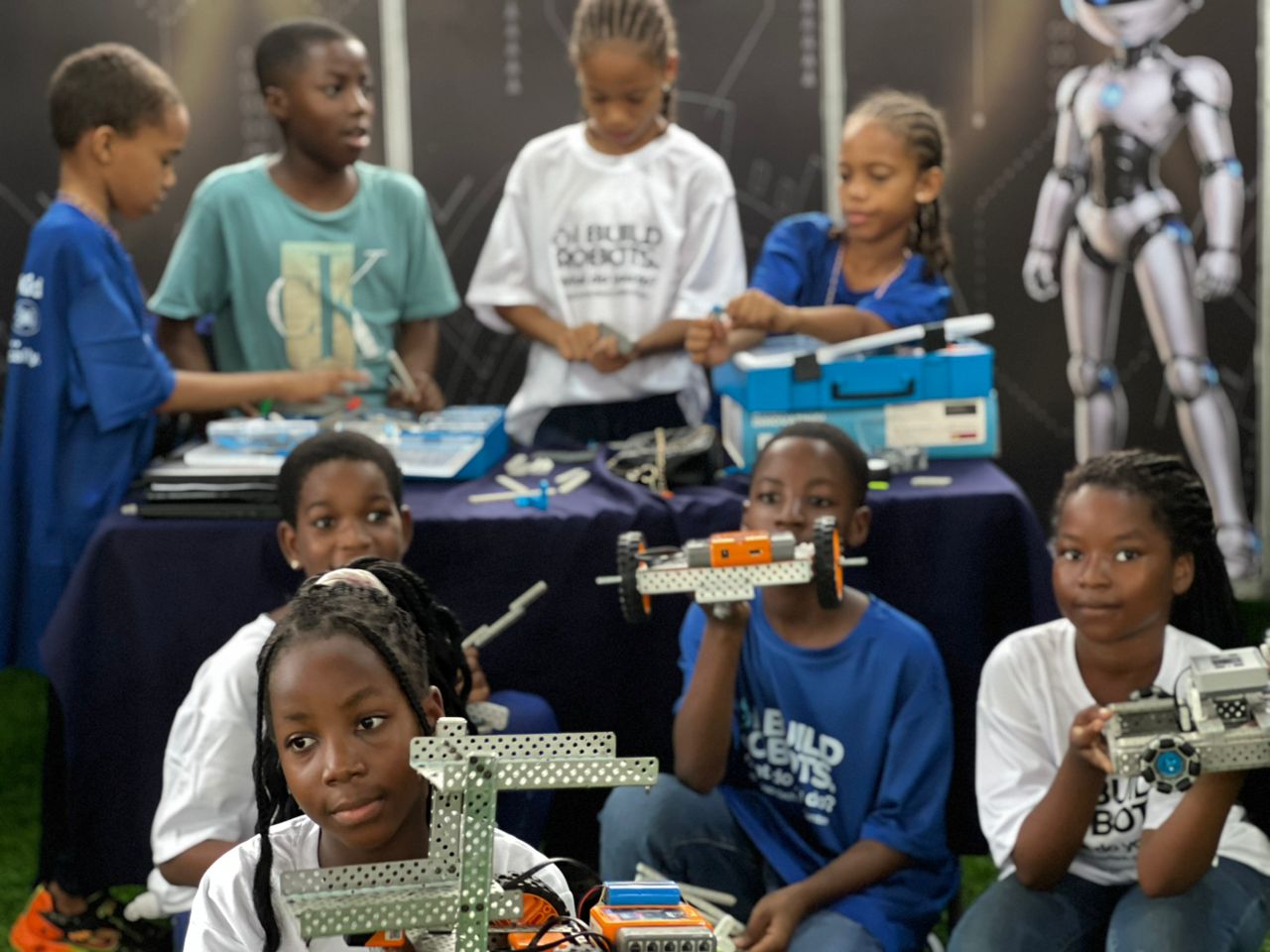
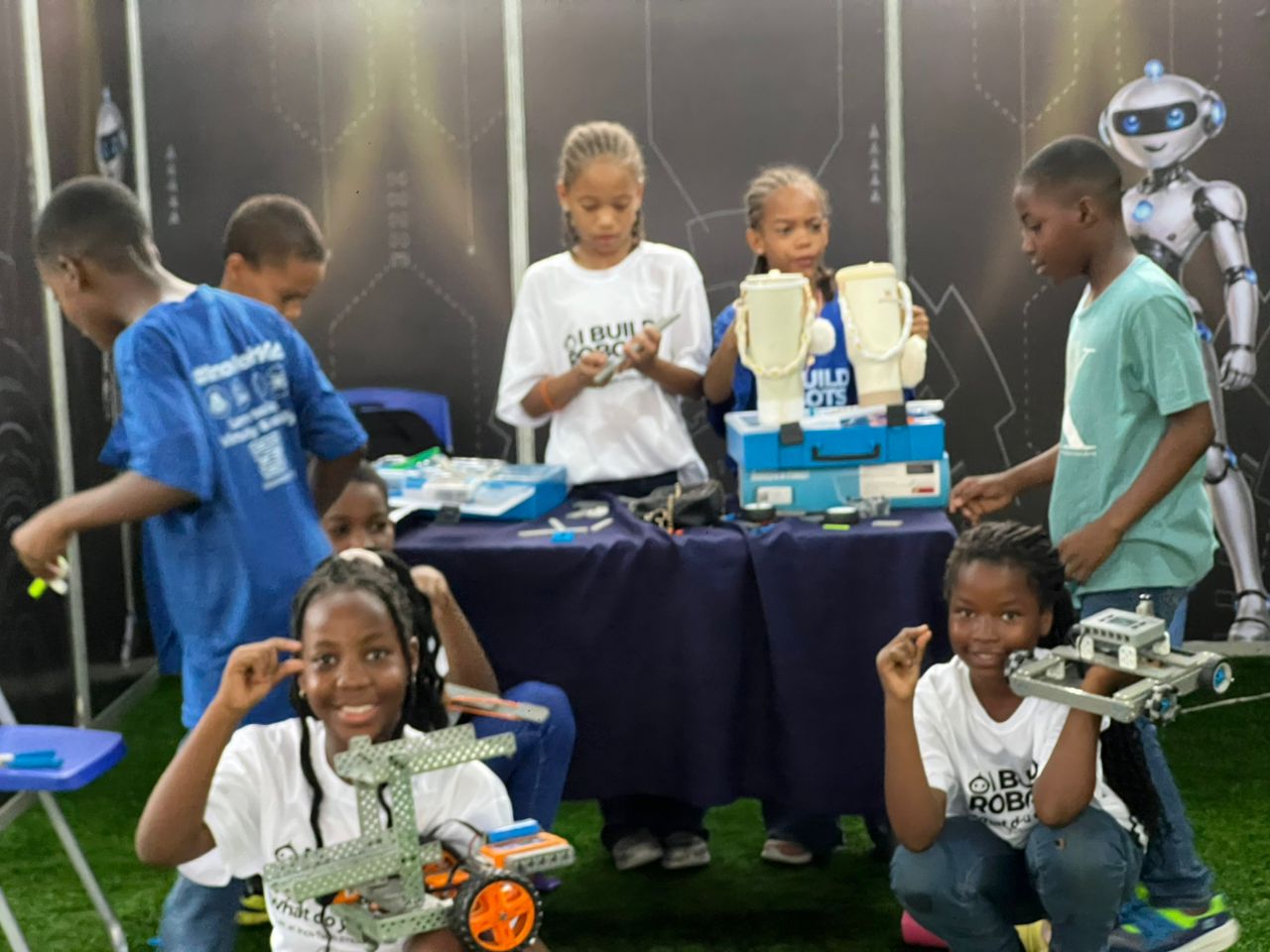
InovTech STEM Center, founded by Jonathan Kennedy Sowah, invited its students to participate as special exhibitors, allowing young innovators to demonstrate practical applications of robotics, coding, AI, circuits, and 3D modeling.
The students presented self-built robotic prototypes and programmable systems, explaining their functions in real-world terms, from sensor integration to automated movement logic.
For many attendees, the highlight was seeing teenagers and youngsters confidently articulate complex technological concepts.
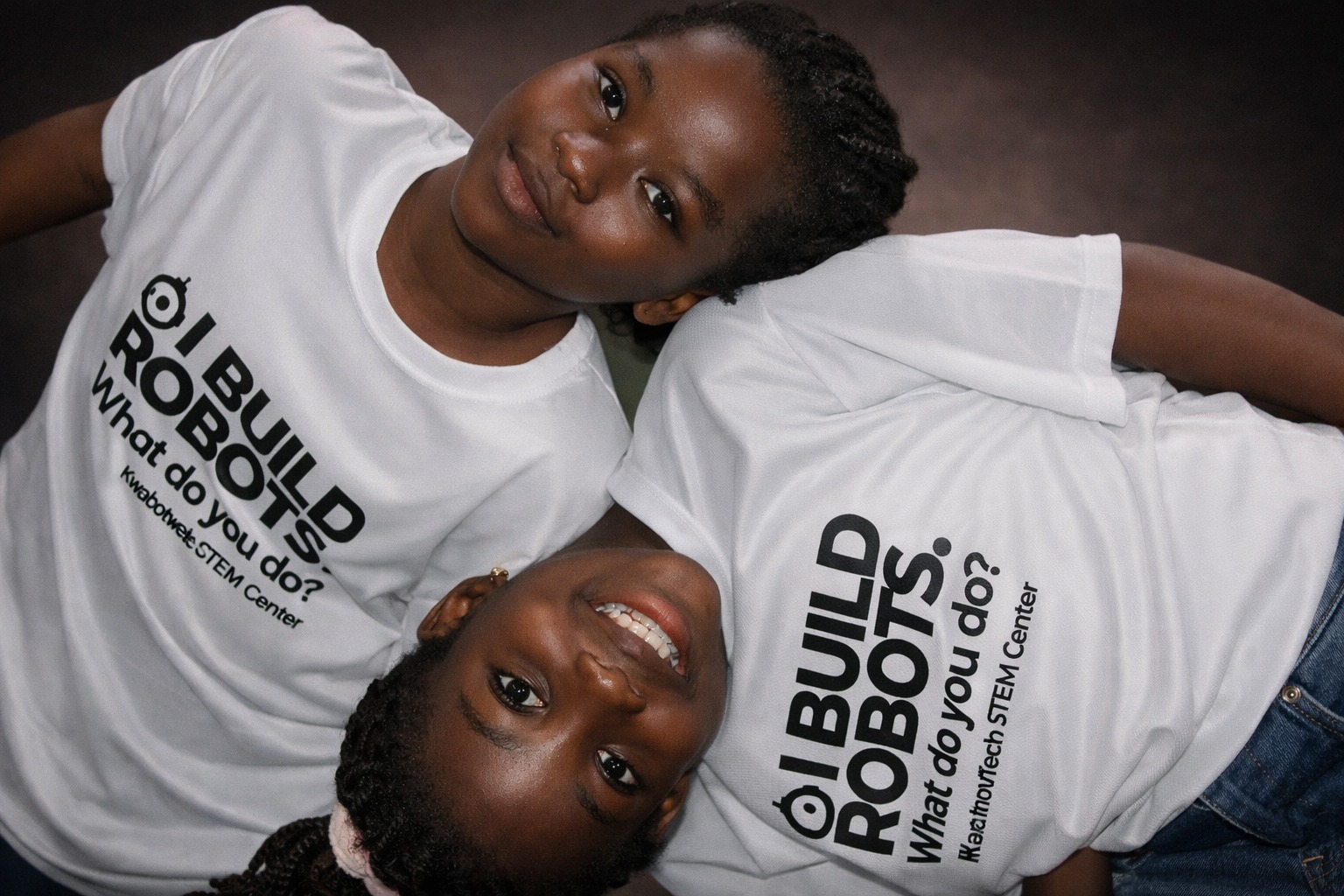
Since its inception, InovTech has trained thousands of students and teachers across Ghana, with a focus on underserved communities.
The center’s mission has been to bridge the gap between theoretical learning and practical application, ensuring that Ghanaian youth can compete in global technology sectors.
The synergy between Horlap’s AI-powered restaurant and InovTech students’ projects exemplifies Ghana’s growing innovation ecosystem.
Technology is no longer abstract; it is applied, market-ready, and embedded into local industries. By integrating robotics into hospitality, the launch also underscores the increasing demand for skilled talent in AI and automation across sectors.
Industry analysts note that such collaborations are crucial for Ghana’s digital economy.
As automation and AI adoption rise, hands-on STEM education ensures the country’s future engineers, coders, and innovators are prepared to lead and scale local solutions.