BY Daniel Bampoe
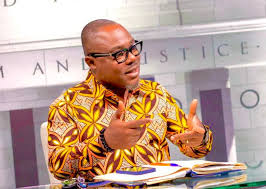
Former New Patriotic Party (NPP) vice-presidential candidate and former Energy Minister, Matthew Opoku Prempeh, popularly known as Napo, has revisited the controversy surrounding his comments on Ghana’s first President, Kwame Nkrumah, insisting that his remarks were deliberately taken out of context and manipulated for political advantage during the 2024 general election campaign.
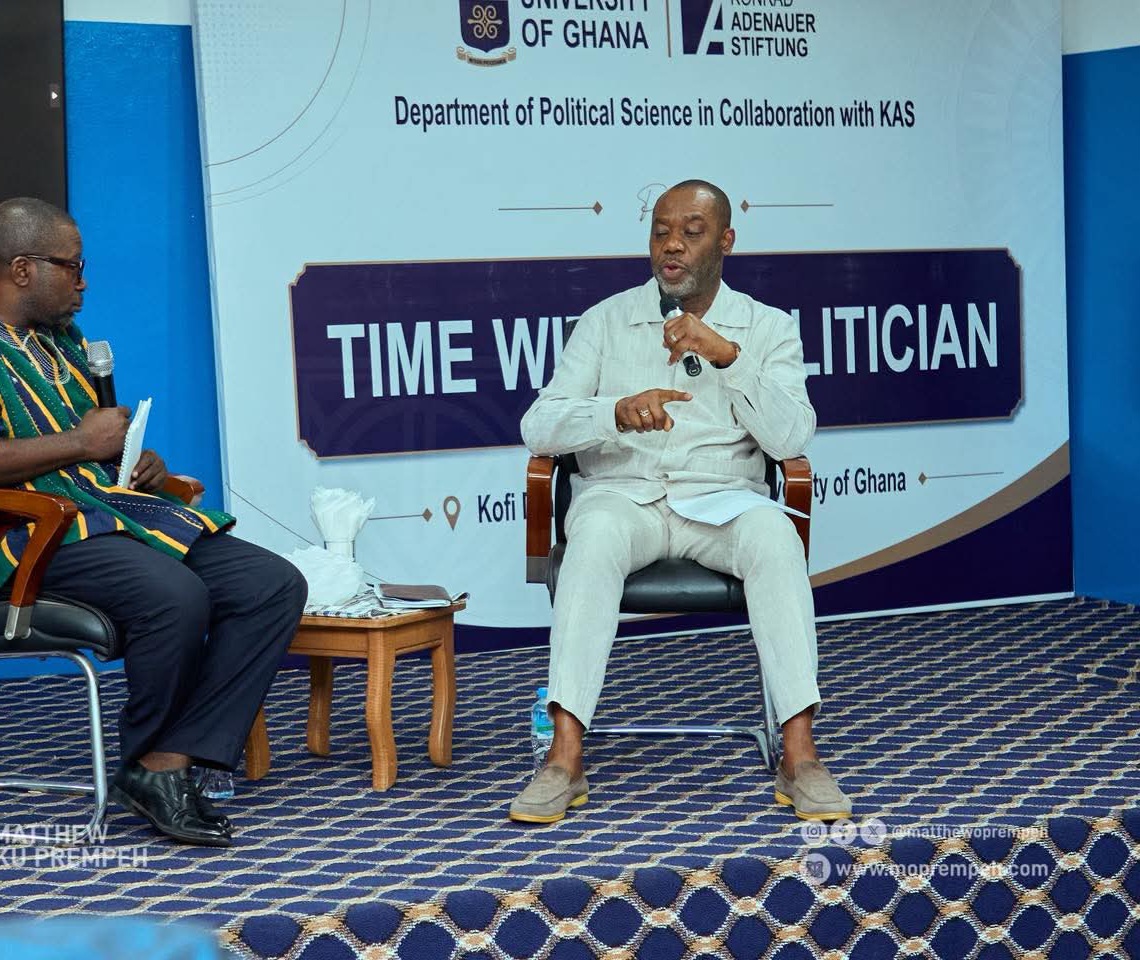
Speaking at a public engagement dubbed ‘Time With Politician’ hosted by the Department of Political Science at the University of Ghana, Dr. Opoku Prempeh reflected on his experience as the running mate to former Vice President and NPP presidential candidate, Dr Mahamudu Bawumia, during the 2024 elections.
He argued that political opponents and sections of the media distorted his statements in an effort to damage his public image and influence voter perceptions.
According to him, the controversy that followed his comments about Dr. Nkrumah was a classic example of how political communication can be manipulated to serve partisan interests.
He maintained that his original comments were clear and straightforward but were deliberately misrepresented by critics seeking political gain.
“When I talked about Nkrumah, most of the reportage was twisted. I live in a political space, and when people want to twist your words, they will always do so. But I can assure you that it will only last a short time,” he stated.
Dr. Opoku Prempeh noted that political opponents often seize on isolated statements and reinterpret them to fit narratives that advance their political objectives.
He said he was therefore not surprised by the backlash that followed his comments, describing such reactions as part of the realities of political life.
The controversy dates back to June 9, 2024, when Dr. Opoku Prempeh was officially unveiled as the NPP’s vice-presidential candidate in Kumasi.
During his address, he suggested that no president in history, including Dr. Kwame Nkrumah, had achieved more for the country than former President Nana Addo Dankwa Akufo-Addo.
The remarks immediately generated widespread criticism from political opponents, historians, civil society groups, and many Ghanaians who viewed the comparison as dismissive of Nkrumah’s legacy and contributions to independence and development.
The comments dominated public discourse for several days, with numerous calls for a retraction and apology.
Amid mounting criticism, Dr. Opoku Prempeh later issued a statement expressing regret over the controversy and apologising to those who felt offended by his remarks.
At the University of Ghana event, Napo also addressed perceptions about his personality, particularly accusations that he is arrogant.
He rejected those claims, arguing that they were politically manufactured and amplified by individuals who had little or no personal interaction with him.
According to him, before accepting the role of running mate, he carefully assessed the possible criticisms that opponents could deploy against him during the campaign and anticipated attempts to portray him negatively.
“Before I started this running mate, nobody ever went on air and said I was arrogant. But they did an analysis and tagged me as such. Every radio commentator said the same thing, but none of them had even met me,” he said.
He stressed that public figures are often subjected to unfair characterisations in politically charged environments, adding that he has learned not to be distracted by such attacks because the truth eventually emerges.
“I don’t let it bother me because those who do that are easily found,” he added.
Beyond reflecting on his campaign experience, Dr. Opoku Prempeh used the platform to caution political leaders about the dangers of making promises they are unable or unwilling to fulfil.
He warned that governments risk losing public trust and credibility when campaign commitments fail to materialise.
According to him, leadership is ultimately judged by the extent to which promises made during election campaigns translate into meaningful improvements in the lives of ordinary citizens.
He therefore called for stronger governance systems and leadership development structures that promote accountability and effective service delivery.
“Governance is to ensure that what the leaders say, they can see is executed in their lives. People who are leaders or want to be leaders, what they say must matter,” he said.
As an example, he cited the implementation of the Free Senior High School policy under the Akufo-Addo administration, arguing that the successful execution of the flagship programme helped sustain public confidence in the NPP government and demonstrated the importance of delivering on campaign commitments.
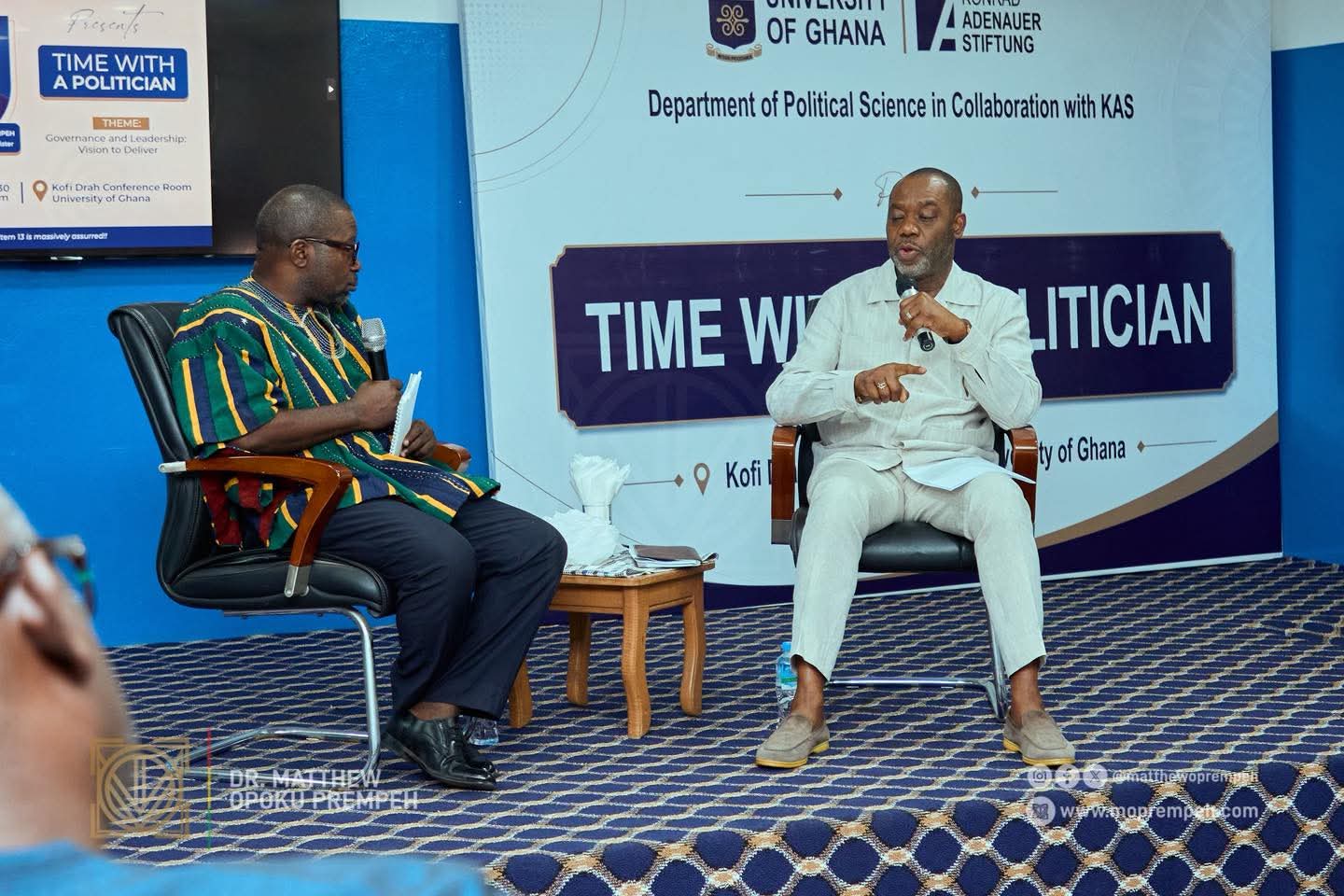
The former Energy Minister further emphasised the enormous responsibility that comes with political leadership, particularly under the constitutional framework, which grants extensive executive powers to the presidency.
He argued that the success of any president depends not only on the individual occupying the office but also on the quality of ministers, public institutions, and governance structures supporting the administration.
Dr. Opoku Prempeh stressed that elected leaders are entrusted with national resources and public institutions and must therefore exercise their authority responsibly.