By Daniel Bampoe
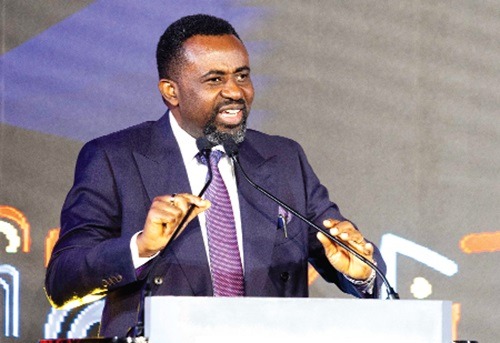
The Governor of the Bank of Ghana, Dr. Johnson Pandit Asiama, has defended the central bank’s recent monetary and reserve management policies before the Parliament of Ghana, arguing that the difficult policy decisions taken in 2025 have restored macroeconomic stability and strengthened the country’s external buffers.
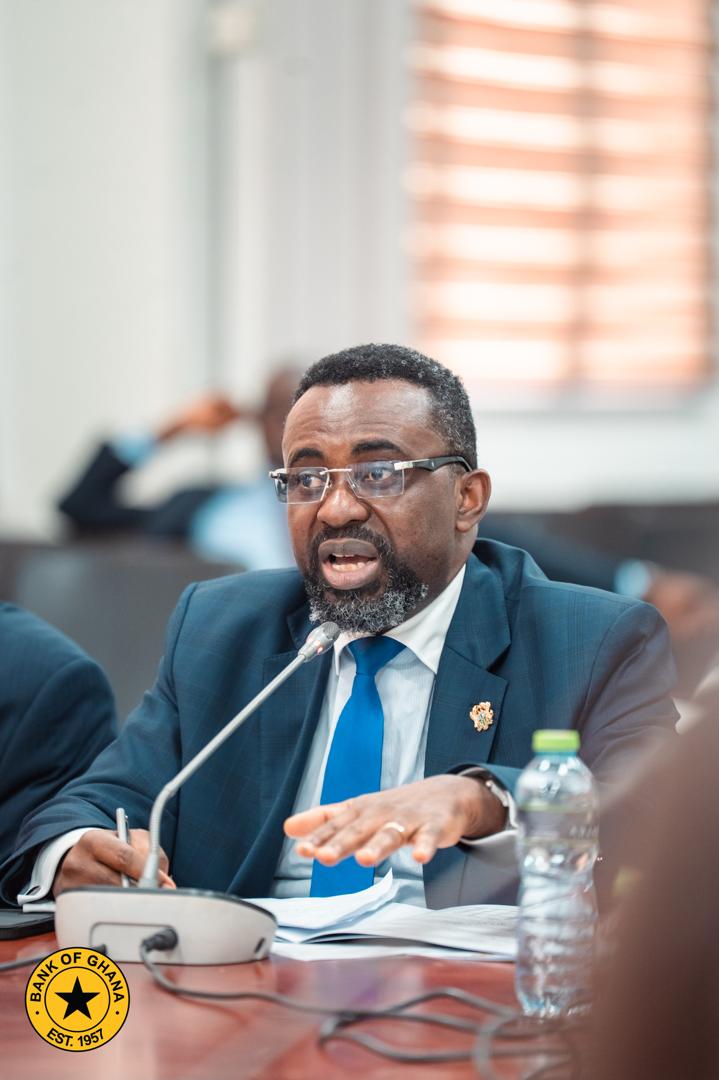
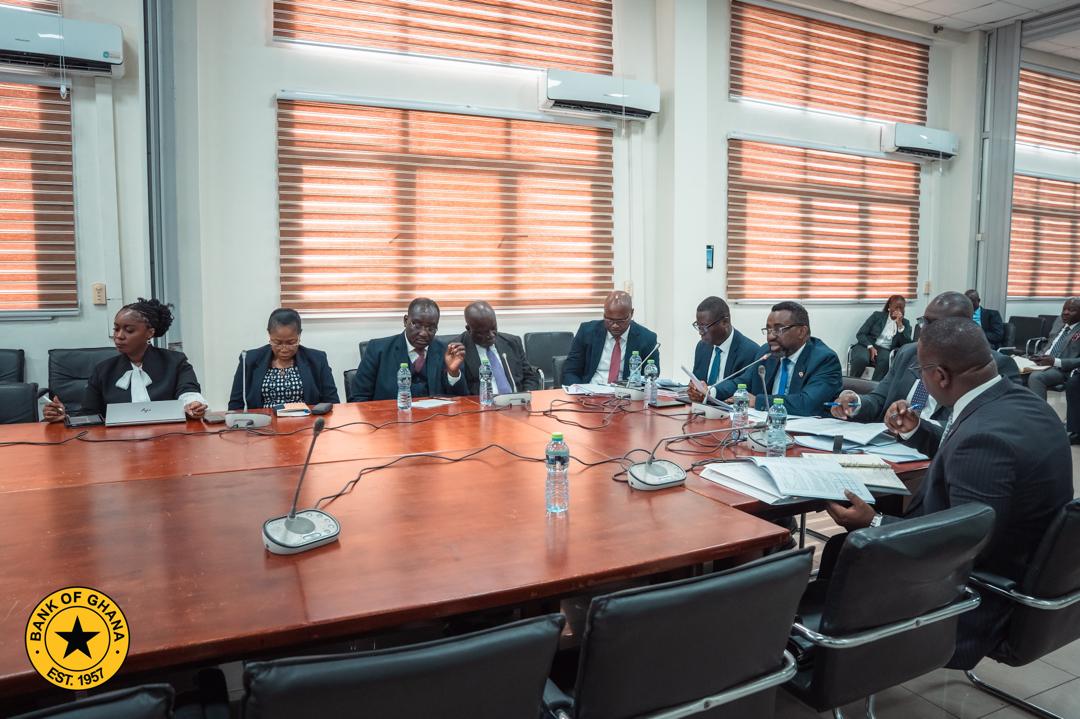
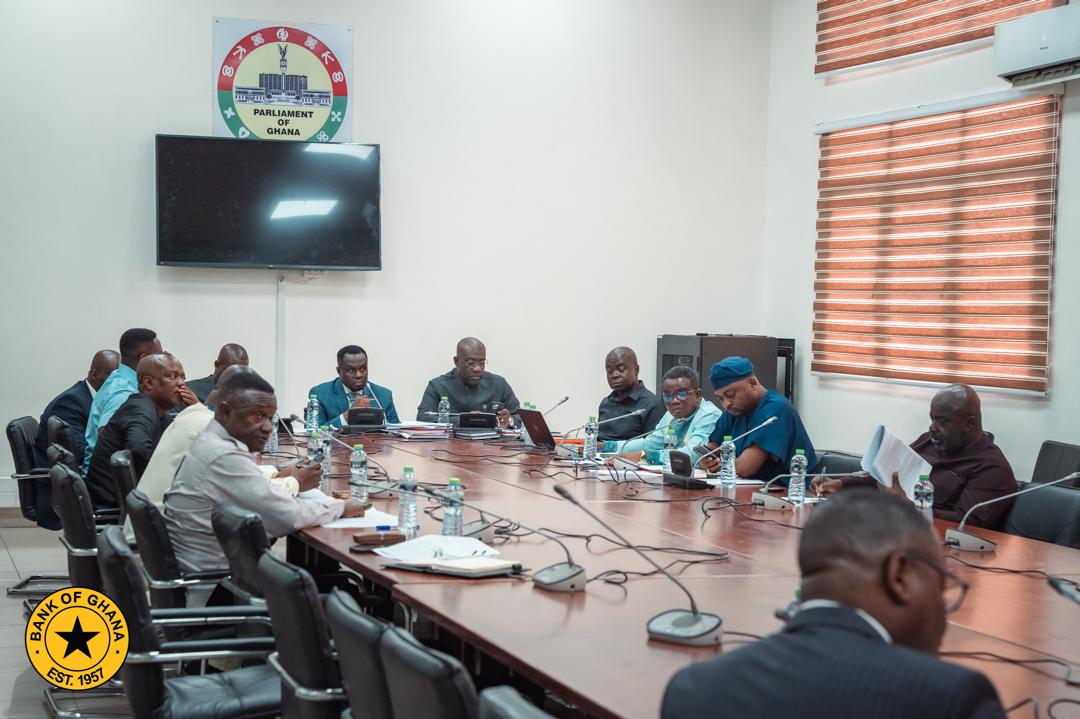
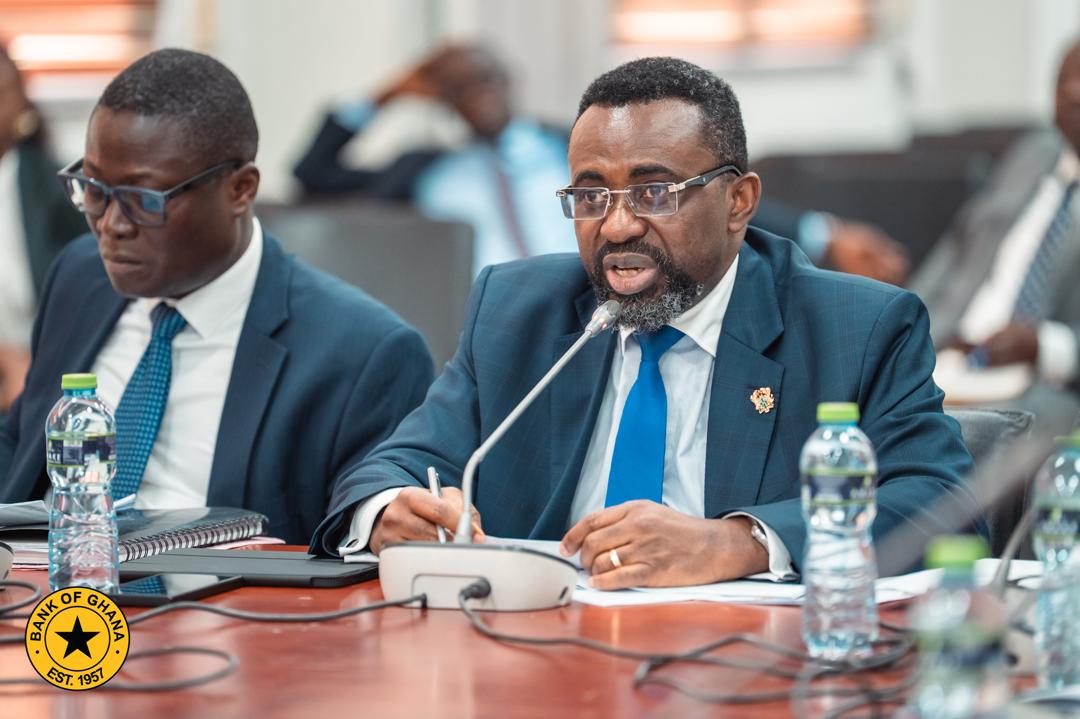
Appearing before the Parliamentary Committee on Economy and Development on March 9, 2026, Dr. Asiama outlined the economic conditions inherited at the beginning of 2025, the policy measures implemented by the central bank, and the outcomes now visible across the economy.
A Fragile Starting Point in 2025
Dr. Asiama told the lawmakers that when he assumed office in February 2025, the economy was emerging from one of the most difficult periods in its recent history.
The country had just undergone sovereign debt restructuring, experienced sharp currency depreciation, and faced persistently high inflation.
Headline inflation ended 2024 at 23.8 percent, far above the Bank of Ghana’s medium-term target of 8 ± 2 percent, while the cedi depreciated by 24.8 percent during the same year, worsening imported inflation and eroding public confidence.
The banking sector was also adjusting to the impact of the Domestic Debt Exchange Programme, which, although necessary for restoring debt sustainability, had placed pressure on financial institutions’ balance sheets and slowed credit expansion.

At the same time, lending rates remained above 30 percent, private sector credit growth was weak, and excess liquidity in the banking system was undermining the transmission of monetary policy.
The Bank of Ghana itself was not spared from the crisis. The central bank absorbed a 50 percent haircut on government securities under the debt restructuring programme, alongside mark-to-market losses caused by rising yields on government bonds.
Policy Actions To Restore Stability
Faced with these challenges, the central bank implemented a series of coordinated policy actions aimed at restoring stability.
The Monetary Policy Committee maintained a tight monetary policy stance to curb inflation and anchor expectations. At the same time, the Bank intensified open market operations to absorb excess liquidity in the banking system.

These operations included increased issuance of liquidity-absorbing instruments, sterilisation of foreign exchange inflows, and closer coordination with the Ministry of Finance on government cash management.
The Bank also prioritised rebuilding the external buffers. International reserves increased significantly due to improved export earnings, remittance inflows, and the Domestic Gold Purchase Programme, which strengthened reserve accumulation and diversified the reserve assets.
To improve transparency and efficiency in the foreign exchange market, the central bank also introduced a new foreign exchange operations framework in November 2025.
Gold Reserve Diversification Strategy
One of the key issues addressed by the Governor before Parliament was the Bank’s decision to rebalance its gold reserves.
Dr. Asiama clarified that Ghana’s gold reserves were not depleted but rather rebalanced to improve diversification and liquidity.
Before the launch of the gold purchase programme in 2021, Ghana held about 8.7 tonnes of gold. Through sustained accumulation, the central bank increased its holdings to over 40 tonnes by October 2025.
However, the rapid rise in global gold prices—about 62 percent between January and October 2025—significantly increased gold’s share of the reserves to about 42 percent.
The Governor explained that such a high concentration created portfolio risk, noting that most countries typically hold around 20 percent of reserves in gold.
He noted that while gold remains an important reserve asset, such a high concentration in a single asset class creates portfolio risk.
“Central banks do not manage reserves based on short-term price forecasts. Reserve management focuses on maintaining the right balance between liquidity, safety and diversification,” he said.
To reduce this exposure, the Bank converted part of its gold holdings into foreign exchange assets, strengthening liquidity and ensuring the reserves could be used more effectively to stabilise the currency and finance essential imports.
“The gold remains part of our international reserves; what changed was the composition of those reserves,” Dr. Asiama told the committee.
Macroeconomic Gains Now Visible
The Governor told the MPs that the results of these policies are now evident in the macroeconomic data.
Inflation has fallen sharply from 23.8 percent in December 2024 to 5.4 percent by December 2025, and further to 3.3 percent in February 2026, one of the lowest levels recorded in recent years.
The cedi has also stabilised and appreciated significantly during 2025, supported by improved macroeconomic fundamentals and renewed market confidence.
Interest rates across the financial system have begun to decline, with the policy rate reduced by 900 basis points during 2025, easing borrowing costs for businesses.
External reserves have also strengthened, reaching US$13.8 billion by the end of 2025, equivalent to 5.7 months of import cover.
Banking Sector Recovery
The banking sector has also shown signs of recovery. Capital adequacy improved to 17.5 percent, well above the regulatory minimum of 13 percent, while the non-performing loan ratio declined from 21.8 percent to 18.9 percent.
Total banking sector assets increased from GH₵368 billion to GH₵447 billion, while deposits grew by nearly 18 percent to GH₵325 billion.
Credit activity has also picked up. Gross loans increased from GH₵95 billion to GH₵111 billion, while nominal private sector credit growth rose to over 19 percent.
Financial Costs Of Stabilisation
Despite these improvements, Dr. Asiama acknowledged that the stabilisation effort has had financial implications for the central bank.

The Bank incurred higher costs through intensified open market operations, which increased liquidity sterilisation expenses from GH₵8.6 billion in 2024 to about GH₵17 billion in 2025.
Additional accounting losses arose from exchange-rate valuation effects following the appreciation of the cedi and operational costs linked to the gold purchase programme.
However, the Governor emphasised that these financial outcomes represent the accounting cost of stabilising the economy, rather than policy failure.
Outlook For Recovery
Looking ahead, the Governor said the Bank’s financial position is expected to improve as interest income on assets recovers, sterilisation costs decline, and reforms to the gold purchase programme reduce operational expenses.
He also indicated that the Government of Ghana will partner with the central bank in covering part of the programme’s costs going forward.
Dr. Asiama concluded that the policy actions taken over the past year have laid a strong foundation for sustained recovery.
“For ordinary Ghanaians, the real measure of this progress is simple: prices are stabilising, the cedi is steadier, and the economy is moving back toward normal,” he told Parliament.
He added that while the outlook is encouraging, the central bank will continue to pursue a prudent, disciplined and data-driven monetary policy approach to safeguard the macroeconomic stability amid ongoing global uncertainties.