
BY Daniel Bampoe
The Islamic Finance Research Institute of Ghana has raised fresh concerns over the growing difficulty young Ghanaians face in accessing business capital, warning that high interest rates within the conventional banking system are stifling entrepreneurship and innovation.
Speaking at the 6th Islamic Finance Forum in Kumasi, stakeholders highlighted how the current credit environment continues to exclude young graduates and start-ups from meaningful participation in the economy.
The forum, held under the theme “Non-Interest Bank in Ghana: Market Readiness, Products and Regulations,” focused on alternative financing models as a solution to unemployment and limited access to capital.
According to the Institute, commercial banks’ lending structures—characterised by high interest rates and strict collateral requirements—have made it nearly impossible for many young entrepreneurs to secure funding. This challenge, they argue, is directly impacting job creation and slowing down innovation across key sectors of the economy.
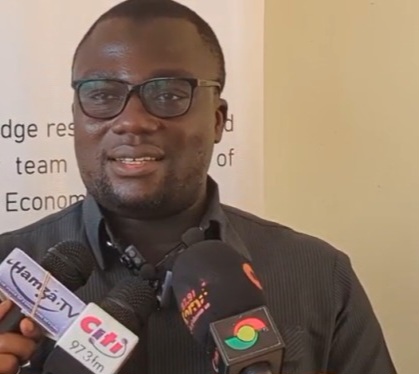
Director General of the Institute, Dr Shaibu Ali, stressed that entrepreneurship remains one of the most effective tools for tackling poverty. However, he noted that many young people are unable to meet the financial conditions required by traditional banks.

He explained that conventional lenders often demand financial records such as five-year bank statements—requirements that fresh graduates and early-stage entrepreneurs simply cannot provide. As a result, many viable business ideas never materialise due to lack of funding.
In response, the Institute is renewing its call for the establishment and full operationalisation of non-interest or interest-free financial institutions in Ghana.
It believes such a system would offer more inclusive financing options, enabling young people to access capital without the burden of high interest rates.
While the Bank of Ghana has already introduced a regulatory framework for non-interest banking, the Institute pointed out that delays by other financial sector regulators in finalising their guidelines are slowing down implementation.
Adding an international perspective, Alhaji Attahiru Maccido, Chief Executive Officer of One17 Capital Limited in Nigeria, described non-interest banking as both viable and profitable.
He encouraged investors to explore opportunities within the sector, emphasising that it is open to all, regardless of religious background.
Ghana continues to grapple with youth unemployment, with many stakeholders increasingly pointing to the structure of the country’s financial system as a major barrier.


