By Issah Olegor
A storm of controversy is brewing over the latest teacher recruitment exercise by the Ghana Education Service (GES), following revelations that over 40,000 qualified applicants are competing for just 7,000 available positions—raising concerns about transparency and fairness in the process.
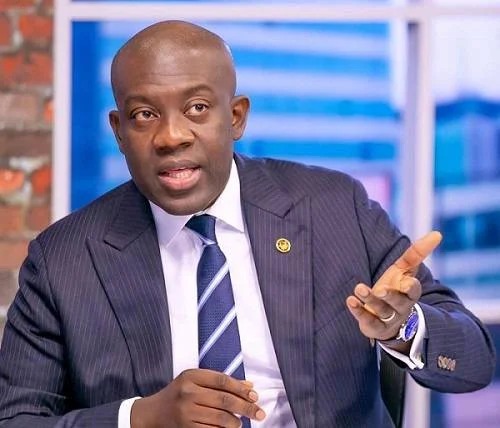
The Minister for Education, Haruna Iddrisu, disclosed that the overwhelming number of applications was received through the official recruitment portal, which has since been shut down after reaching its limit.
According to him, the decision to cap recruitment at 7,000 was due to financial constraints, despite a significant national deficit in teaching personnel.
Speaking on the sidelines of the e-Learning Africa conference, the Minister admitted that Ghana ideally requires the recruitment of up to 50,000 teachers to address gaps in the education sector.
However, he emphasized that budgetary limitations and clearance from the Ministry of Finance restricted the intake to just 7,000.
While government officials insist the process was conducted in an open and transparent manner, critics argue that the exercise may have been predetermined long before the portal was even opened to the public.
These concerns have been fueled by a leaked directive allegedly issued by the General Secretary of the National Democratic Congress (NDC), Fifi Fiavi Kwetey, instructing party executives across constituencies to establish committees tasked with identifying and vetting applicants for recruitment opportunities across sectors.
The directive, dated March 19, 2026, outlines a structured mechanism where constituency-level committees—comprising party executives, MPs, and MMDCEs—would oversee the selection of beneficiaries.
Notably, it mandates that at least 60% of recruitment slots be reserved for “loyal party members” actively engaged in party activities.
The emergence of this document has triggered widespread suspicion that the teacher recruitment process may have been influenced by political considerations, with claims that slots were effectively allocated before the official portal was opened to the general public.
Observers argue that this raises serious questions about equal opportunity and meritocracy, particularly for the tens of thousands of graduates who applied in good faith, hoping to secure employment in the public education sector.
Despite these allegations, the Education Minister has maintained that only the most qualified candidates will be selected after a thorough assessment process.
He assured that the Ministry would do its best within the constraints imposed by limited resources.
However, the stark mismatch between the number of applicants and available positions—combined with claims of partisan allocation—has intensified calls for independent oversight and greater transparency in public sector recruitment.
Historically, teacher recruitment in Ghana has often been plagued by concerns over politicization, patronage, and limited fiscal space.
Successive governments have struggled to balance the need for expanding the education workforce with the realities of budgetary constraints under IMF-supported fiscal discipline frameworks.