BY Issah Olegor
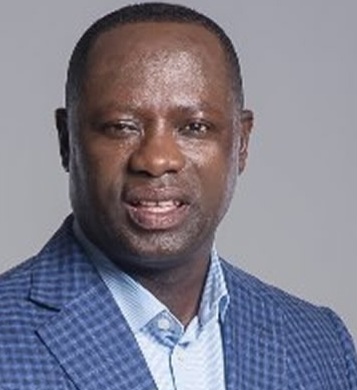
Chief Executive Officer of Engineers and Planners, Ibrahim Mahama, has publicly defended his company’s takeover of the Damang Gold Mine, pushing back against mounting political criticism of state capture by detailing a year-long negotiation process that he says began with the mine’s former operators.
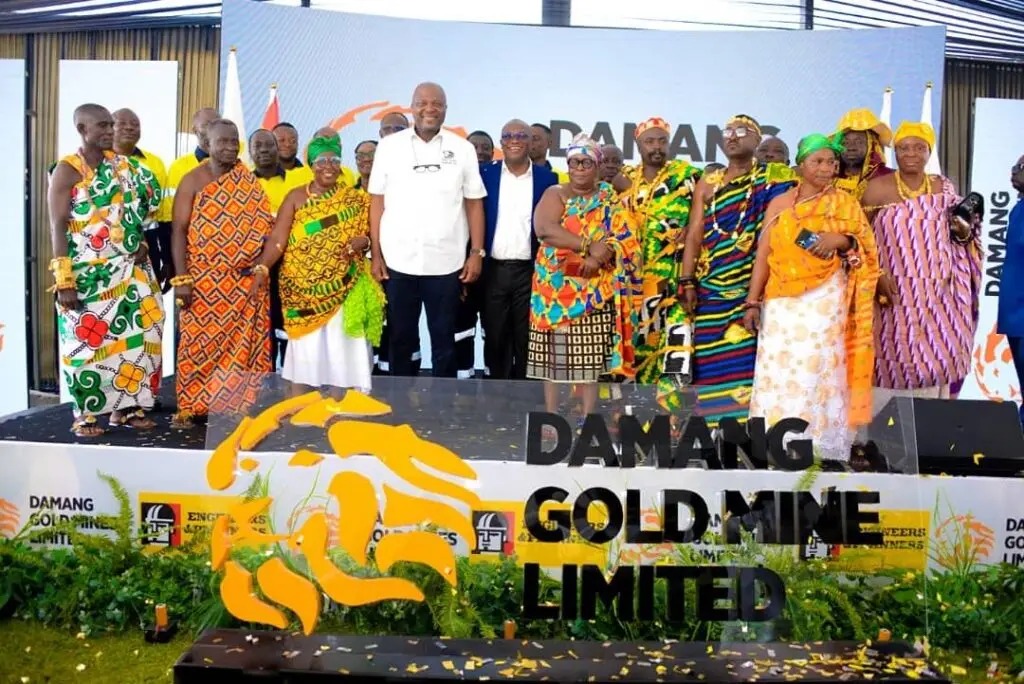
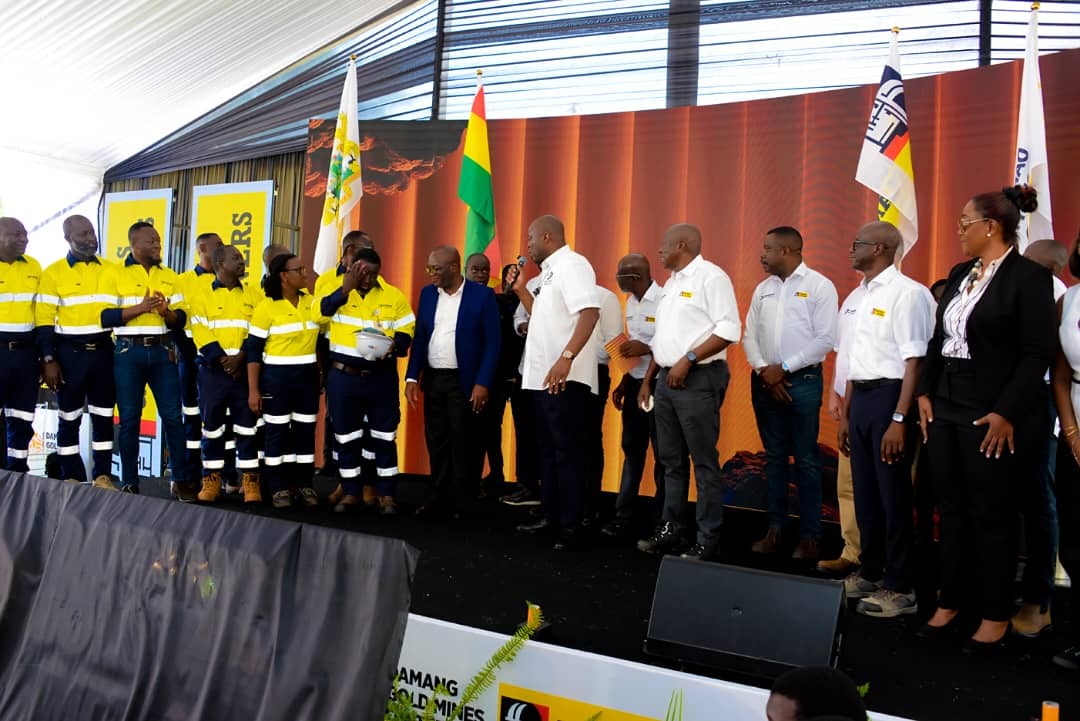
Speaking at the official handover ceremony of the Damang Mine in the Western Region on April 18, 2026, Ibrahim, brother of President John Mahama rejected claims that the acquisition was a sudden or politically driven move. Instead, he stated that the process originated from a decision by Gold Fields Ghana Limited to exit the concession.
According to him, as far back as 2022, Gold Fields had indicated plans to shut down the mine and approached his company to take over operations.
“I didn’t just wake up and say I want to own the mine,” he clarified, explaining that the initial discussions centred on a possible sale before evolving into a broader arrangement involving multiple stakeholders.
From Closure Talks To Full Transition
The Damang Mine, one of Ghana’s key gold-producing assets, has been under the control of Gold Fields since the early 1990s, with the Government of Ghana maintaining a minority stake under the Minerals and Mining Act.
In recent years, however, concerns about the mine’s long-term viability prompted discussions about its future.
Ibrahim Mahama revealed that during negotiations, he resisted a straightforward purchase arrangement, arguing that his company had long-standing grievances over previous dealings at the site.

This position, he said, led to a mutually agreed pathway that required government involvement and regulatory approvals.
He disclosed that a critical step in the process was obtaining a “no-objection” letter from government, which enabled formal negotiations with Gold Fields.
He also acknowledged the role played by former President Nana Addo Dankwa Akufo-Addo in facilitating that stage of engagement.
Competitive Tender And Final Approval
The eventual takeover followed a competitive bidding process supervised by government authorities after the expiration of the Damang lease. Engineers and Planners emerged as the successful bidder, paving the way for the official transition of operations in April 2026.
The development has, however, sparked political debate, with critics questioning the transparency of the process and raising concerns about fairness.
Ibrahim Mahama’s remarks appear aimed at countering those criticisms by emphasising that the process was structured, competitive, and rooted in earlier engagements rather than political influence.
Financing And Investment Commitments
Beyond the acquisition, Ibrahim outlined the scale of investment backing the project, revealing that his company conducted a bankable feasibility study before proceeding.
He stated that Engineers and Planners has secured significant financial commitments, including hundreds of millions of dollars from multiple lenders, to sustain operations and expand the mine.
He framed the takeover as part of a broader effort to demonstrate Ghanaian capacity in managing large-scale mining assets.
According to him, the project represents a shift towards stronger local participation in the extractive sector while ensuring that production continues uninterrupted.
Promises Of Local Development
Mahama also announced ambitious infrastructure plans tied to the Damang operations, including proposals for road networks, sports facilities, and even an airport to improve access between the mining enclave and Accra.
He pledged that within months, visible development projects would begin to transform communities around the mine, with a focus on job creation and improved living conditions.
These commitments have been echoed by officials at the Ministry of Lands and Natural Resources, who say the transition should deliver tangible benefits for local residents.
Government’s Position
Government representatives have defended the transition as a significant step toward increasing Ghanaian ownership in the mining sector. Officials insist that the process adhered to legal requirements and was designed to prevent job losses while sustaining economic activity at the Damang site.
They further argue that revised mining policies now place greater emphasis on ensuring that host communities benefit directly from resource extraction, a principle expected to guide the new phase of operations under Engineers and Planners.
A Defining Moment for Local Participation
The takeover of the Damang Mine marks a significant shift in the mining landscape, highlighting the growing role of indigenous companies in managing strategic natural resources.
While political debate over the process continues, Ibrahim Mahama maintains that the transition should be viewed not as a controversy, but as evidence that Ghanaian firms can mobilise the technical expertise and financial capacity required to operate major mining assets.