
By Nadia Ntiamoah
A major financial intervention by the Ghana Education Trust Fund, GETFund, has temporarily stabilised Ghana’s struggling Free SHS feeding system, following the release of GHS199.47 million to senior high and technical school heads to clear outstanding arrears for perishable food supplies.
The disbursement comes after weeks of mounting pressure from school authorities who had warned of a potential shutdown due to unpaid food bills.
At the peak of the crisis, heads of institutions under the Conference of Heads of Assisted Secondary Schools (CHASS) and their counterparts in the Conference of Principals of Technical Institutions (COPTI) signaled that feeding operations were becoming unsustainable, with many relying on credit from local suppliers to keep students fed.
The turning point came during an emergency stakeholder meeting convened by the Minister for Education, Haruna Iddrisu, which brought together key actors including GETFund Administrator Paul Adjei, CHASS leadership, and representatives from technical institutions.
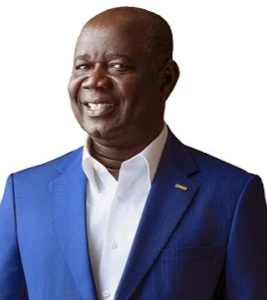
The meeting was called in response to escalating concerns over delays in payments for perishables—particularly meat, eggs, and vegetables—critical to daily school feeding.
While initial media narratives framed the meeting as a tense standoff between the Minister and the GETFund Administrator, insider accounts have since dismissed those claims as inaccurate.
According to sources familiar with the discussions, there was no confrontation or refusal to comply with directives.
Instead, the Administrator is said to have clarified the legal and administrative boundaries governing GETFund’s operations. Central to this clarification was the issue of procurement authority.
The Minister had proposed that funds be released directly to schools to allow them independently source perishable items, a move aimed at quickly resolving supply bottlenecks.
However, Paul Adjei reportedly explained that under the existing commitment authorisation framework, procurement responsibilities are institutionally anchored within GETFund, not external agencies such as the Ghana Education Service.
He cautioned that bypassing this structure could create administrative inconsistencies and weaken established governance systems.
Despite these concerns, the urgency of the situation appears to have compelled a pragmatic decision.
GETFund proceeded to release the GHS199.47 million directly to school heads—effectively aligning with the Minister’s emergency intervention approach to allow immediate procurement of perishables and avert disruptions in feeding.
Documents indicate that a formal request from the Ministry of Education to GETFund was submitted on April 10, 2026.
Yet, a prior memo seeking approval from the Free SHS Secretariat had reportedly been submitted as far back as January 2026, remaining at the Minister’s office for more than 10 weeks before action was taken.
This delay is believed to have contributed significantly to the accumulation of arrears and the near-crisis conditions in schools.
The release of funds is now expected to ease immediate tensions and restore stability across second-cycle institutions, ensuring continuity in academic activities and safeguarding preparations for key examinations.
Nonetheless, the episode has exposed deeper structural and coordination challenges within the education financing and procurement systems—particularly the delicate balance between policy direction, institutional mandates, and emergency decision-making.
While the latest intervention offers temporary relief, stakeholders say long-term solutions will require clearer alignment between the Ministry of Education, GETFund, and implementing agencies to prevent future disruptions.


