By Daniel Bampoe
As Ghana edges closer to the 2028 general elections, an intense internal contest is quietly taking shape within the governing National Democratic Congress (NDC), where a new generation of leadership is expected to emerge following the anticipated exit of John Dramani Mahama from presidential contests.
With the party currently in power, the stakes are significantly higher, and what would ordinarily be an internal primary has evolved into a high-stakes power struggle among some of the most influential figures in government and party structures.
A newly released nationwide survey conducted by Africa Policy Lens (APL) between April 17 and 19, 2026, offers a revealing snapshot into the evolving dynamics of the race.
The study, which sampled constituency executives across all 276 constituencies via a structured SMS-based questionnaire, gathered 2,408 valid responses, providing insight into grassroots sentiment, candidate strength, and the underlying factors shaping delegate preferences.
While the survey acknowledges limitations such as voluntary response bias and reliance on mobile accessibility, its broad national coverage presents one of the clearest early indicators of how the contest is unfolding.
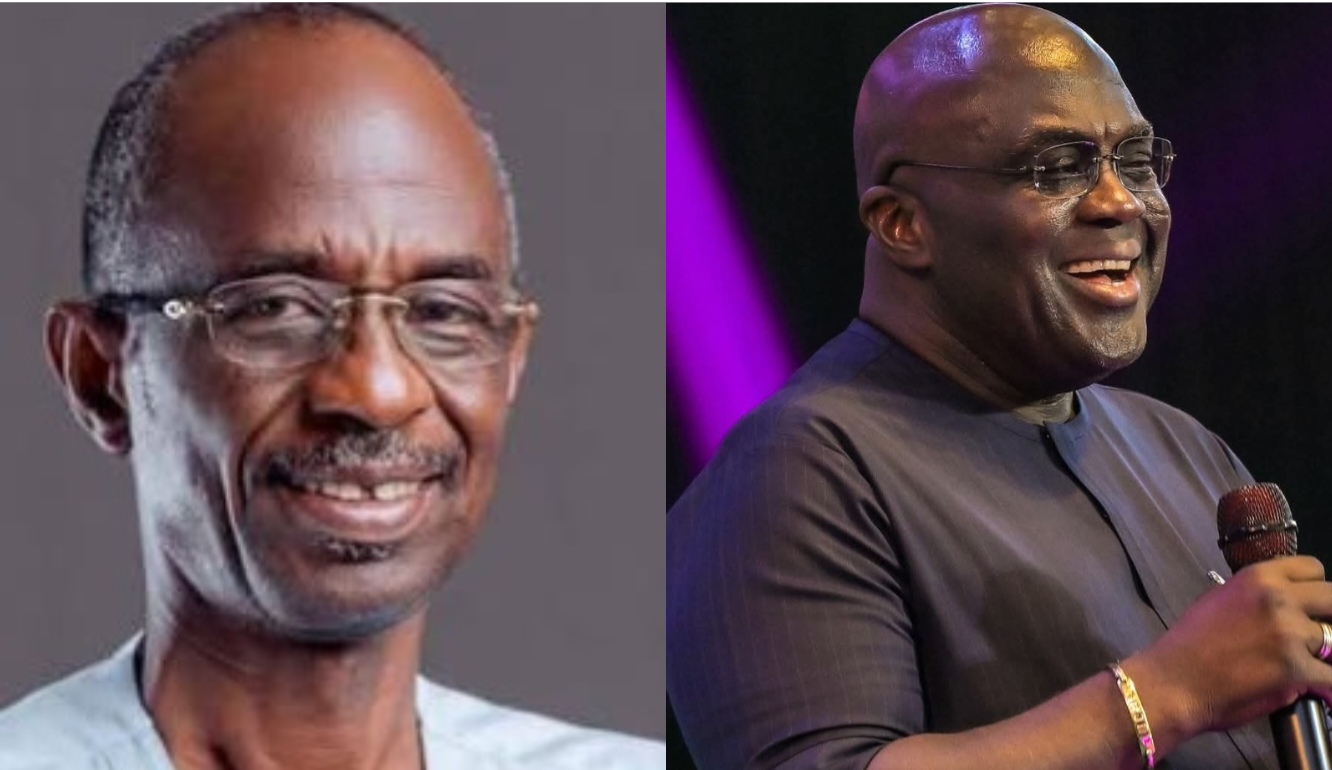
At the heart of the race is a striking deadlock between two leading figures: Johnson Asiedu Nketiah, popularly called General Mosquito, the National Chairman of the NDC, and Julius Debrah, the Chief of Staff at the Office of the President.
According to the findings, Asiedu Nketiah commands 31.9% of support among respondents, narrowly ahead of Debrah, who follows closely with 30.1%.
This razor-thin margin underscores a deeply competitive race with no clear frontrunner except the two heavyweights.
The two secured over 60%, leaving a significant gap between them and the other contenders.
Minister for Education, Haruna Iddrisu had 17.9% while Finance, Casiel Ato Forson got 13.1% with Vice President Professor Jane Naana Opoku Agyemang following at 5th place with a paltry 3. 6% and Foreign Minister, Samuel Okudzeto Ablakwa garnering 1.0%. Others put together by APL, secured 2.5%.
When respondents were further asked who they would vote for if elections were held immediately, the pattern remained consistent, with Asiedu Nketiah polling 32.7% against Julius Debrah’s 30.9%, reinforcing a firm but divided base with little evidence of shifting allegiances.
Beyond the top two, the data reveals a wider field that could prove decisive.
Dr Cassiel Ato Forson, the current Finance Minister, emerges as a formidable perceived contender, with 27.1% of respondents identifying him as a “closest opponent,” despite not leading in direct support.
His presence signals a latent influence that could reshape alliances as the race progresses.
Other notable figures include Haruna Iddrisu, the Minister for Education and Eric Opoku, the Minister for Food and Agriculture, both of whom remain relevant in the broader equation.
Also looming in the background is Vice President Jane Naana Opoku-Agyemang, whose potential interest adds another layer of complexity to the contest.
What is becoming increasingly clear is that the NDC’s 2028 flagbearer race is not being driven primarily by policy debates but by leadership credentials.
Delegates overwhelmingly prioritize experience and track record (66.1%), followed by personal integrity (56.8%) and the ability to unify the party (46.8%).
Grassroots appeal and public image also feature prominently, while policy proposals rank significantly lower at just 27.9%. This suggests that the eventual winner will likely be the candidate who can project credibility, command trust, and bridge internal divisions within the party.
The demographic composition of respondents further contextualizes these preferences. The survey reflects a predominantly educated and mid-career group, with nearly 90% holding tertiary qualifications and over half aged between 35 and 44.
Strong participation from politically influential regions such as Greater Accra, Northern, Central, Ashanti, and Eastern Regions indicates that the findings are shaped by a politically active and informed segment of the party’s grassroots leadership.
Strategically, the race remains wide open. Both Asiedu Nketiah and Julius Debrah have consolidated strong but limited bases, yet neither has demonstrated the ability to expand beyond their core supporters.
This creates an opportunity for candidates like Ato Forson and others in the second tier to play kingmaker roles or even surge ahead if alliances shift.
The absence of a dominant figure means that the contest will likely intensify in the coming months, with internal negotiations, endorsements, and regional mobilization expected to shape the final outcome.
Ultimately, the battle to succeed President Mahama is shaping up to be one of the most competitive internal contests in the NDC’s recent history. With no clear frontrunner and multiple power blocs emerging, the question of who becomes the party’s 2028 presidential candidate remains unresolved.