BY Nadia Ntiamoah
In a strategic move to deepen community development and women’s empowerment efforts across Ghana, the Heritage Hands Foundation has engaged senior government leadership to strengthen support for its expanding national agenda.
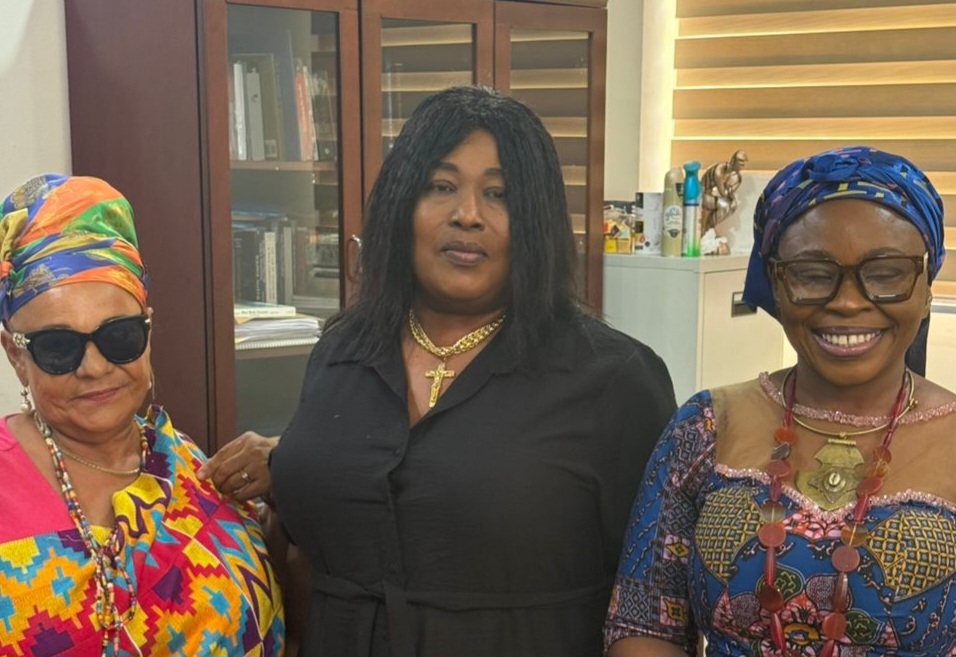
The meeting, described as purposeful and forward-looking, saw Nana Akosua Agyapomaa Asare — Founder and President of the Heritage Hands Foundation and Nkosuohemaa of the Oseawuo Division of Okyeman — paying a courtesy call on Nana Yaa Jantuah, a Senior Presidential Staffer at the Jubilee House.
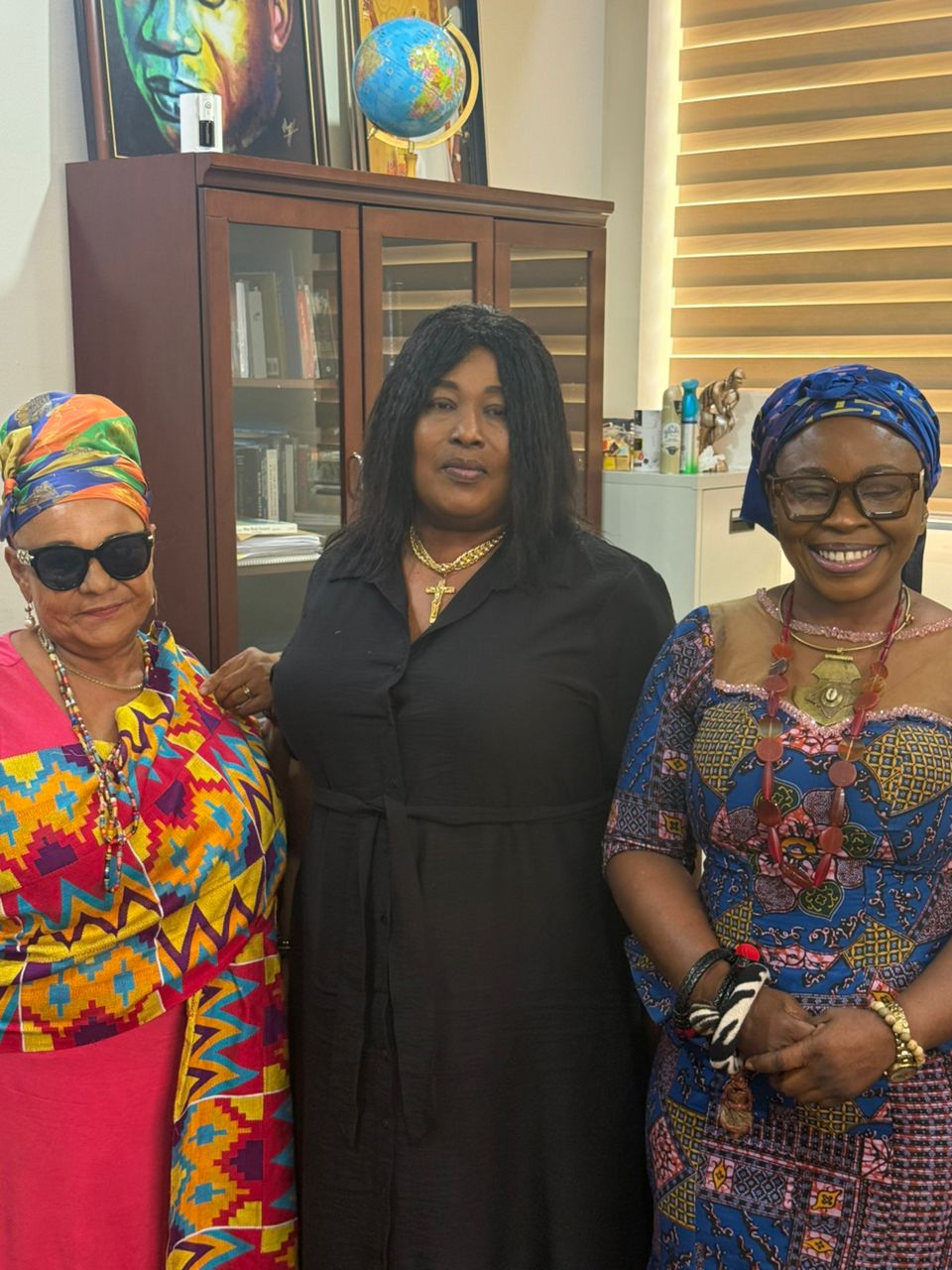
The engagement brought together traditional leadership and government representation, highlighting a growing effort to align grassroots initiatives with national development priorities.
Far from a routine visit, discussions centred on expanding the Foundation’s impact and building stronger institutional partnerships.
The Heritage Hands Foundation, a coalition of queenmothers, has in recent years carved a niche in community development, focusing on women’s empowerment, literacy promotion, and cultural preservation.
Presenting the Foundation’s progress, Nana Akosua Agyapomaa Asare outlined key interventions that have defined its work, including the donation of thousands of books to underserved schools, literacy campaigns, and community-based programmes targeting vulnerable groups.
These initiatives, she noted, underscore the enduring influence of traditional leadership structures in driving social change at the local level.
With a view to scaling its operations nationwide, the Foundation introduced four major strategic programmes during the meeting.
These include capacity-building initiatives aimed at strengthening the leadership roles of queenmothers, as well as economic empowerment programmes designed to equip women with practical skills such as soap production, bead making, detergent manufacturing, and hair pomade formulation.
Further proposals focus on expanding access to education through large-scale book donations and the development of libraries in deprived communities, alongside interventions in sanitation and water access, including the construction of mechanised boreholes and improved hygiene infrastructure.
The meeting marks a significant step in the Foundation’s efforts to broaden its reach and influence policy-backed development initiatives. It also reinforces the critical role of queenmothers in the socio-economic landscape, where traditional authority continues to complement modern governance structures.