
By Daniel Bampoe
President John Dramani Mahama has ruled out the creation of a separate statutory Common Fund for traditional authorities, pushing back against a formal appeal by the Eastern Regional House of Chiefs for dedicated financing to support development in their jurisdictions.
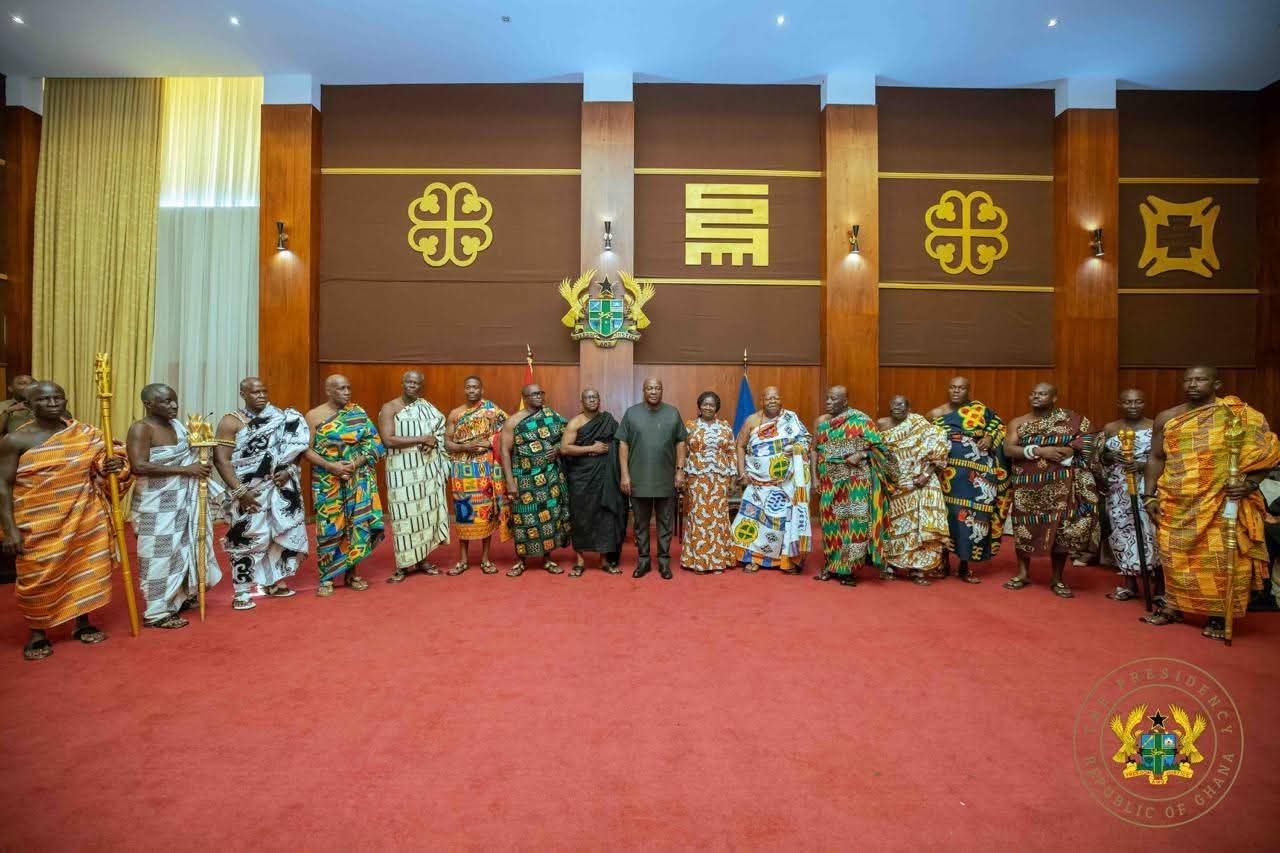
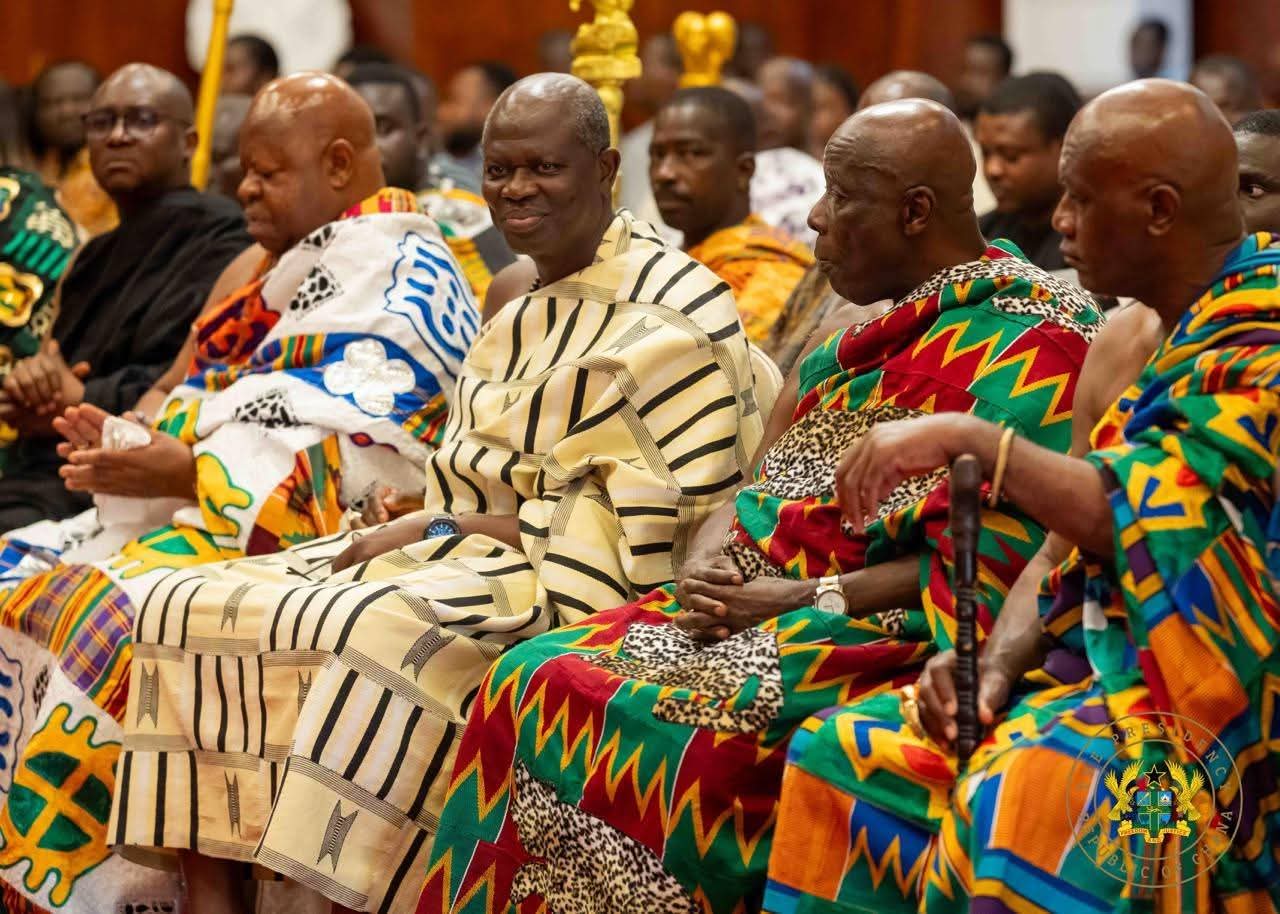
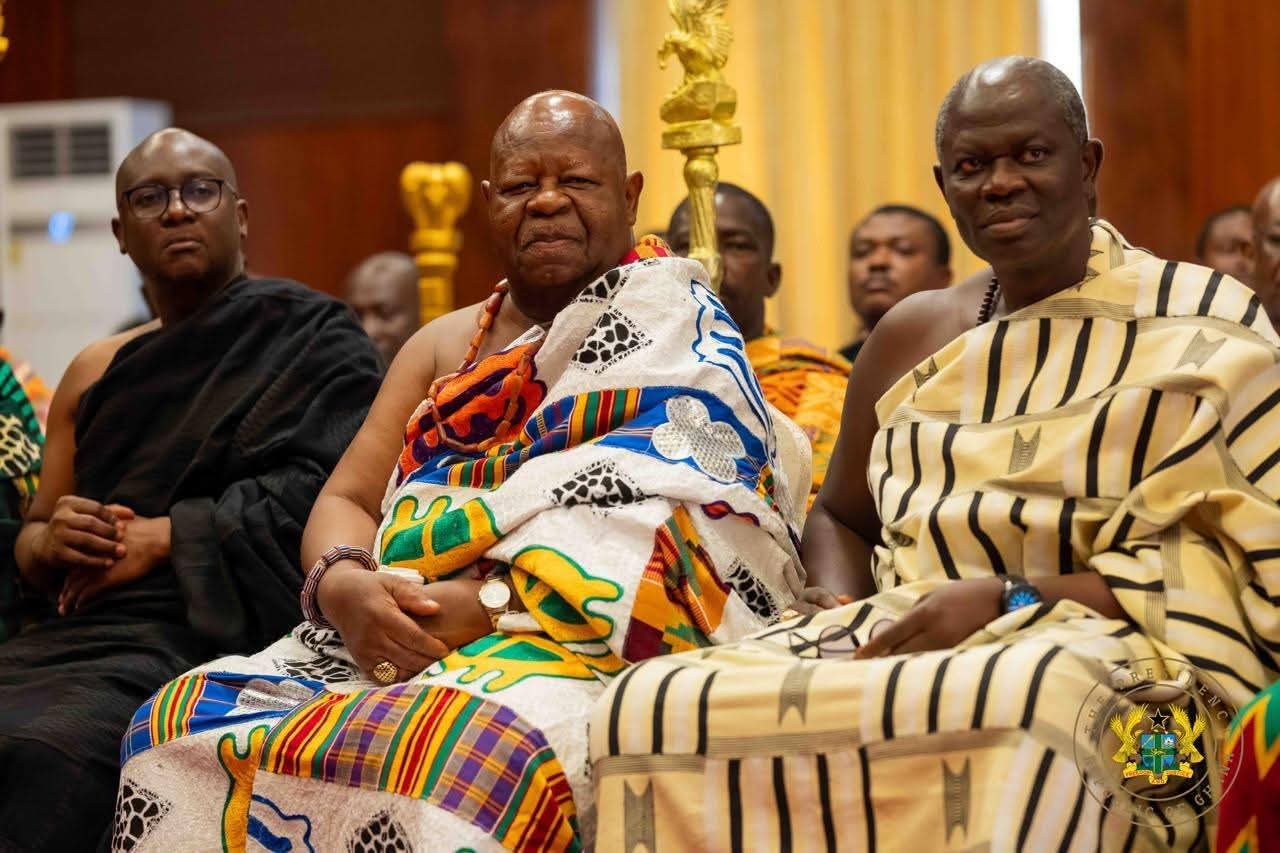
The issue came to the fore during a high-level engagement at Jubilee House on Wednesday, April 22, 2026, when the President met a delegation of 11 Paramount Chiefs led by Nene Sakite II, who also serves as President of the Eastern Regional House of Chiefs.
Direct Funding
In his address, Nene Sakite II made a strong case for the establishment of a Chiefs’ Common Fund, describing it as both “appropriate” and “logical” within the decentralisation framework.
He argued that traditional authorities continue to shoulder significant responsibilities in local governance, cultural preservation, and community development, often without adequate financial support.
According to him, repeated appeals to Metropolitan, Municipal and District Assemblies (MMDAs) for assistance have yielded little, leaving traditional councils constrained in delivering services to their people.
He stressed that while local government structures remain central to development, chiefs require an independent and reliable funding mechanism to effectively complement state efforts at the grassroots level.
Beyond funding, the Konor also requested technical support from government to enable chiefs access records related to the 1992 Stool Lands Boundary settlements, which he indicated would aid in land administration and dispute resolution.
No New Statutory Fund
Responding to the appeal, President Mahama acknowledged the important role of traditional authorities but made it clear that government does not intend to establish a separate statutory fund exclusively for chiefs.
He explained that the current governance framework already provides room for assemblies to support traditional rulers using portions of the District Assembly Common Fund, suggesting that stronger collaboration at the district level remains the preferred approach.
“Unfortunately, there is no statutory fund like that… I don’t envisage a whole statutory fund created for a whole chieftaincy institution,” the President stated, effectively shutting down the proposal.
Ongoing Debate Over Chiefs’ Role In Development
The call for a dedicated fund for chiefs is not new. Over the years, traditional leaders across Ghana have advocated for more direct access to state resources, arguing that their proximity to communities places them in a unique position to drive development initiatives.
However, successive governments have largely maintained that decentralised governance through MMDAs remains the most appropriate channel for resource allocation, with chiefs expected to collaborate within that framework rather than operate parallel funding systems.
Development Assurances And Infrastructure Commitments
Despite rejecting the funding proposal, President Mahama used the occasion to reassure the chiefs of government’s commitment to ongoing projects in the Eastern Region.
He announced that work on the long-stalled Eastern Regional Hospital project will resume, with directives already issued for the contractor to return to site and payments to be made to ensure completion.
He also updated the delegation on efforts to operationalise the University of Engineering and Agricultural Sciences (UEAS) at Bunso, positioning it as a key driver of education and agricultural transformation in the region.
Strong Traditional Representation At Jubilee House
The meeting brought together a cross-section of influential traditional leaders, including the Okyenhene, Osagyefuo Amoatia Ofori Panin, Oseadeeyo Kwasi Akuffo III, Daasebre Akuamoah Agyapong II, Odeneho Kwarfo Akoto III, and Daasebre Kwaku Boateng, among others.
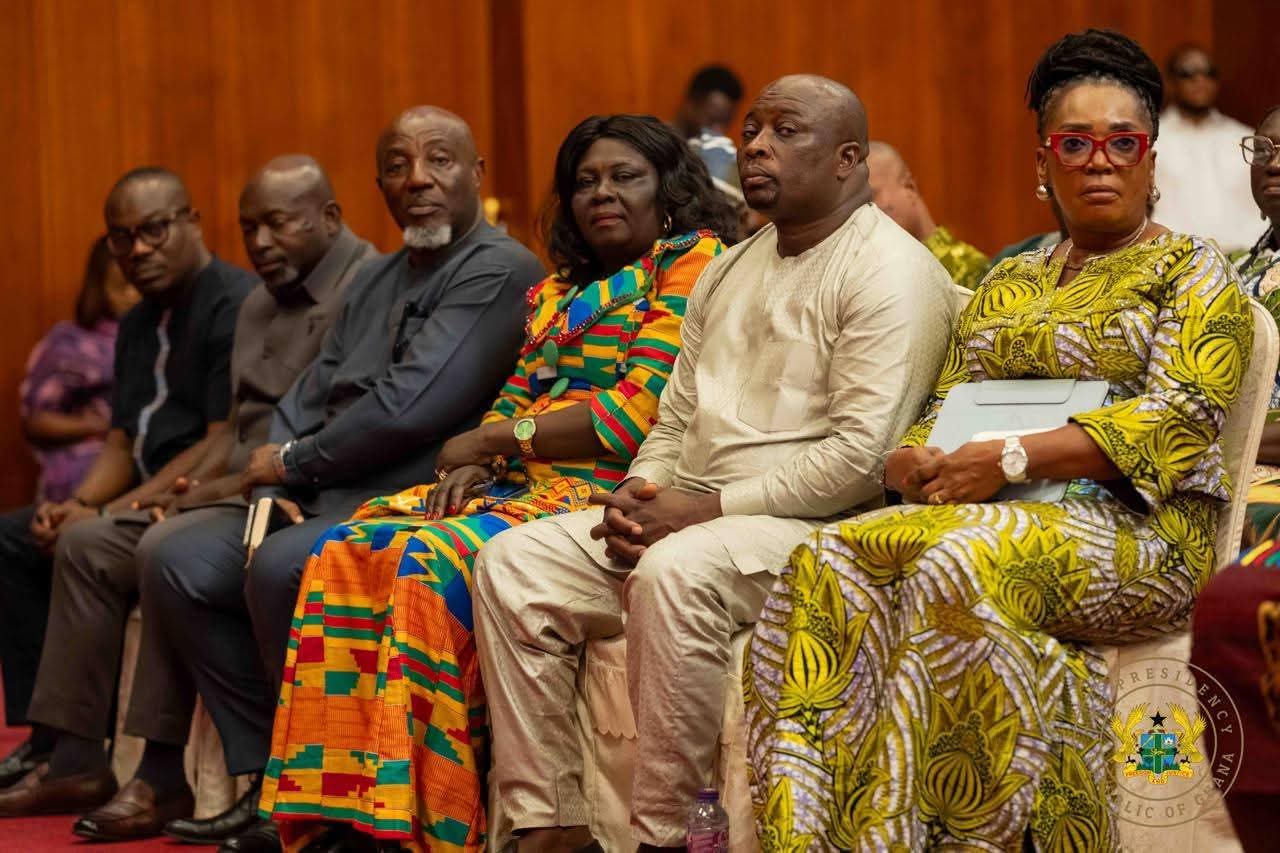
Also present was the Eastern Regional Minister, Rita Akosua Adjei Awatey, alongside other government officials.
A Delicate Balance
While the rejection of a Chiefs’ Common Fund may disappoint traditional leaders, the engagement reflects an ongoing balancing act between formal state structures and customary authority in the governance system.


