By Issah Olegor
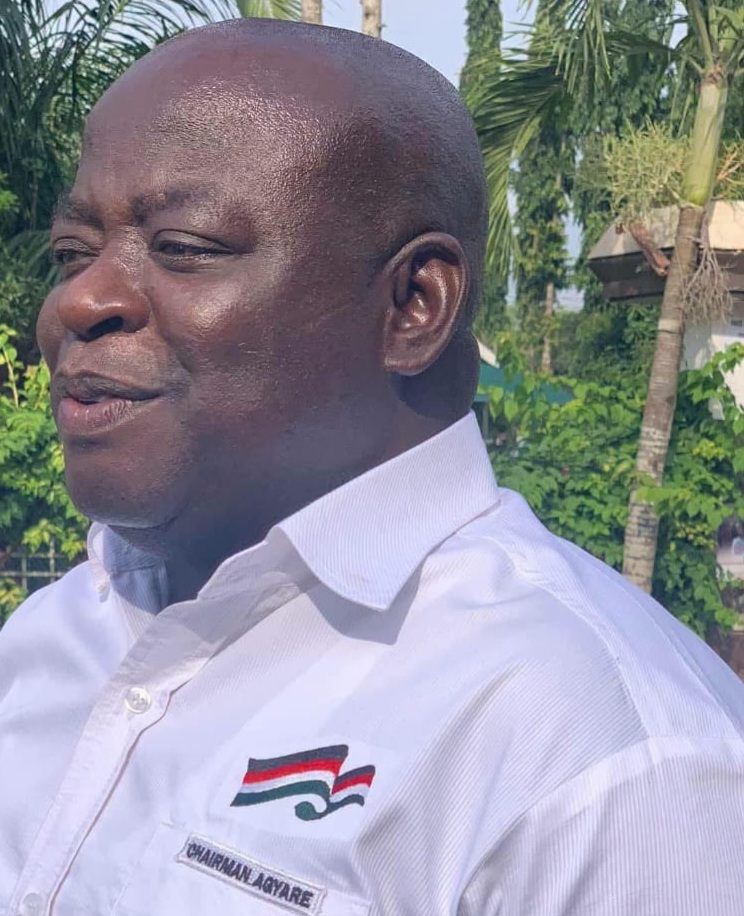
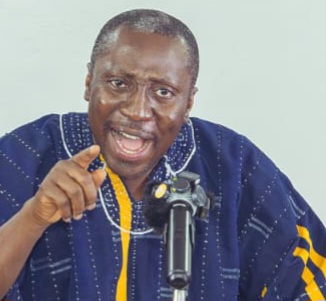
Minority Leader Alexander Afenyo-Markin has intensified criticism of the administration of President John Dramani Mahama over the arrest and detention of Kwame Baffoe, popularly known as Abronye DC, describing the prosecution as a dangerous attempt to revive the notorious “culture of silence” through the criminalisation of political speech.
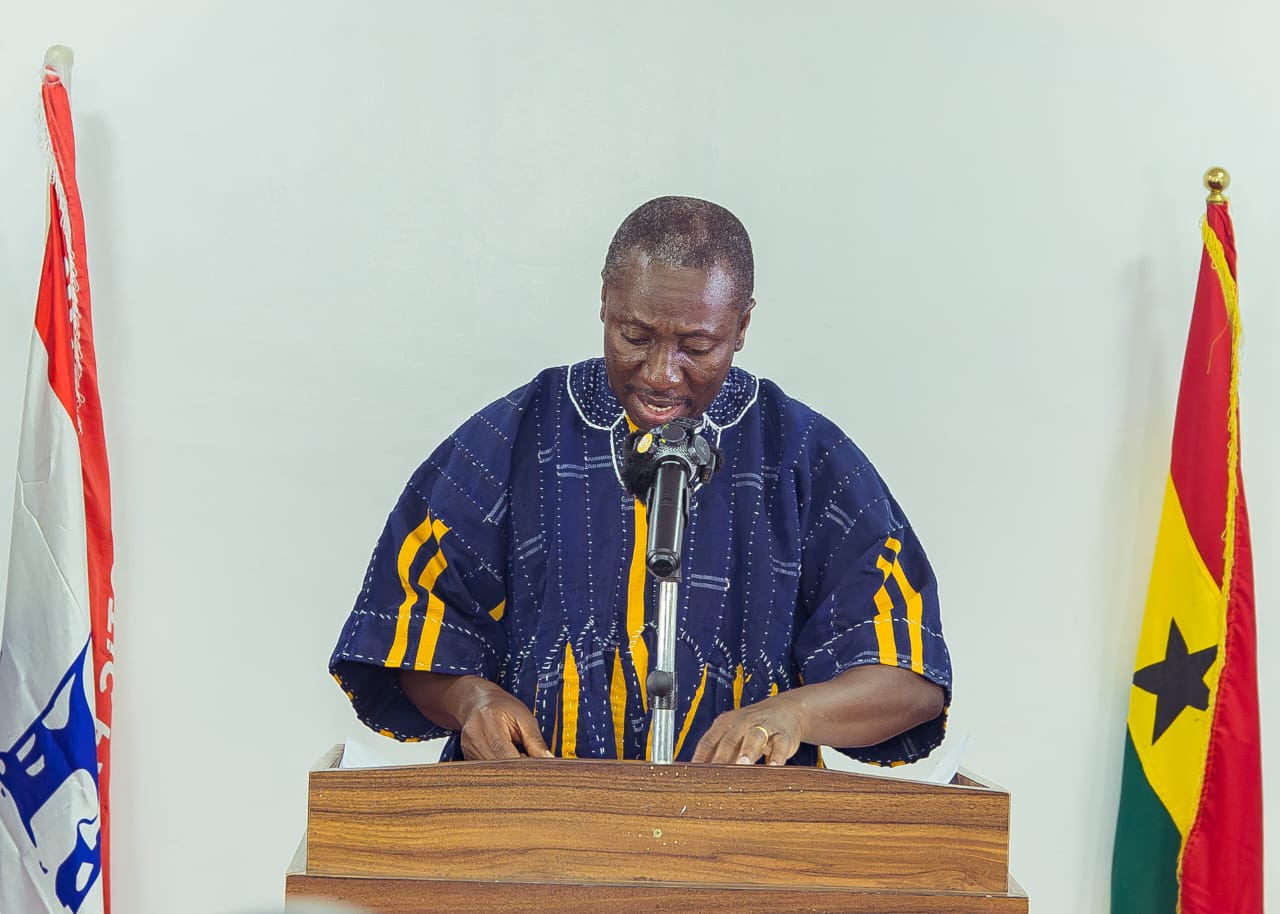
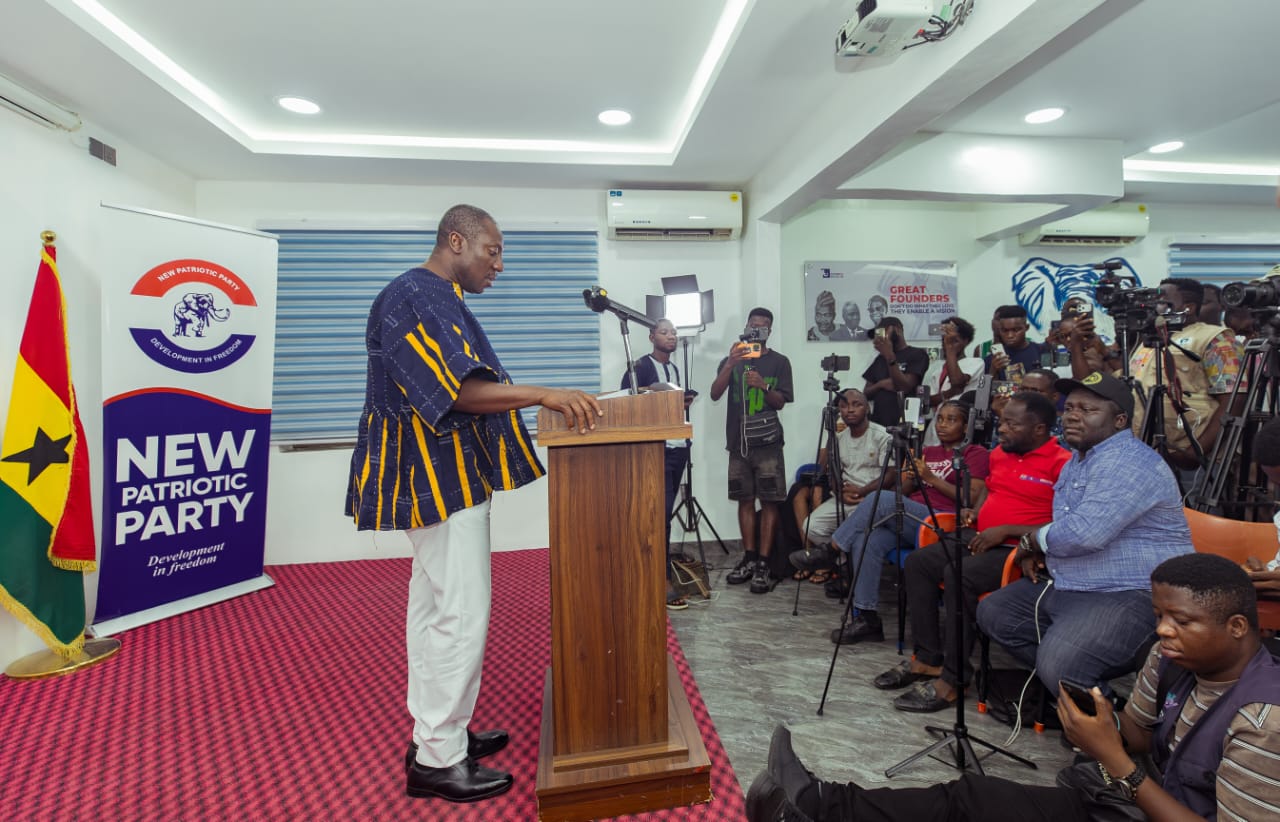
Addressing a press conference in Accra on Sunday, May 17, 2026, the Minority Leader described the arrest, remand, and prosecution of the Bono Regional Chairman of the New Patriotic Party (NPP) as “a constitutional outrage” and accused the government of weaponising state institutions to intimidate opposition voices.
According to Afenyo-Markin, the prosecution of citizens for comments made in the public space represents a profound abuse of constitutional democracy and a direct attack on freedom of expression guaranteed under Ghana’s 1992 Constitution.
He warned that no amount of intimidation will stop NPP from expressing opinion on national issues.
“The NPP will not be gagged. Not by arrest. Not by bail denial. Not by BNI detention. Not by any instrument of fear this government deploys. The freedom to speak, to criticise power and to hold government accountable is not a privilege granted by any administration.
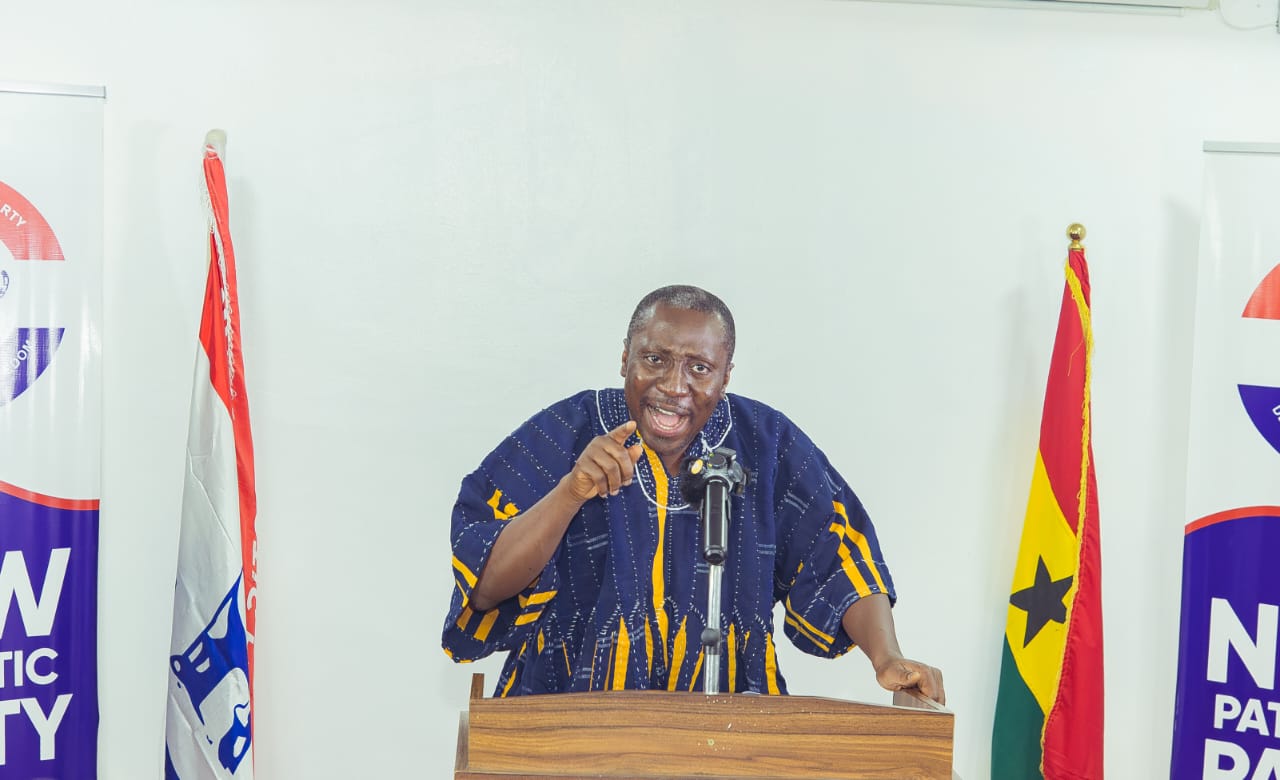
“It is a constitutional birthright. And it cannot be revoked by any government on earth”, he stressed, adding “Abronye DC’s voice may be temporarily caged. Let this government understand clearly: a thousand voices will rise in its place. That is not a threat. That is the unbreakable promise of Ghanaian democracy”.
Abronye Charged Over Social Media Video
Abronye DC was arraigned before Circuit Court 9 in Accra on May 13, 2026, on two charges — offensive conduct conducive to breach of peace under Section 207(1) of the Criminal Offences Act, 1960 (Act 29), and publication of false news under Section 208(1).
The charges reportedly stem from a social media video in which Abronye criticised the conduct and impartiality of a Circuit Court judge.
Afenyo-Markin argued that criticism of a public officer performing a public function falls squarely within protected political expression under Article 21(1)(a) of the Constitution.
He maintained that sharp criticism of a judge does not automatically amount to conduct likely to breach the peace and further questioned the legal basis of the false publication charge, insisting that prosecutors would have to prove that Abronye knowingly published false information.
According to the Minority Leader, the prosecution amounts to an attempt to criminalise political opinion.
Bail Refusal Described as “Censorship From the Bench”
The Minority Leader also strongly criticised the court’s refusal to grant bail to Abronye DC despite the charges being misdemeanours.
He noted that the defence team presented several grounds in support of bail, including Abronye’s fixed residence, family responsibilities, health concerns, and public profile.
However, prosecutors reportedly opposed bail on grounds that Abronye could commit similar offences if released.
Afenyo-Markin described the court’s acceptance of that argument as unconstitutional, insisting that no citizen should be imprisoned simply because authorities fear they may continue speaking publicly.
According to him, denying bail on the basis that an accused person may express political views again amounts to “political censorship from the bench.”
He argued that such reasoning conflicts with Articles 14 and 19 of the Constitution, which guarantee personal liberty and the presumption of innocence.
Questions Raised Over BNI Remand
Another major issue raised by the Minority Leader concerns Abronye’s remand into the custody of the Bureau of National Investigations (BNI).
Afenyo-Markin questioned why an opposition politician facing speech-related misdemeanour charges was transferred into the custody of a state intelligence agency typically associated with national security matters.
He argued that the BNI was never intended to function as a remand facility for political opponents.
More significantly, he alleged that four days after the remand ruling, Abronye’s legal team had still not received a signed and certified remand order from the court registry despite repeated visits.
The Minority Leader warned that if no formal written remand order exists, the detention could amount to unlawful imprisonment under Article 14 of the Constitution..
According to him, a remand order is a formal judicial instrument and not merely a verbal instruction.
He therefore demanded accountability from the Ghana Police Service, the BNI, and Circuit Court 9 over the legal basis for Abronye’s continued detention.
The Minority Leader is therefore demanding the immediate and unconditional release of Abronye DC from BNI custody.
It also plans to challenge the constitutionality of applying Sections 207 and 208 of Act 29 to political speech where civil remedies already exist.
Criminal Libel Debate Rekindled
Afenyo-Markin used the press conference to revisit Ghana’s long and controversial history with criminal libel laws.
He recalled that Parliament unanimously repealed criminal libel and seditious laws in 2001 through the Criminal Code (Repeal of Criminal Libel and Seditious Laws) Amendment Act, 2001 (Act 602), under former President John Agyekum Kufuor.
The repeal, introduced by then Attorney-General Nana Addo Dankwa Akufo-Addo, was celebrated internationally as a major democratic milestone that enhanced press freedom and free speech in Ghana.
The Minority Leader, however, alleged that the Mahama administration is quietly reconstructing the criminal libel regime through alternative statutory provisions such as Sections 207 and 208 of Act 29.
According to him, while the legal labels may differ, the outcome remains the same — arrest, prosecution, detention, and intimidation of critics.
Revisiting History of Political Repression
The press conference also revisited Ghana’s political history during the era of the Provisional National Defence Council (PNDC) led by former President Jerry John Rawlings.
Afenyo-Markin accused the PNDC regime of using colonial-era criminal libel laws to suppress journalists, academics, lawyers, and political critics..
He referenced the experiences of journalists and editors such as Tommy Thompson, John Kugblenu, Abdul Malik Kweku Baako, Kwesi Pratt and lawyer Akoto Ampaw, some of whom were allegedly jailed, tortured, or persecuted during that period.
He also recalled the 1998 imprisonment of Kweku Baako and Haruna Atta over publications involving former First Lady Nana Konadu Agyeman-Rawlings.
According to Afenyo-Markin, the democratic progress since the repeal of criminal libel laws is now under threat.
Alleged Pattern Of Political Intimidation
The Minority Leader argued that Abronye’s case is part of a broader pattern involving the arrest and prosecution of opposition figures since the Mahama administration returned to office in January 2025.
He cited the arrest of David Essandoh after posting “Dumsor is back” alongside an image of President Mahama.
He also referenced the prosecution of Abubakar Yakubu, popularly known as Baba Amando, on charges relating to false publication and offensive conduct.
Additionally, he mentioned the arrest of Alfred Ababio Kumi after comments concerning proceedings involving the Chief Justice, as well as attempted actions involving John Ntim Fordjour after the MP raised concerns about suspicious aircraft allegedly linked to drug trafficking and money laundering.
According to Afenyo-Markin, these incidents reveal what he described as “an unholy collaboration” between the Executive, investigative agencies, and sections of the judiciary to intimidate members of the
Minority Demands Immediate Release
The Minority Caucus is demanding the immediate and unconditional release of Abronye DC from BNI custody.
It also plans to challenge the constitutionality of applying Sections 207 and 208 of Act 29 to political speech where civil remedies already exist.
Additionally, the Minority is calling on Parliament’s Constitutional, Legal and Parliamentary Affairs Committee to summon the Inspector General of Police and the Director-General of the BNI over the handling of the matter.
Afenyo-Markin further urged the judiciary, civil society organisations, media, and legal fraternity to defend constitutional freedoms and prevent what he described as a gradual return to authoritarianism.
“The culture of silence is not coming back to Ghana,” he declared. “Not now. Not on our watch. Not ever.”