
By Nadia Ntiamoah
Ghana continues to spend billions of cedis annually on food imports despite possessing vast agricultural potential, with new data from the Chamber of Agribusiness Ghana revealing that the country’s food import bill now ranges between $2 billion and $3.25 billion annually, equivalent to more than GH¢38.9 billion. This significantly affect unemployment and local industries competitiveness.
The figures have reignited concerns among agricultural experts, policymakers and industry players over the growing dependence on imported food products at a time when successive governments have prioritized food security, import substitution and industrialization under various agricultural initiatives.
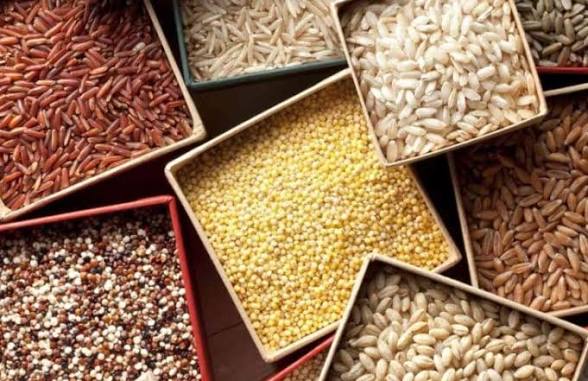
According to a detailed analysis compiled by the Research and Trade Desk of the Chamber of Agribusiness Ghana, rice remains the single largest contributor to the food import expenditure.
The country spends between $700 million and $800 million annually importing rice to satisfy local demand despite ongoing efforts to increase domestic production through mechanized farming and irrigation projects.
The report indicates that poultry and meat imports constitute another major drain on the economy. Frozen chicken, meat products and animal offal account for between $400 million and $600 million annually.
Industry observers have long argued that the influx of cheaper imported poultry products has weakened the domestic poultry industry, forcing many local farmers out of business.
Sugar imports also continue to place a significant burden on the country’s foreign exchange reserves. Due to insufficient local production capacity, Ghana spends between $400 million and $600 million every year importing sugar and related products to meet domestic consumption needs.
Fish imports remain another major concern. Despite Ghana’s extensive coastline and fishing tradition, the country spends approximately $300 million annually importing frozen fish to bridge the gap between local supply and consumer demand.
One of the most striking revelations in the report relates to fruit juices and beverage products. While Ghana is one of Africa’s leading producers of tropical fruits such as mangoes, pineapples, oranges and other citrus varieties, the country continues to spend heavily on imported juice concentrates, syrups and beverage flavorings.
The Chamber estimates that Ghana spends between $33 million and $150 million annually on imported packaged fruit juices.
However, when industrial concentrates and beverage ingredients used by local bottling companies are included, the total expenditure could reach as high as $646 million annually.
Agribusiness experts describe the situation as a major paradox, arguing that millions of fruits produced in farming communities often go to waste due to inadequate processing facilities, while manufacturers continue to rely on imported raw materials.
The country’s dependence on imported edible oils remains equally significant. Vegetable oils and related fats account for approximately $400 million in annual imports, while wheat and flour imports consume close to $600 million each year to sustain Ghana’s growing bakery and food-processing industries.
The dairy sector presents another challenge. Ghana spends an estimated $400 million annually importing milk powder, condensed milk, butter, cheese and other dairy products, primarily from European countries and New Zealand. Local dairy production remains insufficient to meet national demand.
The report further reveals that imports of processed foods and fast-moving consumer goods have exceeded $1.2 billion, driven largely by urbanization, changing consumer preferences and a growing middle class.
Tomato products continue to represent one of the country’s most expensive food import categories. Ghana reportedly spends around $500 million annually on fresh tomatoes and tomato-derived products.
The country remains one of the world’s largest importers of tomato paste, bringing in between 78,000 and 100,000 metric tonnes of concentrate annually, mostly from China and Italy.
In addition to processed tomato products, Ghana imports more than 75,000 tonnes of fresh tomatoes each year, with Burkina Faso supplying over 90 percent of these imports during periods of local shortages.
The report also highlights the country’s reliance on imported onions, ginger and pepper. Ghana imports more than 75 percent of its onion requirements, costing approximately $104 million annually. Most of these onions arrive from neighboring Sahel countries, including Niger, Mali, Nigeria and Burkina Faso.
The ginger sector, once considered largely self-sufficient, has been severely affected by crop diseases, forcing traders to increasingly depend on imports from neighboring countries.
Similarly, imported processed pepper products continue to enter the Ghanaian market, with India accounting for the overwhelming majority of formal imports.
Another area attracting attention is livestock and meat imports. Ghana spends approximately $228 million annually on live animals and processed meat products. Of this figure, about $17.7 million goes into importing live cattle, goats and sheep from neighboring countries, while over $210 million is spent on imported processed meat and edible offal.
The Chamber’s report also raises concerns about imported artificial honey and sugar syrups entering the Ghanaian market. According to available trade data, Ghana imports approximately $3.4 million worth of artificial honey, caramel and sugar-based products annually.
Industry experts warn that the influx of such products has contributed to widespread adulteration in the local honey market.
Agribusiness stakeholders argue that the figures underscore the urgent need for greater investment in agricultural production, irrigation infrastructure, food processing factories, cold storage facilities and value-addition enterprises to reduce the dependence on imports.
The findings come amid renewed national conversations about food security, foreign exchange pressures and economic transformation, with experts warning that the country’s growing appetite for imported food continues to place enormous strain on the reserves while limiting opportunities for local farmers and agro-processors.


