By Daniel Bampoe
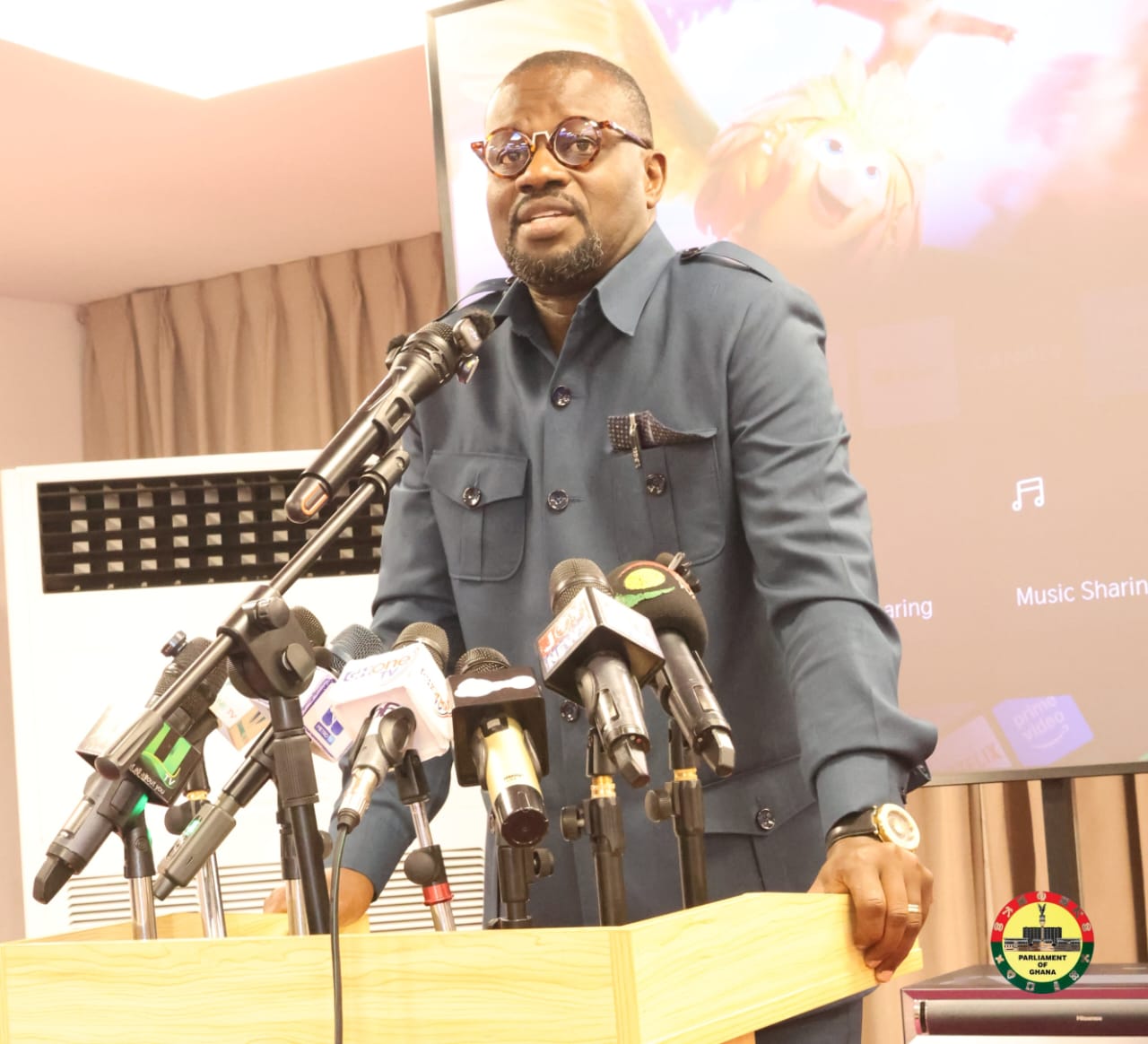
Minority Chief Whip and Member of Parliament for Nsawam-Adoagyiri, Frank Annoh-Dompreh, has renewed calls for a comprehensive review of Ghana’s disability legislation, insisting that persons living with disabilities are not seeking sympathy but rather the full protection, opportunities, and rights guaranteed to them under the law.
Speaking on the floor of Parliament on Tuesday, June 23, 2026, during a statement on disability issues presented by his colleague, the Deputy Minister for Education, Clement Apaak, Frank Annoh-Dompreh argued that the national conversation surrounding disability rights must move beyond emotional appeals and focus on ensuring equal opportunities for all citizens.
He stressed that persons with disabilities are demanding what is rightfully theirs under the Constitution and existing laws, not charity or special treatment.
The Nsawam-Adoagyiri MP recalled that Ghana has made significant progress over the years, particularly with the passage of the Persons with Disability Act, 2006 (Act 715), which was enacted after years of advocacy by disability groups and civil society organisations.
However, he noted that many persons with disabilities continue to feel that the support they receive remains inadequate and falls short of addressing the challenges they face daily.
According to him, disability advocacy groups have consistently highlighted three major areas that require urgent attention in any proposed amendment to the law.
The first is the introduction of an employment quota system that would guarantee at least five percent of jobs in both the public and private sectors for persons with disabilities.
He argued that such a measure would help address long-standing barriers to employment and economic participation.
Secondly, Annoh-Dompreh said disability groups are calling for partial and full tax exemptions to ease the financial burden on persons with disabilities.
He observed that Parliament has over the years approved numerous tax exemptions for corporate institutions and businesses, making it reasonable for vulnerable groups to receive similar considerations aimed at improving their quality of life.
The third major demand, he explained, is the establishment of stronger enforcement mechanisms to ensure compliance with disability laws.
He emphasized that institutions, companies, and individuals who fail to fulfil their legal obligations under the disability framework should face sanctions.
According to him, laws without enforcement provisions become ineffective, and Ghana must move beyond appeals and moral persuasion to legally enforce compliance.
Annoh-Dompreh also expressed disappointment that nearly two decades after the passage of Act 715, the Legislative Instrument (LI) required to operationalise the law has still not been fully implemented.
He described the delay as unfortunate and argued that the absence of the LI has weakened the effectiveness of the Act and denied it the necessary legal force to achieve its intended objectives.
The Minority Chief Whip further questioned the practice of limiting disability advocacy to commemorative events and ceremonial gatherings.
While acknowledging the presence of persons with disabilities in Parliament during the proceedings, he suggested that greater efforts should be directed toward addressing their everyday concerns in communities across the country rather than merely showcasing them during special occasions.
He welcomed reports that a revised disability bill and proposed amendments have already been submitted to Cabinet for consideration. Assuring disability groups of Parliament’s support, Annoh-Dompreh urged the government to expedite the review process and submit the amended legislation to Parliament for debate and approval.
While acknowledging efforts by President John Dramani Mahama’s administration, he maintained that more could be done to accelerate the passage of the revised law.
He therefore called on Cabinet to prioritise the matter and ensure that the long-awaited reforms are brought before Parliament without further delay.
His intervention adds to growing pressure from disability advocacy groups for Ghana to modernise its legal framework and create a more inclusive society where persons with disabilities enjoy equal access to employment, economic opportunities, social protection, and full participation in national development.