By Daniel Bampoe
The Minority in Parliament has launched a scathing attack on the Mahama administration’s 2026 Mid-Year Budget Review, dismissing the Finance Minister’s presentation as an “empty” document filled with rhetoric but lacking practical solutions to the country’s economic challenges.
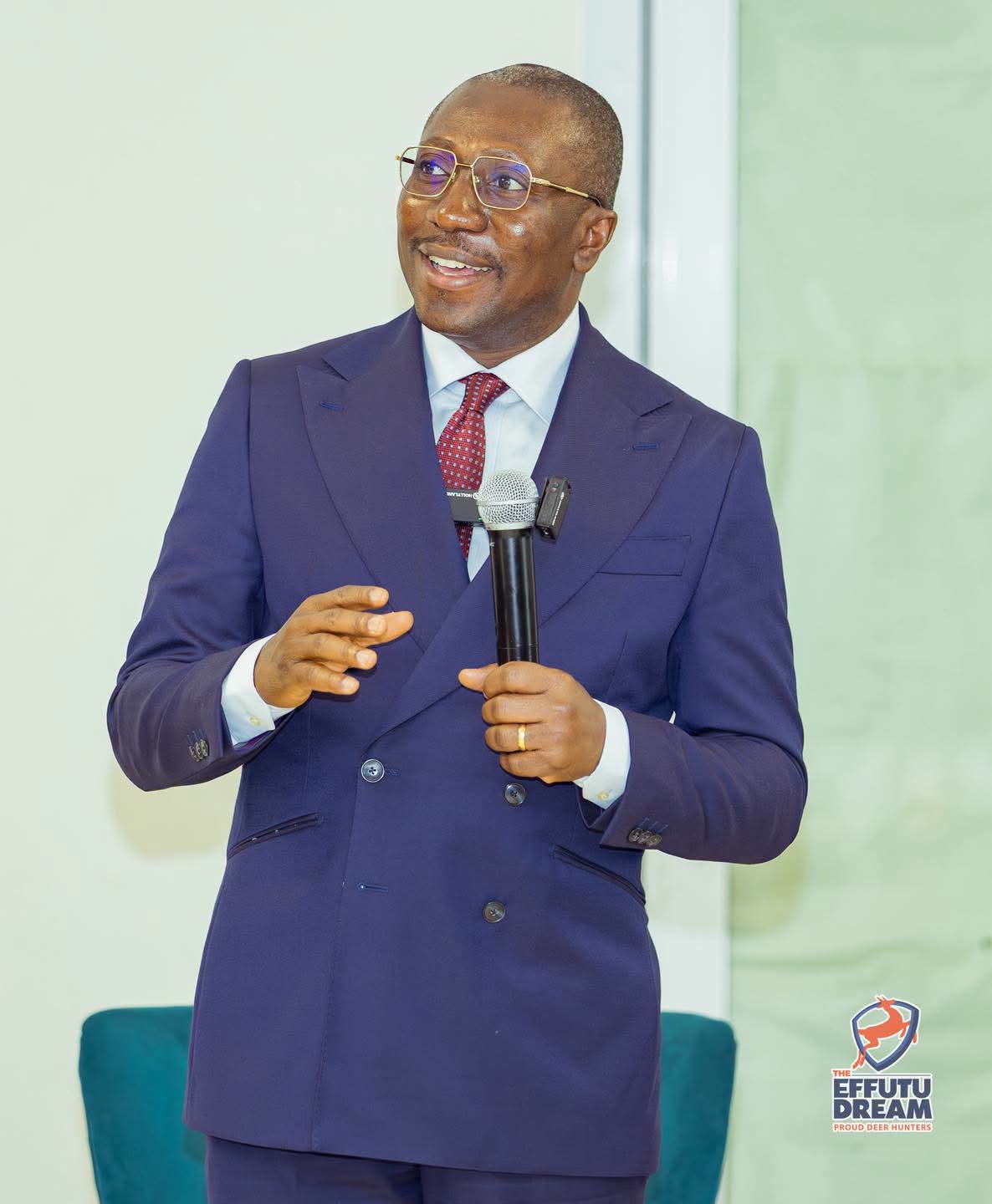
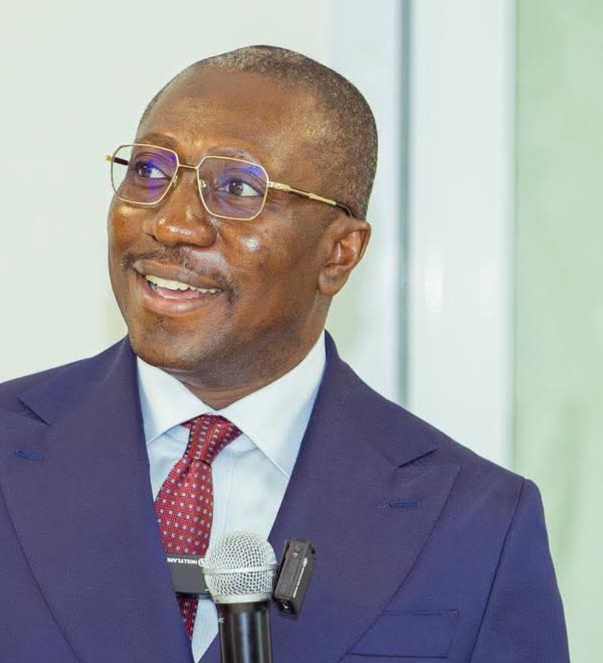
Leading the charge after Finance Minister Dr. Cassiel Ato Forson presented the Mid-Year Fiscal Policy Review to Parliament on Thursday, Minority Leader and Effutu MP, Alexander Kwamena Afenyo-Markin, argued that the government’s economic update failed to inspire confidence, lacked transparency on public expenditure, and ignored critical sectors of the economy, particularly the struggling cocoa industry.
The Minority’s criticism comes despite the Finance Minister touting what he described as impressive economic gains, including declining inflation, improvements in employment, a reduction in multidimensional poverty, progress in debt restructuring, and the government’s commitment to maintaining the 2026 budget without increasing the overall expenditure ceiling.
However, the opposition insisted that the review painted a picture that does not reflect the realities confronting ordinary Ghanaians.
Addressing Parliament, Afenyo-Markin described the budget review as “full of English with empty promises,” accusing the government of relying on political messaging instead of presenting concrete policy measures capable of improving livelihoods.
According to him, a Finance Minister should be judged by the impact of the policies implemented, rather than by the amount of money spent.
“The true measure of a Finance Minister is not how much he spends,” he stressed.
Minority Questions Government’s Spending Figures
The Minority Leader also questioned inconsistencies in the government’s expenditure figures, citing conflicting statements regarding funds released to the Ministry of Roads and Highways.
He recalled that a Deputy Finance Minister had earlier announced that GH¢1.6 billion had been released to the Agric Minister, yet the Finance Minister informed Parliament during the Mid-Year Review that only GH¢1.1 billion had been disbursed.
According to him, the conflicting figures raise concerns about transparency and accountability in the management of public finances.
“You are suffering, and you’ve been redundant in your various ministries. His Deputy Minister told the nation that GH¢1.6 billion was released to the Agric Minister. Today, he says only GH¢1.1 billion,” Afenyo-Markin stated.
Cocoa Sector Left Out
One of the strongest criticisms levelled against the government centred on the cocoa sector.
The Minority accused Dr. Ato Forson, who also supervises the cocoa sector, of failing to announce any new policy interventions to revive an industry that has experienced declining production, financial challenges at COCOBOD and growing concerns among cocoa farmers.
Afenyo-Markin argued that despite the hardships confronting cocoa producers, the Mid-Year Budget Review was silent on measures to improve their livelihoods.
“Throughout his review, there was no policy announcement for the cocoa sector. The four million cocoa farmers are suffering. Since he took over as the supervising minister responsible for cocoa, we have seen suffering and wailing, yet he comes here to lament,” he said.
The comments come against the backdrop of months of public debate over Ghana’s cocoa production, COCOBOD’s financial position and demands by farmers for better producer prices and increased government support.
Gold Policy Under Fresh Attack
The Minority Leader also revived concerns over the government’s Gold for Reserves policy, insisting that the administration ignored repeated warnings from the opposition regarding the implementation of the programme.
According to him, the Minority had cautioned government when charges under the Gold for Reserves and Bank of Ghana arrangements stood at 15 percent, but those concerns were allegedly dismissed.
He claimed that the International Monetary Fund (IMF) later compelled government to reduce the charges to nine percent, while the Bank of Ghana has subsequently announced its withdrawal from participation in the programme.
Afenyo-Markin further alleged that the policy had already resulted in losses estimated at GH¢9.6 billion, insisting that such outcomes contradict government’s claims of prudent economic management.
“What he has forgotten is that he refused good counsel from the Minority. Later, the IMF forced them to reduce it to nine per cent. Three days ago, the Governor announced that the Bank of Ghana was no longer going to participate in the Gold for Reserves programme. It’s too late. You’ve already incurred losses of GH¢9.6 billion. And you come here talking about prudent management of the economy?” he questioned.
Budget Review ‘Uninspiring’
The Minority maintained that the Mid-Year Budget Review failed to provide adequate details on government expenditure and payments, arguing that Parliament deserved greater accountability on how public funds have been utilised during the first half of the fiscal year.
According to Afenyo-Markin, government merely listed payments made without providing sufficient supporting information for Parliament to properly assess value for money.
“This review is full of English with empty payments. The payments they say they have made- why didn’t they provide the details? Mr. Speaker, this review is uninspiring, and there is no inspiration in it,” he argued.
The Minority Leader further accused the Mahama administration of focusing more on political persecution than governance, claiming that while government celebrated economic achievements, many Ghanaians continued to face economic hardship and political intimidation.
Background
The 2026 Mid-Year Budget Review was presented by Finance Minister Dr. Cassiel Ato Forson as an update on the implementation of the 2026 Budget Statement and Economic Policy.
The Finance Minister reported that inflation had fallen from 23.8 percent in December 2024 to 5.3 percent in June 2026, unemployment had declined, nearly 950,000 Ghanaians had moved out of multidimensional poverty within one year, and the government had achieved its statutory debt target ahead of schedule.
Dr. Forson also announced that the overall GH¢357.1 billion appropriation approved for the 2026 fiscal year would remain unchanged, although expenditure would be strategically realigned to support priority sectors.
He further assured domestic bondholders that government would honour the next GH¢10.8 billion Domestic Debt Exchange Programme coupon payment due on August 18, 2026, in full and on schedule.
Despite those assurances, the Minority insists the review offers little hope for struggling households and businesses, setting the stage for renewed political confrontation over the direction of Ghana’s economy as Parliament debates the Mid-Year Budget Review in the coming days.