By Nadia Ntiamoah
The National Democratic Congress government is coming under renewed pressure over the plight of unemployed graduates living with disabilities, with the Minority in Parliament accusing authorities of failing to translate Ghana’s legal protections for persons with disabilities into meaningful employment opportunities.
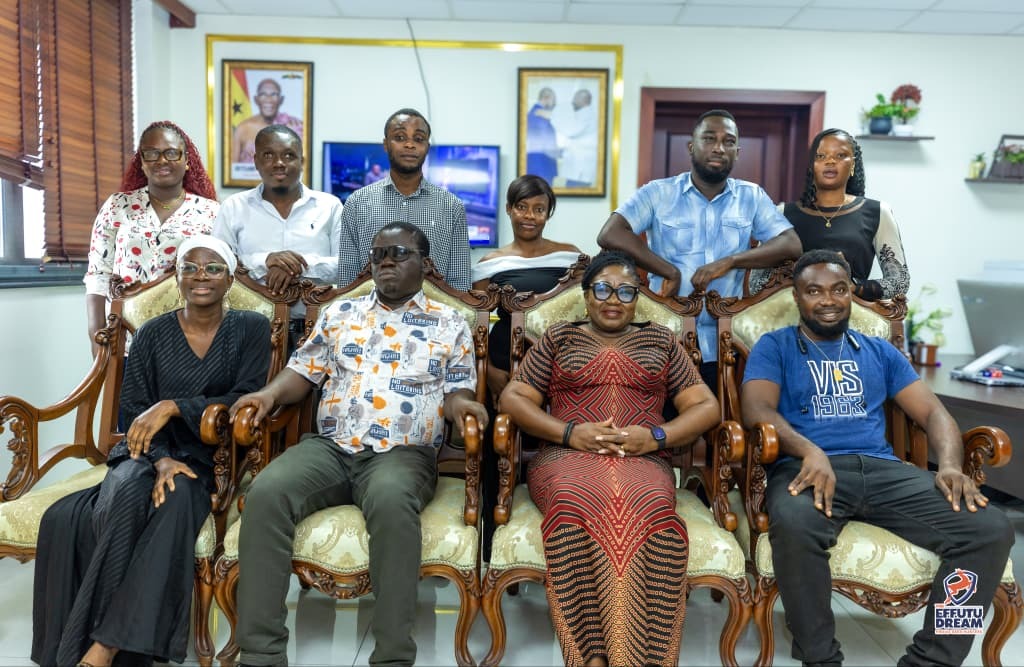
The pressure follows the presentation of a petition to the Minority Caucus by the Coalition of Unemployed Graduates with Disabilities on September 2, 2026, demanding urgent government action to address what they say is the continued exclusion of qualified persons with disabilities from employment opportunities.
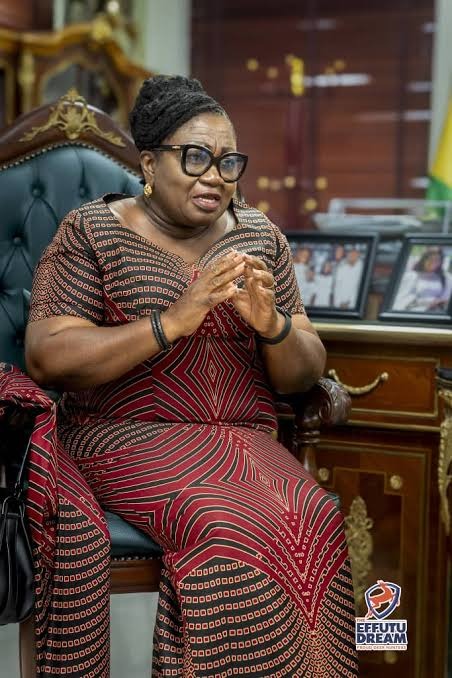
The petition, presented by the Coalition’s Convener, Gilbert Boateng Agyare, was received on behalf of the Minority by the Deputy Minority Leader and Member of Parliament for Asokwa, Patricia Appiagyei.
At the centre of the Coalition’s demands is a call for the immediate recruitment of qualified unemployed graduates with disabilities whose names have been captured on the Coalition’s verified list.
The group is also demanding strict enforcement of the employment quota for persons with disabilities in public-sector recruitment, arguing that existing legal provisions should result in actual jobs rather than remain largely on paper.
In addition, the Coalition wants the government to introduce stronger incentives for private-sector employers who recruit qualified persons with disabilities, a move it believes could expand employment opportunities beyond the public sector.
The Minority has described the petition as legitimate and grounded in the constitutional and statutory obligations, raising questions about why persons with disabilities continue to face difficulties securing employment despite the existence of laws specifically designed to protect their rights.
The Caucus pointed to Article 29 of the 1992 Constitution, which provides protections for persons with disabilities against exploitation and discrimination and directs Parliament to enact legislation necessary to give effect to those protections.
Parliament subsequently enacted the Persons with Disability Act, 2006 (Act 715), establishing a legal framework intended to promote the rights, welfare and participation of persons with disabilities in Ghanaian society.
The law requires the State, through public employment centres, to assist persons with disabilities to secure employment. It also provides tax rebates and special incentives for employers, both public and private, who employ persons with disabilities.
The Minority argues that these provisions raise an important question: if the law already provides mechanisms to facilitate the employment of persons with disabilities, why are qualified graduates within that category still struggling to find jobs?
The Caucus also invoked Article 17 of the Constitution, which permits affirmative measures designed to address social and economic imbalances.
According to the Minority, the demands being made by the Coalition fall squarely within the need to strengthen such affirmative measures.
The controversy therefore goes beyond the immediate petition and touches on the broader question of implementation. While Ghana has enacted laws intended to protect persons with disabilities, the Minority says there remains a significant gap between the rights guaranteed by legislation and the realities confronting people who are supposed to benefit from those protections.
For unemployed graduates with disabilities, the issue is particularly significant because years of education and professional training do not necessarily translate into access to employment. The Coalition’s petition seeks to compel authorities to move beyond policy commitments and take concrete steps to place qualified graduates into the workforce.
The Minority has consequently pledged to champion measures aimed at closing what it describes as the gap between the law as written and the law as experienced by persons with disabilities.
The Caucus also commended the Coalition for bringing its concerns through parliamentary channels and assured the group that its petition would receive the necessary attention.
The development puts the government under increased scrutiny over its handling of employment opportunities for persons with disabilities and could trigger fresh parliamentary discussions on whether existing employment protections are being adequately enforced.
At stake is not simply the question of employment for a group of graduates, but the credibility of Ghana’s commitment to enforcing laws that prohibit discrimination and promote equal participation in national development.
The Minority insists that disability should not become a barrier to economic opportunity and maintains that ability, competence and determination—not disability—should determine whether a qualified Ghanaian gets the opportunity to work and contribute to the country’s development.