BY ISSAH OLEGOR
President John Dramani Mahama has publicly stepped into the controversy surrounding the proposed teaching of foreign languages in Ghanaian schools, effectively distancing his administration from suggestions that Arabic, Chinese and other foreign languages are being made compulsory.
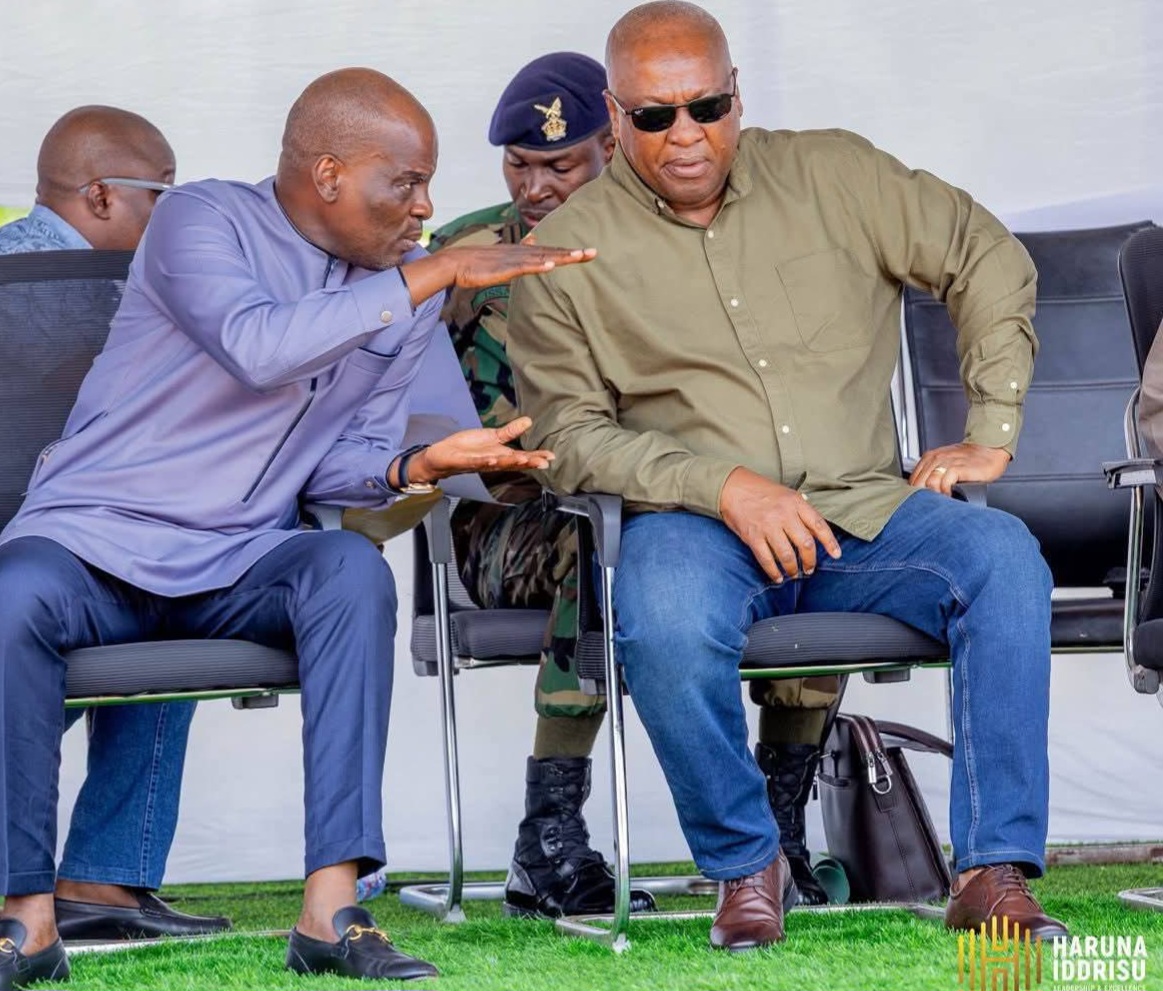
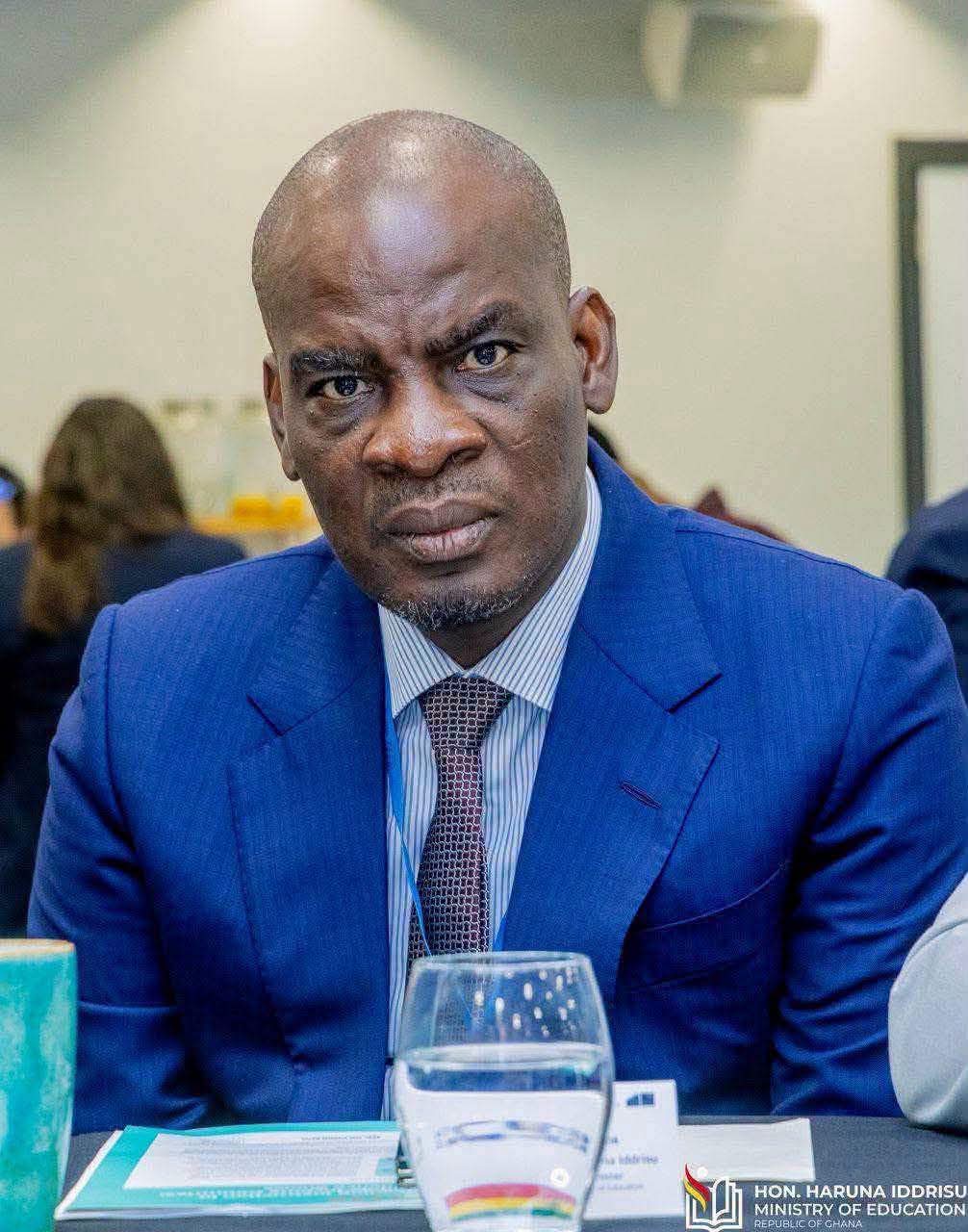
The President’s intervention has also raised questions about the messaging surrounding the government’s education reforms, particularly after Education Minister Haruna Iddrisu outlined plans involving foreign-language learning at the Senior High School level.
While the government maintains that there is no approved policy compelling pupils in basic schools to study Arabic or Chinese, the conflicting public interpretations of the proposed reforms have triggered widespread debate especially among religious leaders, forcing the President to personally clarify the position.
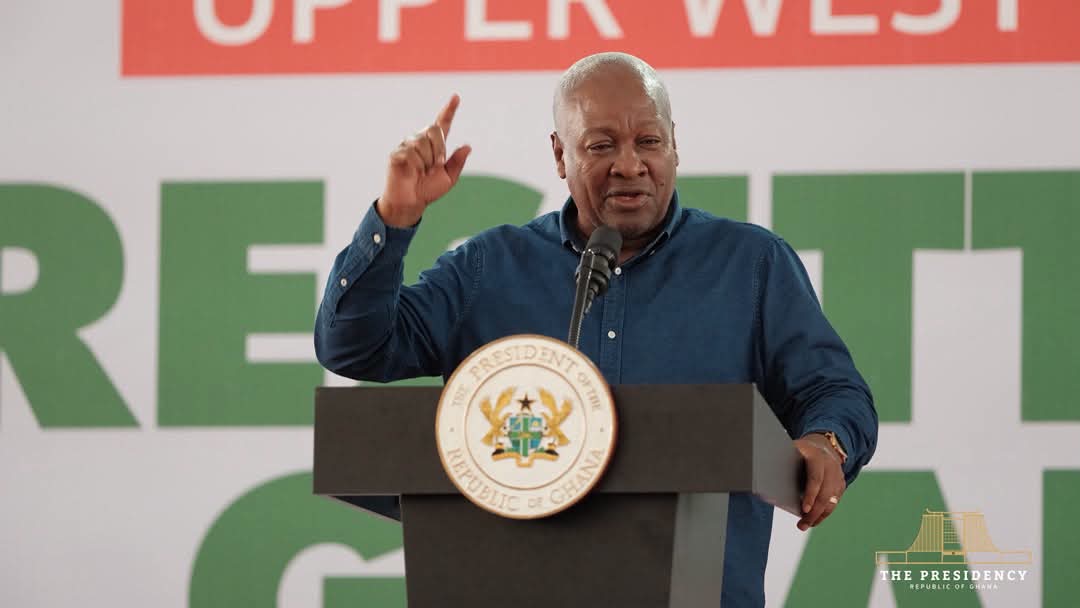
President Mahama speaking in Wa over the weekend stated that Cabinet has not approved any policy making Arabic or Chinese compulsory in public schools, urging Ghanaians to put the controversy to rest.
The President’s clarification comes after social media discussions and public commentary created the impression that the government was preparing to introduce Arabic and Chinese as compulsory subjects across the education system.
However, what the president did not indicate is that teachers are already going through training to implement the new language policy.
The President said there is “absolutely no new policy” to introduce Arabic and Chinese into the school system and wanted Ghanaians to put the matter to rest because Cabinet has not approved it.
But before that statement, his Minister for Education had already said publicly that Chinese and Arabic would become compulsory foreign languages at the secondary school level and linked that directly to the President’s own vision. By then, he had already commissioned National Council for Curriculum and Assessment (NaCCA) to begin the curriculum work, meaning it has been planned. It was not something the public invented. The process was already underway when the Minister spoke.
NaCCA went on to develop the revised basic school curriculum, involving 160 writers and reviewers over several months. In July 2026, the curriculum was presented to the Minister. It included Arabic and Chinese among the foreign language options. The Minister then referred it to GES for further review and input for his final implementation decision.
When questions were raised, Government did not say these languages had never been under consideration.
Then, on 3 September, NaCCA trained teachers to implement the new Chinese language curriculum.
This strongly indicates that the president acted forcefully to parry the pressure on the language options controversy and subsequently throw Haruna Iddrisu, the Education Minister under the bus.
Mahama Questions Chinese Proposal
In addressing the controversy, President Mahama reportedly expressed particular scepticism about the idea of introducing Chinese into the school curriculum on a compulsory basis.
He questioned the practicality of such a move at a time when the country continues to face challenges providing sufficient teachers for subjects already being taught.
The President pointed specifically to French, which he described as an important language for Ghana because of the country’s geographical position among Francophone neighbours.
According to him, Ghana has not yet fully resolved the challenge of providing enough teachers to effectively teach French.
He questioned why the country would move to introduce Chinese when it was still struggling to deal with shortages in French language instruction.
He reportedly asked where Ghana would obtain enough qualified Chinese teachers if the subject were to become compulsory, highlighting the logistical and human-resource challenges such a policy would create.
The remarks have added a new dimension to the debate, particularly because Education Minister Haruna Iddrisu has been advocating broader foreign-language exposure for Ghanaian students.
Haruna’s Foreign-Language Plan
Iddrisu’s position, however, has been that the government’s education reforms are aimed at equipping Ghanaian students with skills that will make them more competitive in an increasingly interconnected global economy.
Under the framework being considered for Senior High Schools, students from SHS Form Two could be given the opportunity—or under the proposed framework, an expectation—to select a major foreign language.
The languages mentioned include French, German, Spanish, Arabic and Chinese.
However, the proposal is not presented as a blanket policy requiring every school to teach every foreign language regardless of capacity.
Its implementation would depend on the availability of qualified teachers and the necessary educational resources.
This distinction has become central to the controversy because public discussions have often merged the proposed SHS foreign-language framework with the separate reforms concerning language instruction at the basic-school level.
How Arabic Became Part of the Debate
The controversy over Arabic has also been linked to the existence of schools that already combine English and Arabic instruction.
President Mahama explained that the establishment of particular English-Arabic schools dates back to the administration of former President Jerry John Rawlings, when such institutions were introduced to help Muslim communities access formal education.
According to the President, teacher-training arrangements for Arabic exist in connection with such schools.
He therefore rejected the interpretation that the government was introducing a new blanket requirement for Arabic instruction across all public schools.
Political Fallout Over Haruna’s Messaging?
President Mahama’s direct intervention has nevertheless created an interesting political and administrative dynamic.
The Education Minister has been at the forefront of implementing and explaining the government’s education reforms, including the proposed approach to foreign languages.
But with the President now stressing that Cabinet has not approved a policy making Arabic or Chinese compulsory, questions are likely to remain over how the proposals were communicated and how the public arrived at the impression that such a policy was already in force.