BY DANIEL BAMPOE
The Iustum Center for Democracy and Governance (ICEDEG Africa) has called for a review of the ECOWAS Regional Competition Framework to strengthen consumer protection and provide more effective avenues for consumers to obtain compensation when they suffer harm.
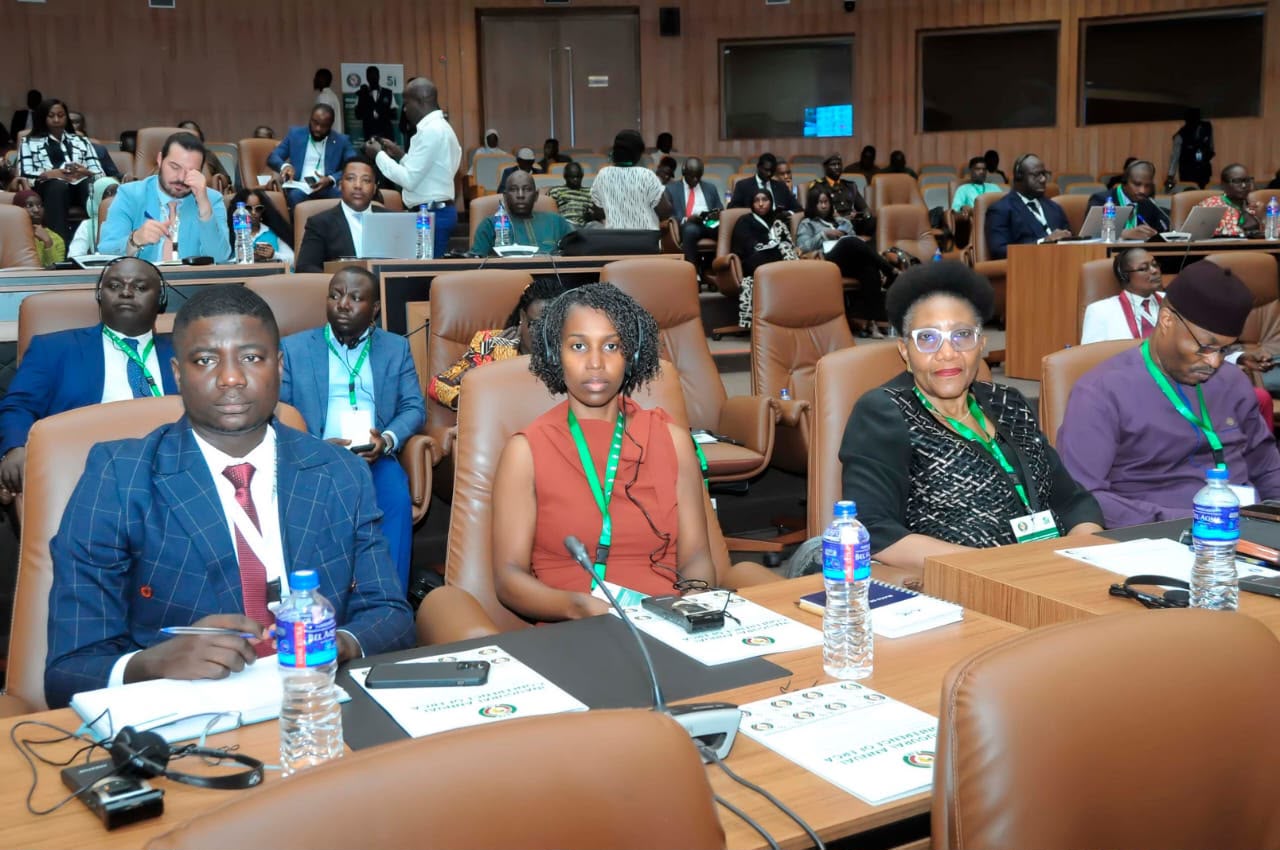
The call was made at the Inaugural Annual Conference of the ECOWAS Regional Competition Authority (ERCA) in Banjul, The Gambia, where the Chairman of the Advisory Council of ICEDEG Africa, Nana Kwasi Asuman-Frimpong, represented the organisation and presented a paper on “The Role of Civil Society Organisations (CSOs) in the Enforcement of Consumer Rights under the ECOWAS Regional Competition Framework.”
The presentation focused on the role civil society and consumer organisations could play alongside state institutions in enforcing consumer rights across the ECOWAS sub-region.
Nana Asuman-Frimpong argued that the existing approach to addressing consumer harm remains heavily centred on public enforcement, which can result in consumers suffering losses without receiving direct compensation, restitution or other forms of redress.
According to him, consumers frequently experience relatively small but widespread forms of harm. While the combined impact of such harm may be significant, individual consumers may find that the value of their claims does not justify the financial and procedural costs associated with litigation.
This situation, he said, often leaves consumers with little choice but to abandon their claims.
In the Ghanaian context, he noted, some consumers effectively leave such matters to fate, popularly captured in the expression “Fa ma Nyame.”
Nana Asuman-Frimpong identified several structural challenges affecting effective consumer redress within West African markets.
These include high levels of informality in markets, information asymmetry between consumers and businesses, fragmented and outdated legal regimes, limited access to redress mechanisms and overlapping institutional mandates.
He also pointed to the growing complexity of digital and cross-border markets, which he said presents additional challenges for conventional consumer protection systems.
While public authorities have powers to investigate violations, enforce regulatory requirements and impose sanctions, he argued that such enforcement does not necessarily guarantee that consumers who suffered the harm will receive restitution, compensation, repairs, replacements or other remedies.
Call for Private Collective Enforcement
At the centre of ICEDEG Africa’s proposal is the introduction of Private Collective Enforcement (PCE) as a complement to existing public enforcement mechanisms.
Nana Asuman-Frimpong explained that PCE would allow qualified private actors, including recognised consumer organisations, associations and appropriate civil society groups, to aggregate individual consumer claims and pursue representative actions in the collective interest of affected consumers.
Such an arrangement, he argued, could address the problem of consumers having claims that are individually too small to justify litigation but collectively represent substantial and potentially systemic harm.