BY GRACE ZIGAH
Ghana’s preparations to host the 2027 TotalEnergies CAF U-20 Africa Cup of Nations are facing growing scrutiny, with concerns over funding commitments, stadium readiness and the apparent lack of visible infrastructure improvements raising questions about the country’s ability to deliver the continental tournament on schedule.
The Confederation of African Football (CAF) awarded Ghana the hosting rights in April 2026, with the competition scheduled for March 2027. The tournament is expected to form part of activities marking Ghana’s 70th Independence anniversary, offering the country an opportunity to showcase its football heritage and organisational capacity.
However, with the competition approaching, concerns are mounting over the reported absence of major, publicly documented upgrades at the proposed venues. The situation has placed the spotlight on the government, the Ghana Football Association (GFA) and the authorities responsible for managing the country’s major sporting facilities.
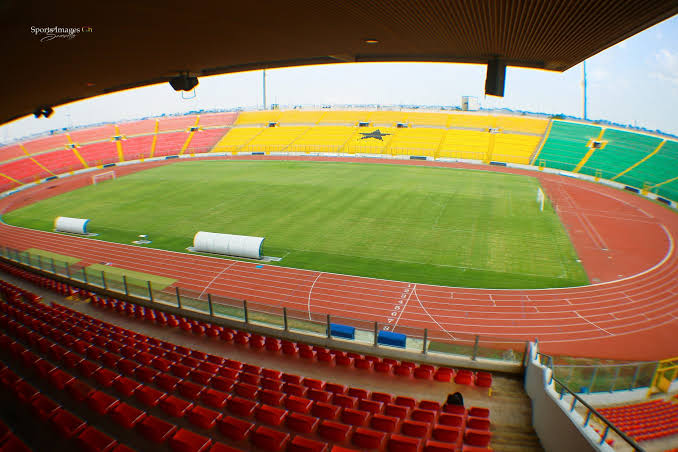
Although CAF has not announced any decision to withdraw Ghana’s hosting rights, the concerns have raised questions about whether the necessary financial and logistical arrangements will be completed in time. Baba Yara Stadium in Kumasi, Cape Coast Stadium and the University of Ghana Stadium have been earmarked as venues for the competition, while the Accra Sports Stadium is also being considered.
These facilities will require appropriate preparation to meet CAF’s standards for hosting an international youth tournament. Such preparations typically involve ensuring that playing surfaces, dressing rooms, media facilities, security arrangements and other essential infrastructure are suitable for the competition.
The concern surrounding preparations is that, despite the tournament’s approaching start date, there has been no publicly documented evidence of major infrastructure upgrades at the proposed venues.
The condition of the stadiums and the extent of work required to bring them up to the necessary standard could therefore become central to assessments of readiness.
Another issue raised is the continued use of some stadium facilities for concerts, church conferences and other non-football activities. Such events can place pressure on playing surfaces and stadium infrastructure, depending on how the facilities are used and maintained.
However, the concerns about stadium usage do not, on their own, establish that any of the proposed venues have failed CAF’s inspection requirements.
Beyond the condition of the stadiums, the apparent lack of publicly demonstrated progress on funding has emerged as another major concern.
Preparing a country to host a continental tournament requires financial commitments covering venue upgrades, logistics, security, transportation, accommodation and other operational needs.
The Ghana Football Association is also likely to face questions about coordination with the government, stadium managers and other stakeholders to ensure that the tournament proceeds without disruption.
At this stage, however, the supplied information does not establish the precise amount of funding required, how much has been approved or released, or whether the government has formally failed to meet a specific financial deadline.
Those details would be important in determining the actual extent of the reported funding challenges.
The situation has become more pressing because of a reported requirement that host facilities be ready five months before kick-off.
If that requirement applies to Ghana’s 2027 tournament, the authorities would have a limited period to demonstrate substantial progress before the competition begins in March.
Meeting such a deadline would require clarity on the scope of work at each venue, the availability of funding, the appointment of contractors where necessary and the monitoring of construction or renovation activities.
It would also require coordination between the GFA, the government, CAF and the institutions responsible for the selected stadiums.
Nevertheless, the reported five-month requirement would need to be confirmed against the specific regulations and deadlines applicable to the tournament before it can be treated as a definitive CAF deadline.
Ghana has a significant history in the U-20 Africa Cup of Nations. The country last hosted the competition in 1999, when the Black Satellites won the title on home soil.
That triumph remains an important chapter in Ghanaian football history, making the opportunity to host the tournament again particularly significant.The 2027 edition would give Ghana another chance to welcome the continent’s emerging football talents while providing the Black Satellites with the opportunity to compete in front of home supporters.