By Issah Olegor
The Governor of the Bank of Ghana, Dr Johnson Pandit Asiama, has announced a package of professional development opportunities and incentives aimed at strengthening economic and financial journalism in Ghana.
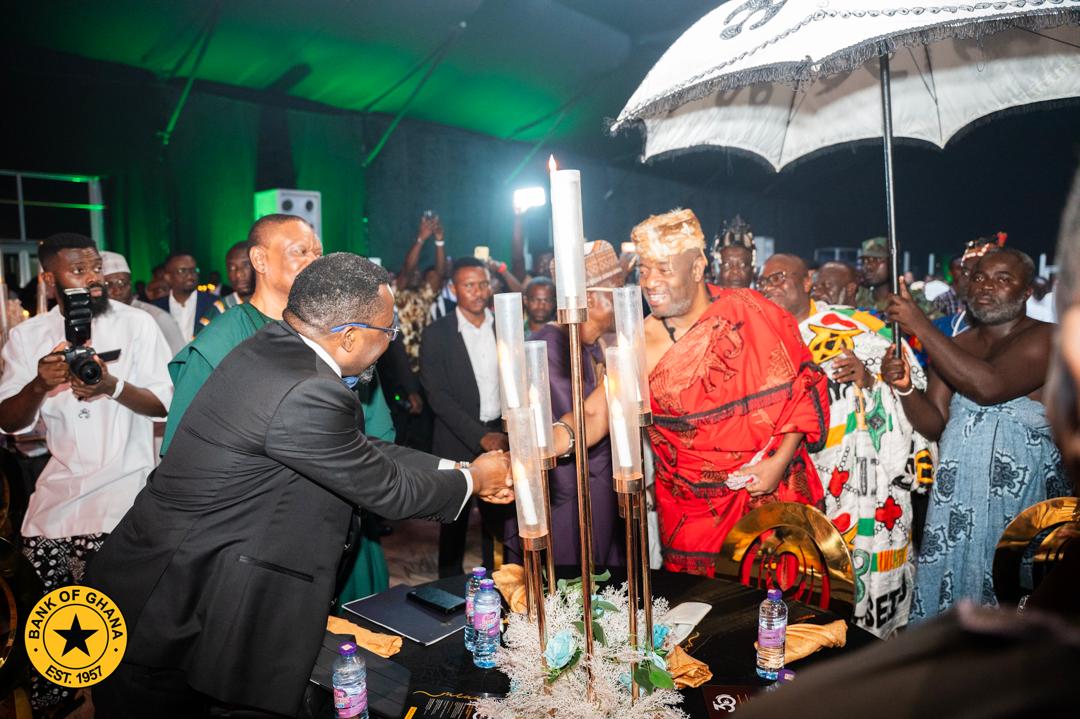
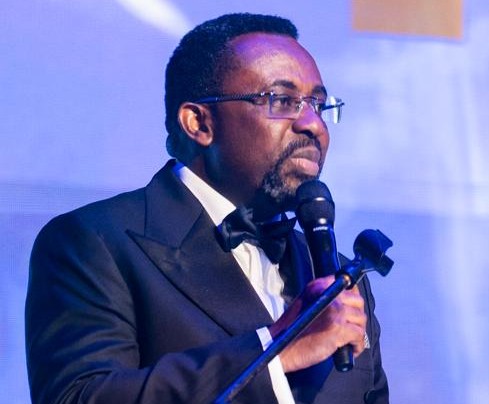
Speaking at the 30th Ghana Journalists Association (GJA) Media Awards at the Palms Convention Centre of the La Palm Royal Beach Hotel on Saturday, November 7, 2026, Dr Asiama said the Bank of Ghana remained committed to supporting quality journalism, particularly in the coverage of economic and financial developments.
One of the key initiatives highlighted by the Governor was the Bank of Ghana’s Governor’s Economic and Financial Story of the Year Award, which seeks to encourage journalists to produce high-quality reports that improve public understanding of economic issues, promote financial literacy and contribute meaningfully to national policy discussions.
Dr Asiama disclosed that the award package includes sponsorship for the eventual recipient to attend either the International Monetary Fund (IMF) and World Bank Spring Meetings or Annual Meetings, providing an opportunity to interact with international policymakers, researchers and financial sector leaders.
The winner will also receive a laptop computer and a one-year internet data subscription as part of the package.
Beyond these incentives, the Governor announced additional professional development opportunities, including fellowships with internationally recognised institutions such as the Thomson Foundation and the Reuters Institute for the Study of Journalism, as well as accredited local journalism training centres.
He further revealed that scholarship opportunities would be made available to support further studies in media, communications and journalism-related disciplines. Professional exchange programmes with internationally renowned media organisations, including Bloomberg and Reuters, would also form part of the opportunities.
According to Dr Asiama, the initiative is designed to invest in the capacity of journalists and improve the quality of economic and financial reporting in the country.
Addressing the gathering, which was attended by President John Dramani Mahama as Special Guest of Honour, the Ga Mantse, King Tackie Teiko Tsuru II, the Speaker of Parliament, the Chief Justice, members of the diplomatic corps and other distinguished personalities, the Governor congratulated the GJA for sustaining the tradition of recognising excellence in journalism over the past three decades.
He described the 30th edition of the awards as a significant milestone in celebrating the dedication, professionalism and contributions of Ghanaian journalists to national development.
Dr Asiama noted that a free, responsible and professional media remained indispensable to the country’s democratic development, particularly in promoting accountability, strengthening public discourse and ensuring that citizens had access to credible information.
He said this year’s theme, “Celebrating Excellence, Advancing Media Freedom and Combating Hate Speech in the Digital Age,” was particularly relevant given the rapid transformation of the global media landscape through technology and digital platforms.
While acknowledging that digital platforms had created unprecedented opportunities for citizens to access and share information, he cautioned that the development had also introduced serious challenges, including misinformation, disinformation, online abuse, misleading data and hate speech.
The Bank of Ghana Governor stressed that professional journalism continued to serve as an important guide for society by helping citizens distinguish facts from falsehood, evidence from speculation and informed analysis from sensationalism.
He maintained that journalists had a critical responsibility to promote national unity, encourage informed discussions and protect democratic principles through accurate and responsible reporting.
Turning his attention to the relationship between the media and the central bank, Dr Asiama described journalists as important partners in communicating economic and financial policies to the public.
He explained that issues such as monetary policy decisions, inflation trends, financial sector reforms, exchange rate movements and digital financial innovations were often complex, requiring accurate and balanced reporting to make them understandable to ordinary citizens.
According to him, effective communication remained one of the most important responsibilities of modern central banks because policies could only achieve their intended impact when the public understood them.
He therefore emphasised the importance of transparency, credibility and accountability in the Bank of Ghana’s engagement with stakeholders, particularly media practitioners.
Dr Asiama also acknowledged the growing sophistication of Ghanaian journalists in covering business, finance and economic policy, noting that investigative reports, analytical features, broadcast discussions and digital storytelling had significantly improved public understanding of issues affecting livelihoods and national prosperity.
He reiterated that the Bank of Ghana would continue supporting initiatives that recognise and promote excellence in economic and financial reporting.
The Governor congratulated all nominees and award recipients, commending them for their contributions to informing, educating and holding public institutions accountable.
He also expressed appreciation to the leadership of the Ghana Journalists Association for its continued efforts in promoting professional standards and defending media professionalism.
Dr Asiama urged journalists and other stakeholders to work together to protect media freedom, encourage responsible digital engagement and build a more informed, inclusive and prosperous Ghana.
He concluded by calling for sustained efforts to celebrate journalistic excellence and strengthen the media’s contribution to national development.