By Nadia Ntiamoah
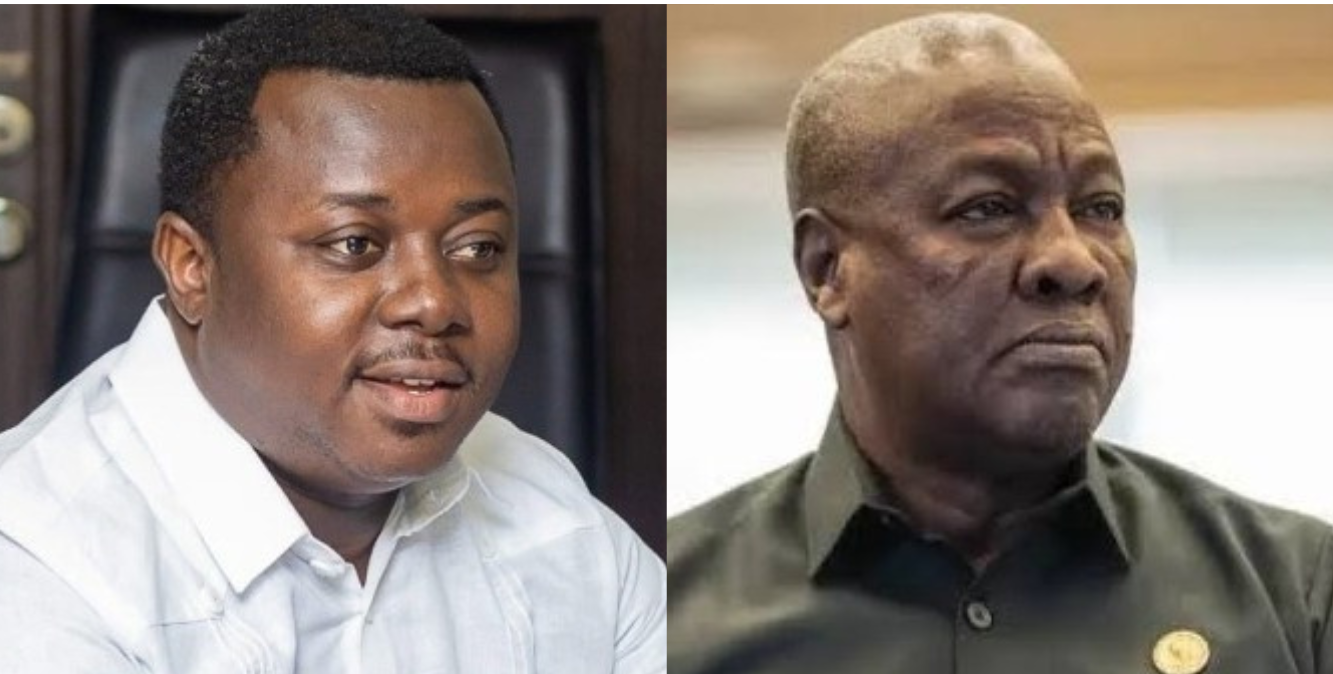
The Ranking Member on Parliament’s Defence and Interior Committee, Rev. John Ntim Fordjour, has mounted fresh pressure on President John Dramani Mahama to take decisive action against international narcotics trafficking networks allegedly exploiting Ghana’s ports and export channels, warning that the country’s once-respected international reputation is rapidly deteriorating amid a series of major cocaine seizures overseas.
The Assin South Member of Parliament says the recurring interception of cocaine consignments linked to Ghana under the current National Democratic Congress (NDC) administration raises serious questions about the government’s commitment to fighting drug trafficking and protecting the country’s national security.
In a strongly worded post on X on Thursday, November 12, 2026, Rev. Ntim Fordjour challenged President Mahama to account for the outcome of investigations he ordered into the alleged cocaine flights involving Gran Canaria and questioned whether the President’s earlier commitment to a zero-tolerance approach to narcotics trafficking had produced any meaningful results.
His intervention follows the latest seizure of approximately 2,600 kilogrammes of cocaine concealed in a shipment of coconuts originating from Ghana, intercepted by Spanish authorities at the Port of Valencia.
The Spanish operation, announced on November 11, resulted in the arrest of two men in Almería after investigators tracked the containers from Valencia to a warehouse at the La Juaida industrial estate. The cocaine had reportedly been hidden beneath specially constructed false compartments in wooden crates used to transport the coconuts.
Addressing President Mahama directly, the lawmaker questioned what had happened to the investigations ordered into the alleged Gran Canaria cocaine flights and accused the administration of allowing Ghana’s name to become increasingly associated with international narcotics trafficking.
He argued that since the President’s April 1, 2025, public commitment to tackling drug trafficking, major narcotics interceptions involving Ghana-linked shipments had continued to occur almost every month, with consignments worth hundreds of millions of dollars intercepted in foreign jurisdictions.
The Assin South MP further claimed that more than US$3 billion worth of drugs linked to Ghana had been seized overseas during the current administration, while several other consignments might have passed through international supply chains undetected.
Although the figure represents Rev. Ntim Fordjour’s assessment, rather than an independently established official total, it underscores the scale of the concerns being raised by the opposition over the country’s growing exposure to international drug trafficking investigations.
A major concern raised by the Defence and Interior Committee Ranking Member is the reported position as the fifth-largest country of origin for cocaine seized at Belgium’s Port of Antwerp in 2025.
The ranking, which was reported by JoyNews Research based on Belgian customs data, identified Ghana as the only African country among the five leading countries of origin for cocaine consignments intercepted at the port.
However, the classification refers to the country from which the shipments were dispatched and does not necessarily mean that the cocaine was produced in Ghana. Investigations have indicated that some of the drugs concealed in Ghanaian exports originated from South America before being transported through the country’s commercial shipping channels.
Rev. Ntim Fordjour believes the repeated association of Ghana with such seizures is gradually eroding the country’s reputation as a nation that has traditionally maintained a strong stance against narcotics trafficking.
He warned that the country’s international image continues to deteriorate while the government has yet to demonstrate the level of urgency required to dismantle the networks responsible.
However, the opposition has questioned the implementation of the proposed measures, particularly as subsequent interceptions have continued to emerge in Lebanon and Spain.]