
BY Daniel Bampoe
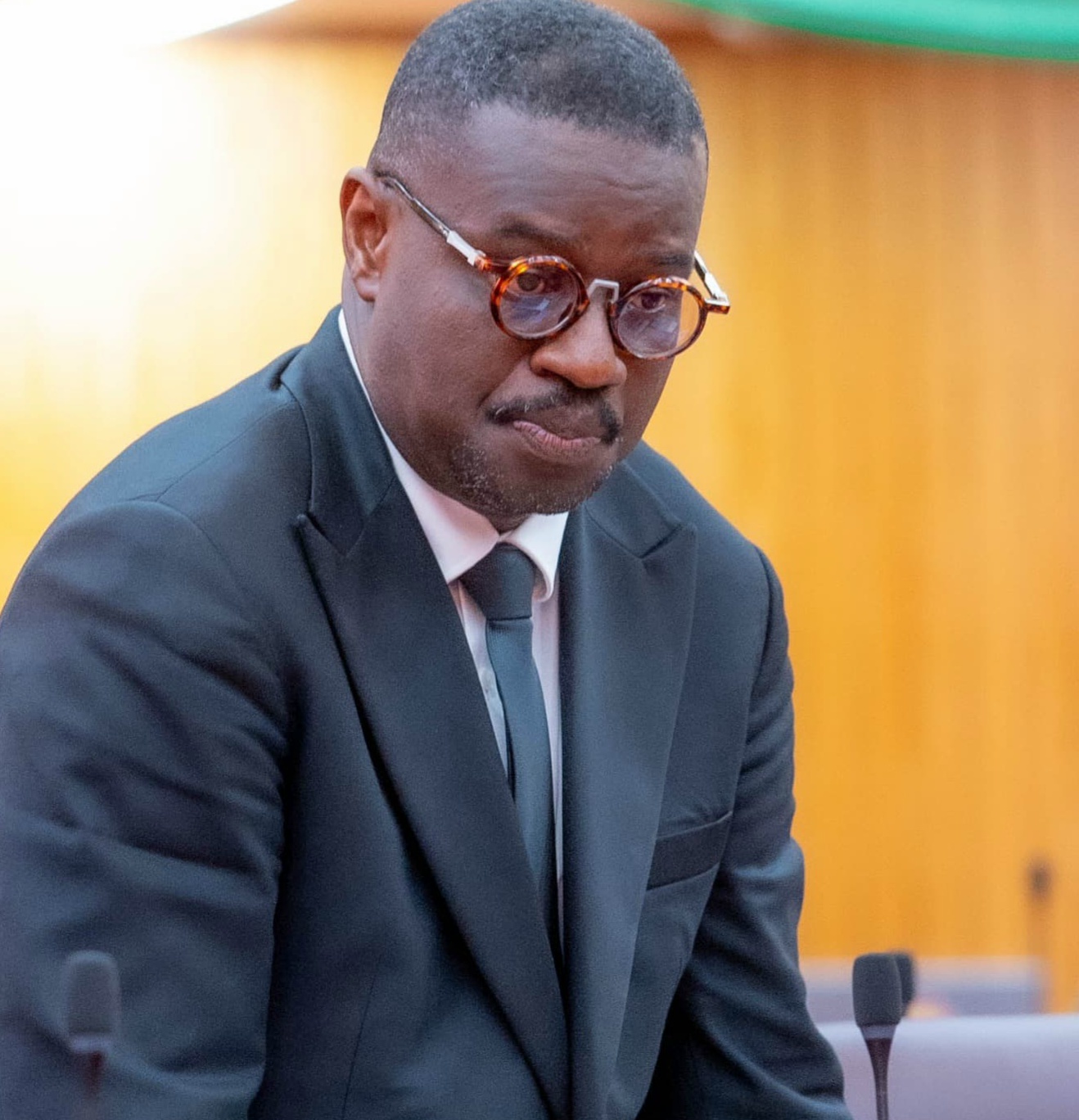
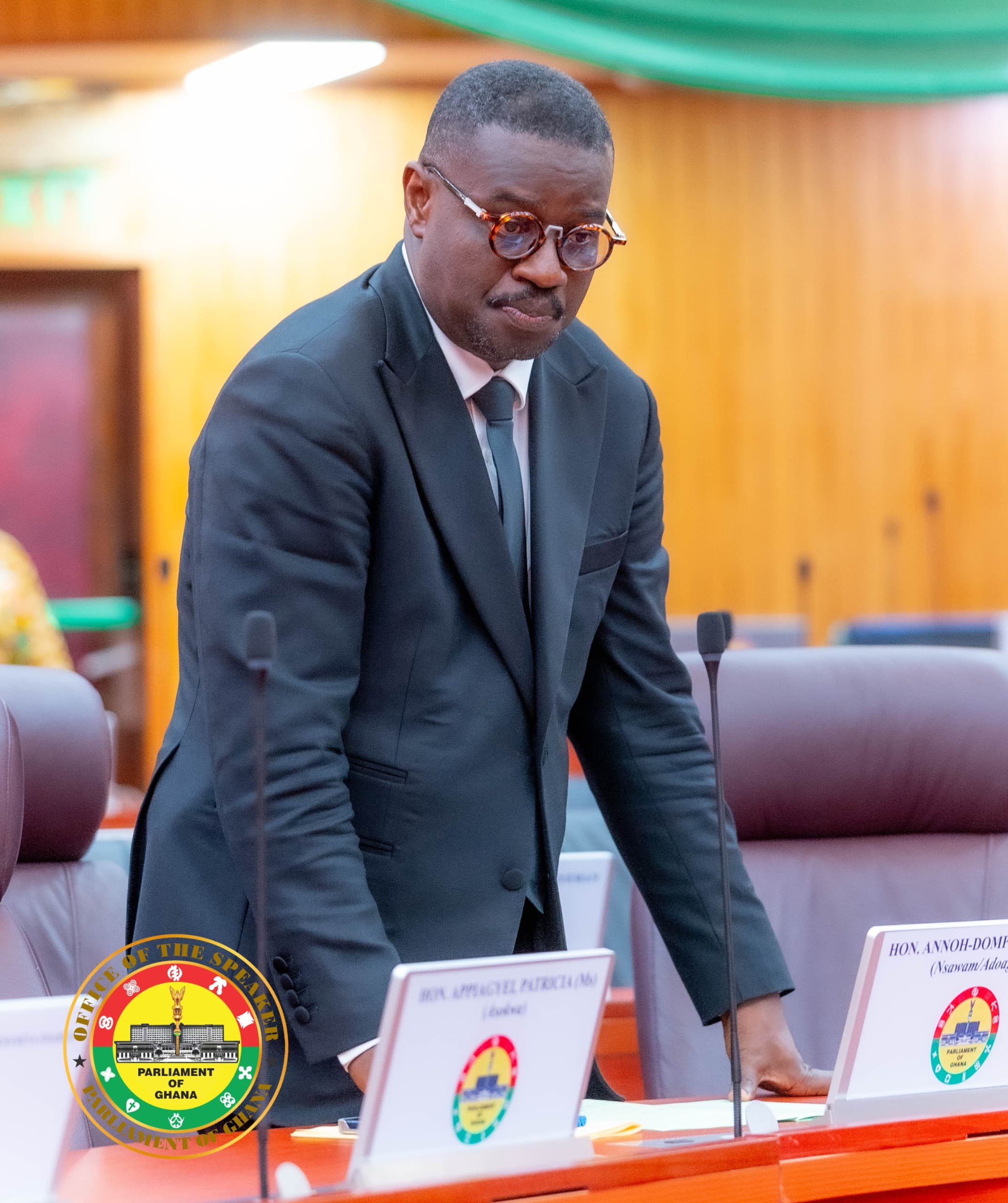
The Minority Chief Whip and Member of Parliament for Nsawam-Adoagyiri, Hon. Frank Annoh-Dompreh, has called for Ghana’s agricultural challenges to be given specific attention under a treaty aimed at supporting private sector growth, warning that broad commitments in international agreements must translate into practical solutions for local economic problems.
Speaking on the floor of Parliament on Tuesday during deliberations on the report on the agreement, Annoh-Dompreh acknowledged the treaty’s importance but cautioned against Ghana signing international agreements without ensuring their provisions reflect the country’s unique circumstances and development priorities.
He said although the agreement promises technical and institutional support as w,ell as assistance in areas of strategic importance, such broad commitments must be clearly defined to demonshowthey will address the challenges confrfacingnesses and key sectors of the economy.
The Nsawam-Adoagyiri MP particularly drew attention to the difficulties facing farmers across the country, noting that Ghana was experiencing a situation where agricultural produce was being harvested in large quantities but farmers were struggling to find buyers and markets for their produce.
According to him, the absence of adequate funding to purchase locally produced staples was worsening the plight of farmers, with some agricultural produce left to rot on farms while producers struggled to recover their investments.
He argued that if the treaty was intended to make funding available to support private sector development, Ghana should explore opportunities to channel such resources into purchasing locally produced food staples and strengthening the agricultural value chain.
Annoh-Dompreh said the country’s genuine agricultural concerns should have been clearly communicated and incorporated into the implementation of the agreement to ensure that the expected support responds to the realities confronting farmers.
“It is pathetic that today, if you visit the agrarian areas, regions of our country, our farmers are crying. The staples are getting rotten on our farms,” he stated, stressing that the situation could no longer be overlooked.
He further referred members of the House to specific provisions of the agreement, particularly bullet points 7.5 and 7.1, which he said were directed towards supporting private sector growth and agribusiness.
He maintained that such provisions should not remain as broad policy statements but must be developed into concrete interventions with clearly defined outcomes for businesses and agricultural producers.
The Minority Chief Whip insisted that Ghana must be deliberate in negotiating and implementing international agreements to ensure that they address the country’s pressing economic needs rather than merely adopting general commitments that may not produce meaningful results.
Despite his reservations, Annoh-Dompreh encouraged his colleagues to support the adoption of the committee’s report and the eventual passage of the agreement.
He, however, urged government to take his recommendations seriously by ensuring that the treaty’s implementation provides practical support for farmers, particularly those struggling to secure markets for their produce.


