Nadia Ntiamoah
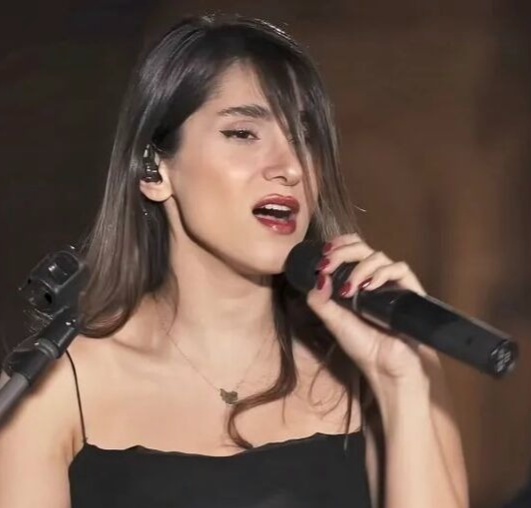
Iranian singer Parastoo Ahmadi has reportedly received 74 lashes after being convicted over an online musical performance in which she appeared without wearing a hijab, in a case that has reignited international criticism of Iran’s restrictions on women’s freedom of expression and artistic activities.
The 29-year-old singer was reportedly flogged alongside four members of her production team in the city of Qom on Monday, November 23, 2026, following a court ruling linked to the performance, which was published online and attracted millions of views.
According to reports by the Daily Mail and other media outlets, the five individuals each received 74 lashes after being found guilty of offences described by the authorities as “offending public decency by producing and publishing obscene and immoral content online”.
In addition to the corporal punishment, the court reportedly imposed two-year restrictions on their participation in artistic and musical activities and prohibited them from travelling outside Iran.
The case stems from an online concert in which Ahmadi performed traditional Iranian songs without a headscarf, wearing a sleeveless dress while accompanied by male musicians.
The performance was recorded without a physical audience but was subsequently uploaded online, where it reportedly attracted millions of viewers. Its widespread circulation brought renewed attention to Iran’s strict regulations governing women’s clothing and the participation of female performers in public musical activities.
Ahmadi’s decision to appear without the mandatory hijab was considered a violation of Iran’s dress regulations, while the presence of male musicians alongside her also raised issues under the country’s restrictions on women’s musical performances.
Iran has maintained compulsory hijab rules for women since the 1979 Islamic Revolution, requiring women to cover their hair in public. The country’s regulations have also placed significant restrictions on female singers, particularly concerning solo performances and singing before mixed-gender audiences.