–By Issah Olegor
In a high-stakes standoff between the government of President John Mahama and Ghana’s striking nurses and midwives, state officials have firmly rejected union demand for immediate implementation of improved service conditions, citing dire economic consequences.
With over 120,000 nurses and midwives across the country currently on strike, the government has described their demands as economically suicidal, warning that fully accommodating them would trigger a collapse of the fragile national economy.
At the heart of the tension is the 2024 Collective Agreement signed between the Ghana Registered Nurses and Midwives Association (GRNMA) and the government, which includes new salary structures, allowances, and benefits.
Implementation was scheduled for July 2024 but stalled due to legal action from a breakaway faction within the profession.
Although the injunction was lifted earlier this year, government officials now claim the agreement was not captured in the 2025 budget.
GH¢2bn Burden
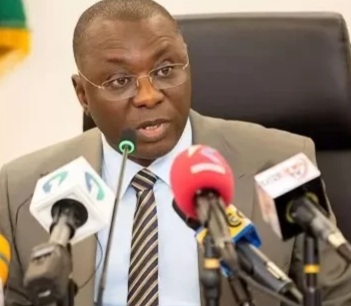
Speaking at a joint press briefing at the Jubilee House on Tuesday, June 10, 2025, Deputy Finance Minister, Thomas Nyarko Ampem delivered the government’s most direct warning yet.
“We have over 120,000 nurses, and if we fully implement the current conditions of service they’re demanding, it will add over GH¢2 billion to the compensation budget,” he said.
Thomas Ampem stressed that such an addition would cripple Ghana’s macroeconomic management, especially in light of the Mahama administration’s commitment to maintaining a 1.5% primary balance surplus under the IMF Extended Credit Facility programme.
“This will have serious consequences on the economy, particularly on efforts to bring Ghana’s debt to a sustainable level,” he cautioned.
Ghana’s public debt stands at around 60% of GDP, and government sources say fiscal discipline is essential to avoid default scenarios that led to the 2022 economic crisis under the previous administration.
Health Minister: “We Cannot Dislocate the National Budget”
Health Minister Kwabena Mintah Akandoh defended the government’s position, appealing for understanding and patience from the health professionals.
He stated that while government acknowledges the sacrifices of nurses, their current demands are not financially feasible.
“The government will again stress its readiness to further engage, with the view of implementing the conditions of service in a manner that does not dislocate the national budget,” Akandoh told journalists.
“We are mindful of the serious economic consequences of unbudgeted expenditure, and we want to avoid the economic factors that led to the crisis in the first place.”
He further revealed that the demands were not factored into the 2025 national budget due to timing and constraints.
“The conditions under reference are not captured in the 2025 budget and will completely throw the economy off gear if implemented immediately in the manner it currently exists.”
Nurses Push Back: “Implementation Must Start This Year”
But the nurses’ union is not backing down. David Tekorang, General Secretary of GRNMA, expressed disappointment at the government’s refusal to honour the agreement signed in good faith.
“We are ready to sit with government, but not for renegotiation — we want implementation, even if it’s gradual,” he said in an interview with JoyNews.
“If you tell me you are deferring the entire payment of the condition of services until 2026, what is that supposed to be? It is unfair.”
Tekorang disclosed that the union was assured by the Ministry of Health — before the budget presentation — that the conditions of service would be catered for. The recent U-turn, he said, amounts to betrayal.
Strike Paralyzes Health Sector
Since June 3, the nationwide strike has severely disrupted healthcare delivery in public facilities.
Over 300 hospitals and clinics across all 16 regions are operating with skeletal staff.
Emergency units are overwhelmed, routine services have been suspended, and scheduled surgeries have been postponed indefinitely.
In response, the Health Ministry has announced emergency contingency plans, including the redeployment of retired nurses and midwives and a list of alternative healthcare facilities to manage patient inflows.
“We are not taking the strike lightly. We are putting together a temporary response while we continue to engage with leadership of the GRNMA,” Akandoh noted.
Background: From Agreement to Deadlock
May 2024: Government signs Collective Agreement with GRNMA, July 2024: Implementation suspended following a court injunction by a splinter group, January 2025: Court injunction lifted; negotiations resume, June 3, 2025: GRNMA declares indefinite strike over delays, June 9, 2025: Negotiations between union and government collapse, and June 10, 2025: Government publicly rejects full implementation, citing economic collapse risk.
GRNMA: “We Were Misled”
The National PRO of the GRNMA, Joseph Krampah, expressed frustration at what he called inconsistent communication from the government.
“This strike has exposed the Ministry of Health. They had been telling us letters had been written to the Finance Ministry, only for them to now tell us it wasn’t captured in the budget,” Krampah told Starr FM.
He said the union is prepared to remain on strike until there is a binding commitment from the government, adding that their members are growing increasingly distrustful of state assurances.
A Test of Priorities: Economy or Welfare?
The administration, locked in a delicate IMF-backed recovery programme, insists any deviation from fiscal targets could sabotage hard-earned gains. But with healthcare delivery hanging by a thread, the nurses’ strike has become both a humanitarian and political emergency.
“We are not against nurses,” Deputy Finance Minister Nyarko Ampem stressed. “But we must manage expenditure. We want a win-win solution that protects both the economy and our healthcare system.”
The GRNMA, however, sees things differently.
Unless a revised implementation plan is presented — not delayed until 2026 — they say the strike will continue indefinitely, leaving thousands of patients across Ghana in limbo.