
BY NADIA NTIAMOAH
Ghana’s preparations for the upcoming Africa Cup of Nations (AFCON) qualifiers against Somalia have been overshadowed by uncertainty surrounding the damaged floodlights at the Accra Sports Stadium, with the National Sports Authority (NSA) estimating that repairs could cost between GH¢1.5 million and GH¢2 million.
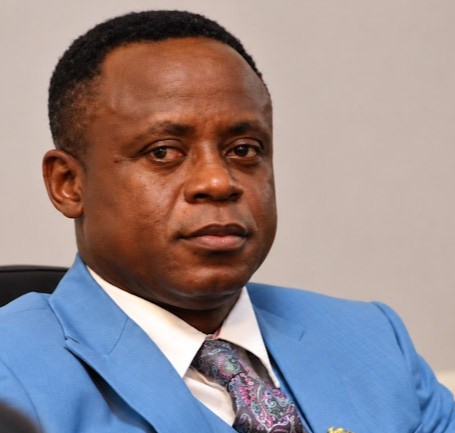
Acting NSA Director-General, Professor Emmanuel Osei Sarpong, has disclosed that the authority cannot guarantee that the damaged lighting system will be fully restored before Ghana’s November fixtures, raising concerns about the stadium’s readiness to host matches requiring adequate illumination.
Speaking in an interview with Citi Sports, Professor Sarpong described the repair work as a major undertaking that would require specialised equipment, technical expertise and substantial financial resources.
“Maybe between 1.5 million and 2 million. Because it’s a huge thing,” he said, outlining the estimated cost of restoring the floodlights.
The damage reportedly occurred on April 29, when a rainstorm accompanied by heavy rainfall and strong winds affected the Accra Sports Stadium’s floodlighting system.
The incident caused extensive damage to parts of the installation, with one of the floodlight towers reportedly suffering significant structural damage.
The situation has since presented the NSA with a technical challenge, as restoring the system requires more than routine maintenance. Engineers must assess the extent of the damage and determine the appropriate measures needed to return the lighting infrastructure to a safe and functional condition.
Professor Sarpong explained that the work would involve the use of cranes and other specialised equipment, alongside repairs to the metal frames supporting the floodlights.
The authority is expected to rely on engineering assessments to determine the precise nature of the work before committing to a repair schedule.
The scale of the damage and the equipment required have contributed to uncertainty over whether the facility will be ready in time for Ghana’s November matches.
Professor Sarpong has been cautious about making assurances, insisting that it would be misleading to promise that the repairs would be completed before the matches.
“The floodlights are a concern. I can’t promise that before our game against Somalia it would be fixed. If I tell you that, I’m not being honest,” he stated.
The admission highlights the uncertainty facing the stadium authorities as they work to restore an important component of the facility.
However, without a confirmed completion date, the stadium’s suitability for hosting matches that require full floodlighting remains uncertain.
Despite the pressure to restore the floodlights before the national team’s fixtures, Professor Sarpong indicated that the authority would prioritise a lasting solution rather than rush the work.
The approach reflects the technical considerations involved in repairing a system that has sustained both lighting and structural damage.
A proper assessment of the damaged components will be necessary to determine whether sections require replacement, reinforcement or other engineering interventions. The safety of the towers and supporting structures will also be an important consideration before the system can be fully restored.
The NSA boss added that the floodlights could still be used for other programmes, but they were not suitable for football matches requiring full illumination.
The floodlight problem adds to the operational responsibilities facing the NSA as it manages one of Ghana’s principal sporting facilities.
The Accra Sports Stadium regularly hosts football matches and other public events, making the maintenance of its infrastructure essential to its continued use.
The latest damage has brought attention to the importance of timely repairs, adequate funding and regular technical assessments of stadium facilities.
The estimated cost of GH¢1.5 million to GH¢2 million also presents a financial consideration for the authority, although the final cost will depend on the findings of the engineers and the scope of work required.


