By Daniel Bampoe
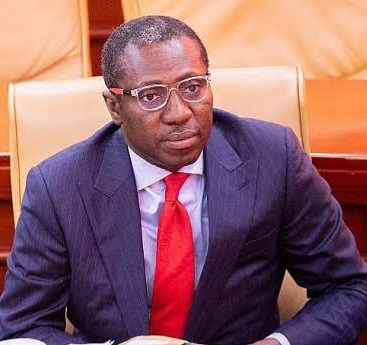
Minority Leader Alexander Afenyo-Markin has launched a strong criticism of the government over the ongoing industrial action by Judicial Service staff, accusing the administration of failing to prioritise the welfare of public sector workers and allowing essential state institutions to grind to a halt.
Speaking on the floor of Parliament on Friday, Afenyo-Markin questioned how a country’s justice delivery system could be brought to a standstill because the government had allegedly failed to treat the concerns of judicial workers as a matter of urgency.
He argued that the strike was not an isolated labour dispute but part of what he described as a growing pattern of dissatisfaction among public sector workers, pointing to similar concerns raised by teachers and nurses over their working conditions and welfare.
According to the Minority Leader, the concerns of workers across critical sectors suggest that the government is not demonstrating the seriousness required to address issues affecting ordinary Ghanaians who depend on public services.
“How can a whole justice delivery system be shut down because government does not see it a priority?” he asked, expressing concern about the consequences of the industrial action for the administration of justice.
Afenyo-Markin also drew a comparison between the situation in the Judicial Service and labour-related challenges in the education and health sectors, insisting that teachers, nurses and judicial staff had all raised concerns about their welfare.
He accused the government of paying insufficient attention to the conditions of service of ordinary public sector employees, arguing that workers responsible for delivering essential services should not be left to resort to strikes before their grievances receive serious attention.
The Minority Leader further questioned the government’s priorities, referring to discussions about reparations in Antigua while, in his view, domestic concerns involving Ghanaian public servants remained unresolved.
He argued that the government must first demonstrate commitment to addressing the concerns of its own workforce, particularly civil servants and other public employees whose services are essential to the effective functioning of the state.
“Your own domestic worker, civil servant, you can pay them and they are on strike, Mr Speaker,” he said, challenging the government to take immediate steps to resolve the labour disputes.
Afenyo-Markin consequently called for the Attorney-General to be urgently brought before Parliament to brief the House on the situation and explain the government’s response to the ongoing strike.
He urged the Leader of Government Business to arrange for the Attorney-General to appear before Parliament, describing the matter as critical and requiring immediate attention.
“The Attorney-General must be programmed by the Leader of Government Business to come and urgently apprise this House, Mr Speaker. That is very critical,” he stated.
The strike by Judicial Service staff has raised concerns about the impact of prolonged industrial action on court operations, access to justice and the delivery of essential judicial services. Court users, litigants and other stakeholders stand to face delays when administrative and support services within the justice system are disrupted.
The dispute also comes against the background of wider labour concerns within the public sector, where disagreements over conditions of service, salary-related matters and outstanding entitlements have repeatedly placed pressure on government-worker relations.