BY DANIEL BAMPOE
Former Vice President Dr. Mahamudu Bawumia has defended his focus on digitisation, insisting that digital transformation is central to economic development and should not be dismissed as an attempt to avoid discussions about Ghana’s economic challenges.
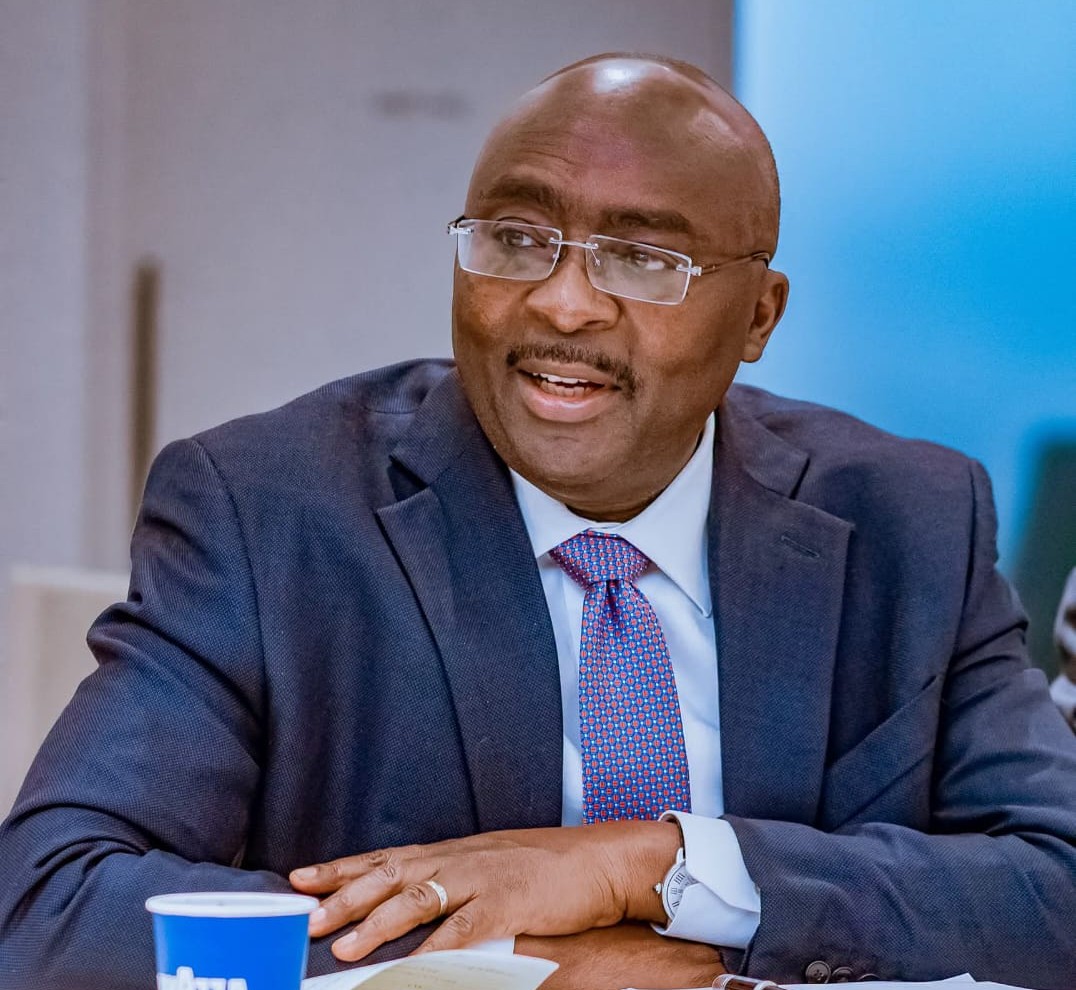
He made the remarks at a town hall meeting in Tokyo, Japan, during his study tour, when he responded to a participant who questioned his emphasis on digitisation and suggested that he was shying away from economic issues.
Dr. Bawumia used the exchange to defend his record in digital transformation, arguing that the global economy had become increasingly digital and that countries that failed to establish the necessary digital infrastructure risked being left behind.
“The world economy is digital. If you don’t go digital, you cannot prosper in the global economy,” he said, adding that digitisation was not merely about technology but about transforming how economies operate.
To support his argument, he cited the growth in mobile money transactions following the introduction of interoperability, which allows users to transfer funds across different mobile money networks.
According to Dr. Bawumia, annual mobile money transactions in Ghana stood at approximately GH¢76 billion when the initiative was introduced.
He indicated that the figure had risen to GH¢4.5 trillion by 2025, describing the growth as evidence of how digital infrastructure could expand economic activity and improve financial transactions.
He also pointed to the Ghana Card and its integration into public services, arguing that the national identification system had helped improve revenue mobilisation at the Ghana Revenue Authority.
On electricity revenue collection, Dr. Bawumia recalled that the Electricity Company of Ghana (ECG) was collecting approximately GH¢450 million monthly before the digitalisation reforms he advocated.
He said he questioned why the company’s reported monthly collections remained relatively consistent and pushed for the introduction of digital payment systems and an end to cash collection. According to him, ECG’s monthly revenue collection had subsequently increased to about GH¢2 billion.
He used the example to argue that digital payment systems could strengthen accountability, improve revenue collection and reduce opportunities for leakages in public institutions.
Dr. Bawumia further illustrated the convenience of digital services by explaining that Ghanaians living abroad could use the ECG Power App to purchase electricity for their homes in Accra without being physically present in the country.
However, the town hall discussion also touched on concerns surrounding the Bank of Ghana’s Gold-for-Reserves programme and reported financial losses associated with the initiative.
Responding to the criticism, Dr. Bawumia referred to losses estimated at US$1.7 billion and argued that they could have been avoided if the programme had focused on accumulating gold reserves rather than engaging in gold trading.
He maintained that once the central bank entered into gold trading activities, it became exposed to potential losses, adding that the programme was still at an early stage and that Ghanaians should be patient as its outcomes unfolded.
His comments brought two major economic policy issues into the discussion: the financial implications of the gold programme and the role of digital transformation in expanding economic opportunities.