BY Issah Olegor
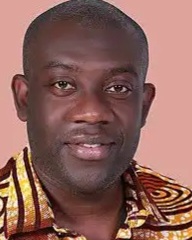
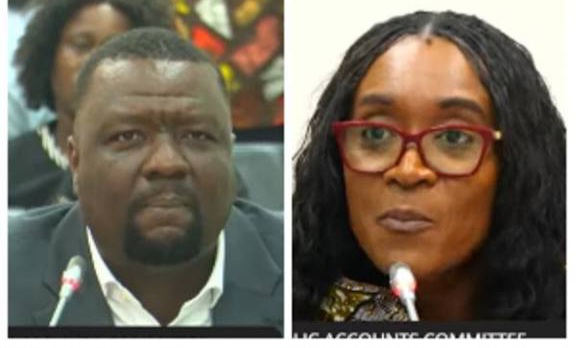
A tense confrontation unfolded during Monday’s sitting of the Public Accounts Committee (PAC) in Parliament when the Chairperson, Abena Osei Asare, sharply questioned the Chief Executive Officer of the Driver and Vehicle Licensing Authority (DVLA), Julius Neequaye Kotey, over privacy and data protection concerns surrounding the Authority’s planned rollout of digital number plates embedded with Radio Frequency Identification (RFID) chips.
The DVLA’s proposed digital plates, which form part of a broader effort to enhance vehicle identification and curb counterfeiting, have been described as a key component of Ghana’s move toward a fully digitised transport database.
However, the PAC Chair raised critical concerns about the nature of personal data that would be displayed or stored within the system.
The Exchange
The session turned heated when Osei Asare, who also serves as MP for Atiwa East, asked the DVLA boss to clarify whether the new digital plates would display the surnames of vehicle owners—a question she argued was essential to understanding potential privacy risks.
Kotey, appearing before the Committee with his technical team, initially gave a general response, insisting that the DVLA was fully compliant with the Data Protection Act, 2012 (Act 843) and that the new system was designed to “digitalise existing information without changing the basic format of license plates.”
Unsatisfied, the Chair pressed further: “You are doing it. You should be able to tell us what the law says. I’m asking a specific question: is it going to have the user’s surname?”
In a sarcastic response, Julius Kotey maintained that names are not displayed on license plates, a remark that appeared to irritate the Chairperson.
“People pay to have their names on number plates,” she retorted, “and you sit here as the DVLA boss to tell me you don’t put names on number plates?”
The Confrontation Intensifies
The exchange escalated when Kotey remarked that the Chair’s line of questioning appeared “unwarranted,” a statement that drew audible disapproval from members of the Committee.
He later withdrew the comment after being prompted by the Chair to maintain decorum during the proceedings.
In clarifying his earlier position, the DVLA CEO explained that while custom or personalized plates—often purchased at a premium—could include names or initials at the owner’s request, the forthcoming RFID-enabled plates would not display any personal identifiers such as names.
He added that data embedded in the RFID chips would be encrypted and accessible only to authorised agencies, such as law enforcement, for verification and tracking purposes.
Broader Context
The planned digital number plate initiative was first proposed in 2023 under the government’s vehicle registration modernization agenda.
It seeks to integrate RFID technology into vehicle plates to help combat cloning, track stolen vehicles, and improve revenue collection from road-related levies.
However, civil society groups and data protection advocates have raised concerns over potential misuse of citizens’ personal information, arguing that without proper oversight, the technology could infringe on privacy rights.
Parliamentary Oversight and Accountability
Chairperson Osei Asare reminded the DVLA boss that Parliament’s duty is to safeguard public interest, insisting that the Committee’s questions were aimed at ensuring transparency, accountability, and data protection in the implementation of the new system.
“You don’t expect me to ask you that question? Are you not the DVLA boss?” she quizzed, drawing laughter from some members in the chamber as tensions eased.
The PAC has since directed the DVLA to submit a comprehensive data protection and technical security plan outlining how the Authority intends to safeguard user information and prevent potential breaches.
Next Steps
The digital number plate project is awaiting final Cabinet approval and additional stakeholder consultations before nationwide rollout.
Once approved, it will mark a significant shift in the vehicle registration framework—linking real-time vehicle data with the National Information Technology Agency’s (NITA) digital infrastructure.
For now, the exchange between the PAC Chair and the DVLA boss has become a talking point in political and media circles, highlighting the tension between technological innovation and citizens’ right to privacy in the ongoing digital transformation drive.