–BY Daniel Bampoe
As the New Patriotic Party (NPP) prepares for an internal reorganization of its structures in anticipation of the 2028 general elections, one of the key issues dominating internal discussions is a proposed expansion of the party’s electoral college—specifically at the polling station level.
Amid ongoing deliberations, a leading member of the party’s 2024 campaign team in the Ayensuano constituency has issued a passionate appeal for party unity, urging leadership to preserve the positions of current polling station executives.
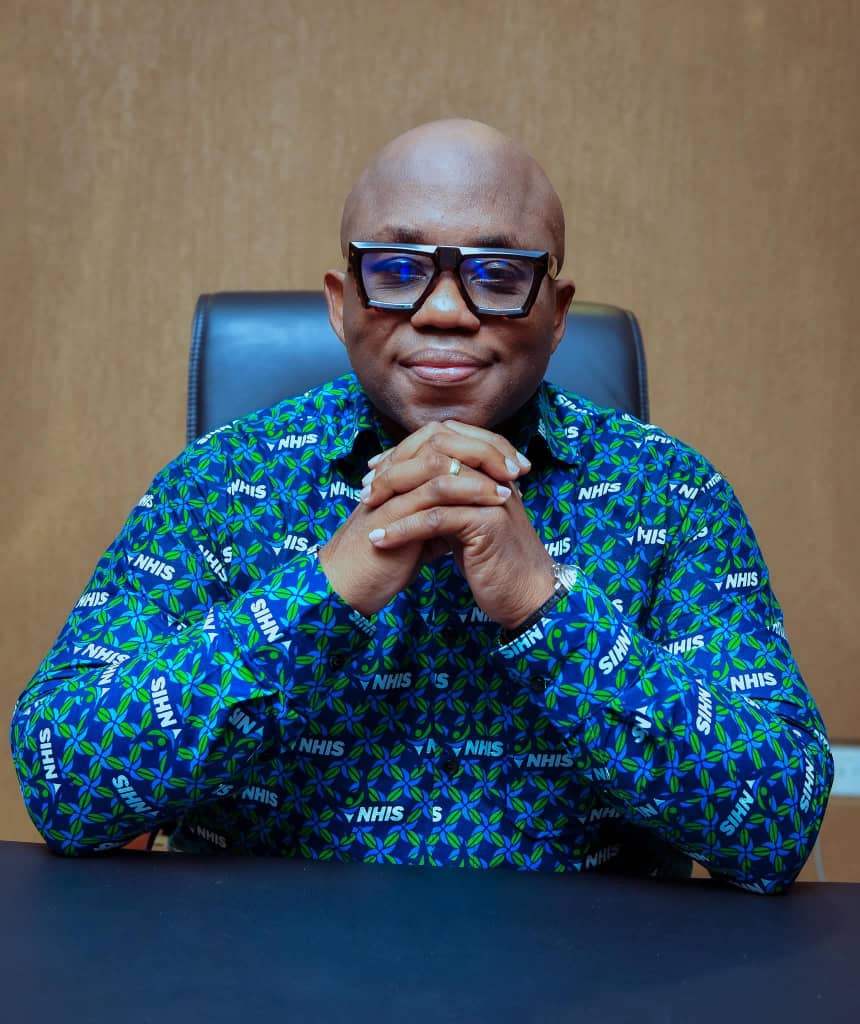
Appiagyei Buabeng, also known popularly as “TaskMaster,” who served as a member of the NPP’s 2024 campaign coordinating team in Ayensuano, has issued a press release advocating for the retention of the existing five polling station officers if the number is increased to fifteen.
“To ensure that the party stays united ahead of the 2028 elections, I urge the committee interrogating Prof Oquaye’s report to consider allowing all existing 5 polling station officers of the party to remain intact, and then elect the additional 10,” Buabeng stated.
Though the party has not officially confirmed a definitive position on the proposed restructuring, there is mounting speculation that the number of polling station executives may be tripled—from five to fifteen—under recommendations believed to be contained in a report authored by former Speaker of Parliament, Prof. Mike Oquaye.
The recommendations, which are yet to be formally adopted, are expected to be subjected to scrutiny at a future Delegates Conference.
The conference will serve as a platform for weighing the advantages and disadvantages of the proposed changes before any formal adoption.
Buabeng cautioned that failure to retain the current officers could risk reigniting internal divisions that hurt the party in the previous election cycle.
He drew from recent history to make his point: “In the run-up to the 2024 elections, many of the disaffections among party people stemmed from polling station elections in 2022.”
“Officers who lost their positions either unfairly or otherwise harbored bitter nostalgic feelings against the party and this affected their participation in party events in the elections.”
The call for inclusivity, he argued, is essential to building party cohesion and ensuring that the party enters the next general election cycle with a united front.
“An arrangement to retain the existing 5 executives shall prevent any nostalgic feelings among the executives and ensure cohesion ahead of the 2028 election,” Buabeng emphasized.
The Ayensuano-based party strategist also expressed concern that any abrupt replacement of polling station officers without adequate consultation and reconciliation could lead to voter apathy, weakened grassroots mobilization, and internal sabotage.
While party insiders await the official release of the Prof. Oquaye report and the final decision of the leadership, Buabeng’s appeal is likely to resonate with a faction of the party base that remains cautious about the impact of internal contests on overall party morale and electoral performance.
However, as the NPP charts its path to 2028, how it handles grassroots restructuring could significantly determine its unity, strength, and competitiveness in Ghana’s next major election.