By Grace Zigah
Access to specialist eye care remains a challenge for many residents in rural constituencies, where the cost of surgery and limited outreach services often delay treatment.
In response to these longstanding gaps, the Member of Parliament for Tano North, Dr Gideon Boako, has launched a free eye screening and surgery initiative aimed at addressing preventable and treatable eye conditions across the constituency.
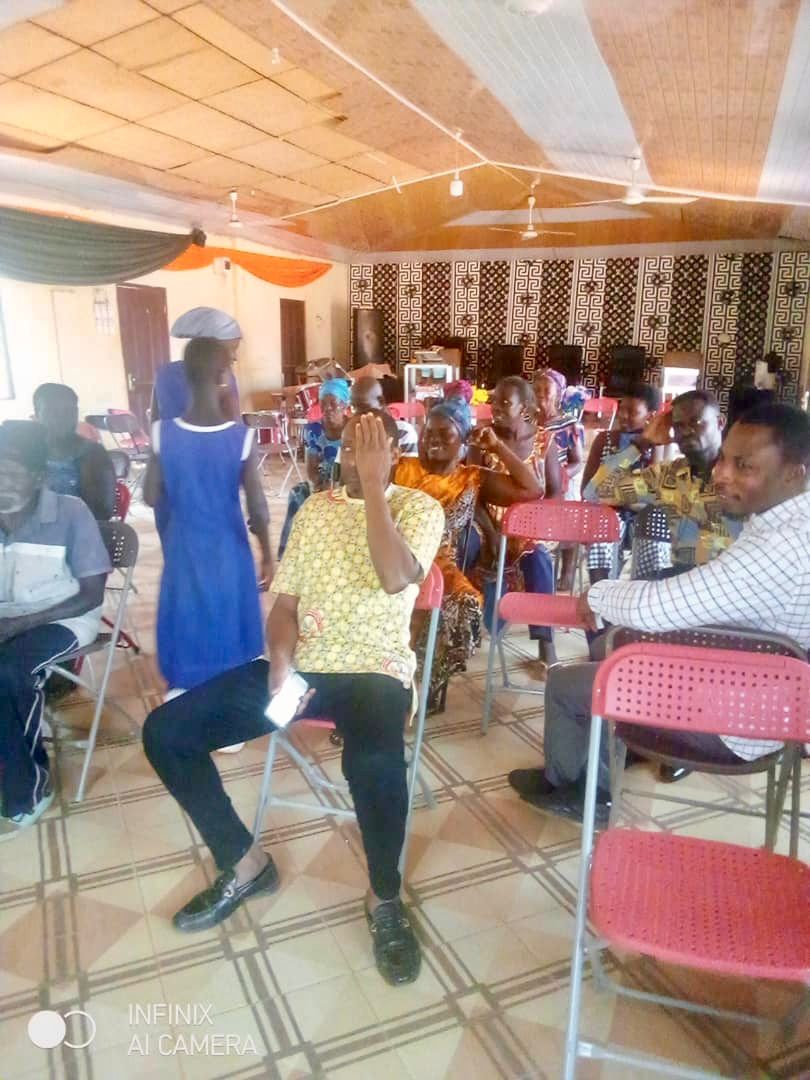
The intervention, described as Phase One of a broader community health programme, was conducted in the Bomaa, Yamfo and Adrobaa zones.
According to the MP, the exercise forms part of his ongoing efforts to improve access to critical healthcare services and reduce the financial burden on residents who require specialised medical attention.
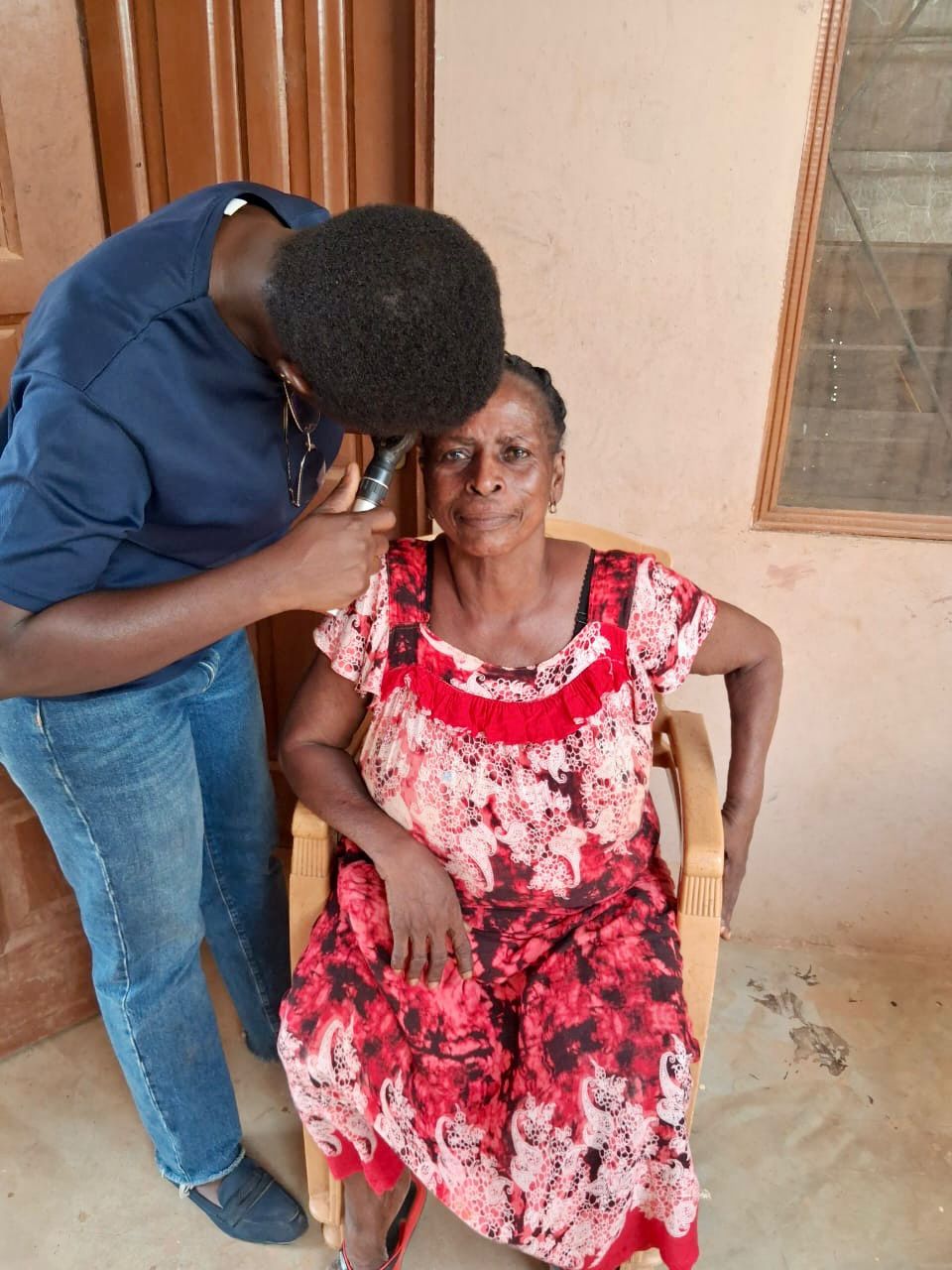
During the screening exercise, approximately 35 individuals were identified as needing surgical intervention.
Dr. Boako subsequently announced that arrangements are underway to fully sponsor their surgeries, ensuring that cost will not be a barrier to treatment.

The beneficiaries are expected to undergo their procedures at the Sunyani Teaching Hospital and the Komfo Anokye Teaching Hospital, two major referral facilities serving the Bono and Ashanti regions respectively.
Among the cases recorded was that of a young girl from Atudrobesa who sustained an eye injury months ago after being struck by a football, resulting in a foreign object becoming lodged in her eye.
The condition has since led to the loss of sight in both eyes.
Dr. Boako indicated that urgent steps are being taken to secure specialist care for her at the Komfo Anokye Teaching Hospital, where she is expected to receive advanced evaluation and treatment.

The MP emphasised that the current intervention marks only the beginning of a sustained eye health campaign in Tano North.
He noted that subsequent phases will be rolled out to cover additional communities within the constituency, expanding the reach of screening services and surgical support.
Dr. Gideon Boako also acknowledged the institutional partners whose collaboration made the programme possible, including the Sunyani Teaching Hospital, the Komfo Anokye Teaching Hospital and the Himalayan Cataract Project.
He commended their technical and logistical support, stating that the partnership is crucial to improving preventive and corrective eye care services for residents.