BY Grace Zigah
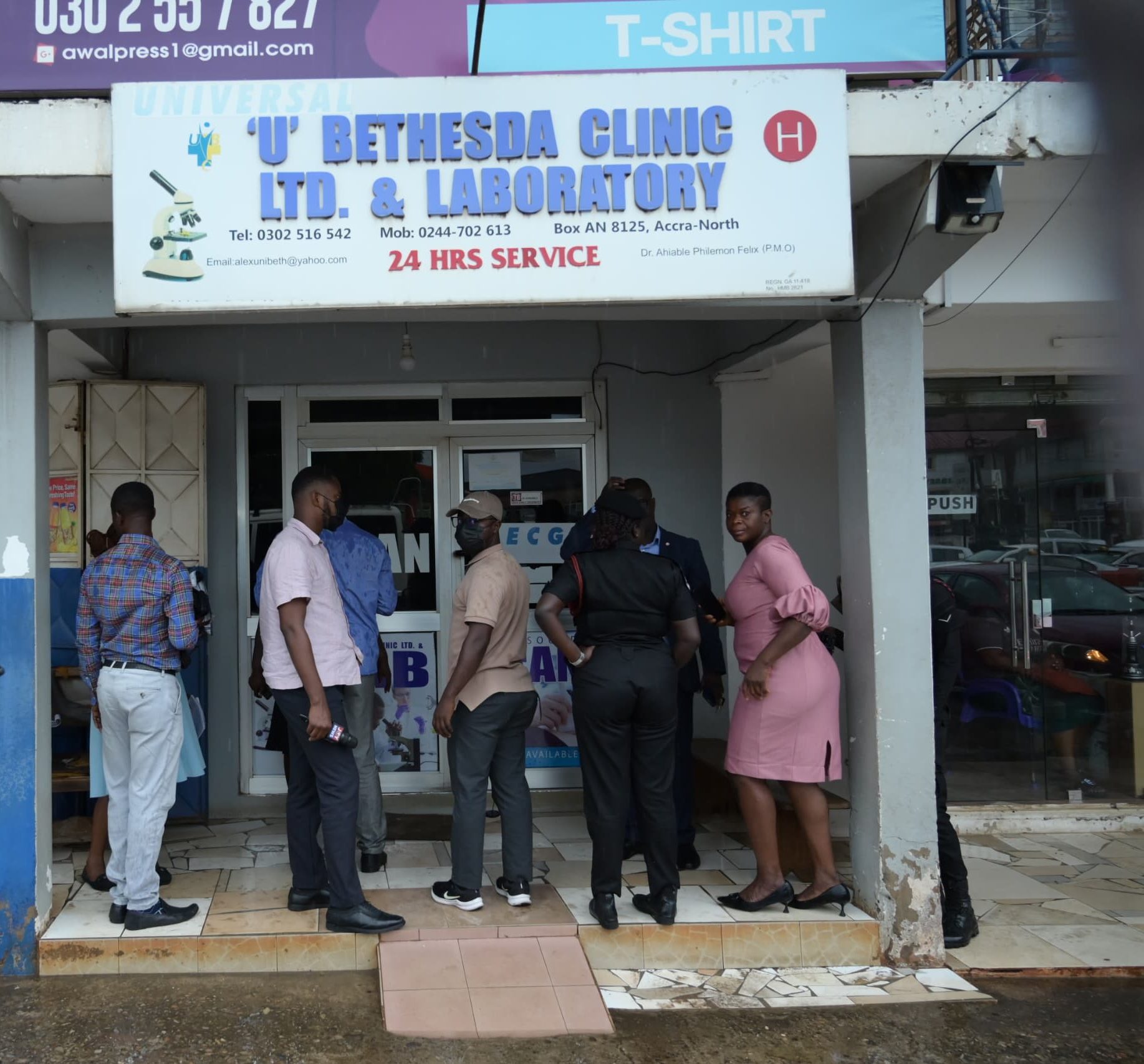
The Health Facilities Regulatory Agency (HeFRA ) has intensified its nationwide clampdown on unlicensed and unsafe health centres, shutting down 17 facilities across Ghana for breaching operational and safety standards.
The agency said the decisive move forms part of an ongoing effort to rid the country’s healthcare system of quack establishments that threaten public health and undermine patient safety.
Speaking at a press briefing in Accra, HeFRA’s Chief Executive Officer, Dr. Winfred Baah, disclosed that the closed facilities were found operating with expired licences, while others had failed to meet the minimum regulatory and environmental standards required for healthcare delivery.
He said the decision was not only to enforce compliance but also to protect unsuspecting patients from preventable harm.
“A few of the facilities have been very recalcitrant. They have not paid their administrative fines and have also failed to take steps to renew their licences. Once a facility is unlicensed, we cannot be certain about the competence of the personnel or the safety of the equipment used to provide care to patients,” Dr. Baah stressed.
HeFRA’s latest enforcement exercise follows several warnings issued earlier this year to health institutions operating without valid permits.
In August 2023, the agency suspended over 40 private clinics and maternity homes in the Ashanti and Central Regions for similar violations.
The agency noted that despite repeated engagements, some operators continue to disregard the law, endangering the lives of Ghanaians.
According to Dr. Baah, HeFRA’s monitoring teams uncovered troubling infractions during their inspections, including poor hygiene, unqualified personnel, expired medical consumables, and the use of uncertified laboratory equipment.
“Such lapses pose serious risks to public safety, leaving the agency with no choice but to shut down non-compliant facilities,” he explained.
HeFRA was established under the Health Institutions and Facilities Act, 2011 (Act 829), to license, monitor, and regulate all public and private health facilities in Ghana.
However, enforcement has often been hampered by logistical constraints and widespread non-compliance, especially among smaller, privately run clinics.
Dr. Baah said the agency is now “undergoing a reset” to strengthen its regulatory mandate, including digitalising the licensing process, enhancing inspection capacity, and collaborating more closely with regional health directorates and law enforcement agencies.
He reaffirmed HeFRA’s commitment to ensuring that healthcare delivery in Ghana meets international standards.
“We are determined to protect patients and ensure that every health facility—whether public or private—operates within the law. Those who defy the regulations will face sanctions, including closure and possible prosecution,” he warned.
The shutdowns have sparked a national debate about the growing number of unregistered health facilities in rural and peri-urban areas, where access to affordable healthcare remains limited.
Health analysts have called on the government to balance enforcement with improved access, particularly by supporting licensed community clinics and incentivizing rural practitioners to meet HeFRA’s operational requirements.
The agency has since urged the public to verify the licensing status of any health facility before seeking treatment and to report suspicious operations to the nearest HeFRA office.