By Grace Zigah
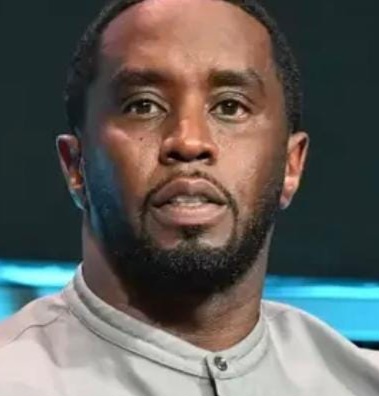
Hip-hop icon and business mogul Sean “Diddy” Combs, one of the most powerful figures in global entertainment, has been sentenced to 50 months in prison after a federal court in New York found him guilty on two prostitution-related charges.
The ruling, delivered on Friday, October 4, 2025, marked a dramatic downfall for a man whose decades-long career was built on music, fashion, and business empires.
A Career of Highs Overshadowed by Scandal
For more than 30 years, Diddy stood as a symbol of hip-hop’s rise into mainstream culture.
From founding Bad Boy Records in the 1990s and working with artists such as The Notorious B.I.G. and Mary J. Blige, to expanding into fashion with his Sean John clothing line and ventures in liquor and media, he embodied entrepreneurial success.
But alongside his triumphs were repeated brushes with controversy.
Over the years, allegations of violence, abusive relationships, and extravagant lifestyle excesses followed him.
In recent years, ex-girlfriends Cassandra “Cassie” Ventura and another woman known only as “Jane” publicly accused him of coercion, abuse, and involvement in “freak-offs” — encounters where escorts were allegedly paid to engage in sex acts with his partners while he watched and recorded.
Inside the Courtroom Drama
The nearly two-month trial was a spectacle that brought Diddy’s private life into the open.
Prosecutors painted him as a manipulative figure who exploited his fame and fortune to create an abusive environment masked by luxury and influence.
They alleged he plied his partners with drugs, subjected them to physical violence, and coerced them into sexual encounters that left lasting trauma.
While Combs was acquitted of the more serious charges of racketeering and sex trafficking, the jury found him guilty of transporting women across state lines for the purpose of prostitution, a violation of the Mann Act of 1910.
During sentencing, the courtroom was gripped with emotion. Several of Diddy’s children broke down in tears while pleading for leniency.
His son Quincy Brown described him as “a changed man” who had evolved in prison. His daughter Delila begged the judge to give her father “a second chance” so their family could heal.
Combs himself, speaking publicly for the first time since the trial began, admitted his wrongdoing.
“My actions were disgusting, shameful, and sick. I got lost in excess, I got lost in my ego,” he told the court.
He apologized to his victims, his mother, and his seven children. “I don’t have nobody to blame but myself. I know that I’ve learned my lesson.”
The Judge’s Verdict
Judge Arun Subramanian, however, insisted a strong sentence was necessary, describing Combs’ conduct as “subjugation” that left his victims with lifelong trauma.
Rejecting defence claims that Combs had not financially profited from the offences, the judge emphasized that “control, not money, was his currency.”
In addition to the 50-month sentence, Combs was fined $500,000. He will receive credit for the 13 months already served while awaiting trial.
The Arguments On Both Sides
Prosecutors argued for an 11-year sentence, citing Diddy’s history of domestic violence.
They argued that a lighter sentence would “let the defendant get away with years of abuse.” Defence lawyers, meanwhile, urged for 14 months, describing Combs as reformed, remorseful, and a positive influence on fellow inmates.
They also highlighted his contributions to black entrepreneurship, his philanthropic work, and the trauma and drug addiction they said fueled his past behaviour.
His legal team has already announced plans to appeal the decision.
A Shattered Legacy
For years, Diddy was celebrated not just as an artist but as a symbol of black cultural and financial power.
He amassed wealth, mentored upcoming musicians, and helped shape hip-hop into a global movement.
His downfall, however, is now seen as one of the most shocking in the entertainment industry, raising questions about abuse of power, celebrity privilege, and accountability.