BY Daniel Bampoe
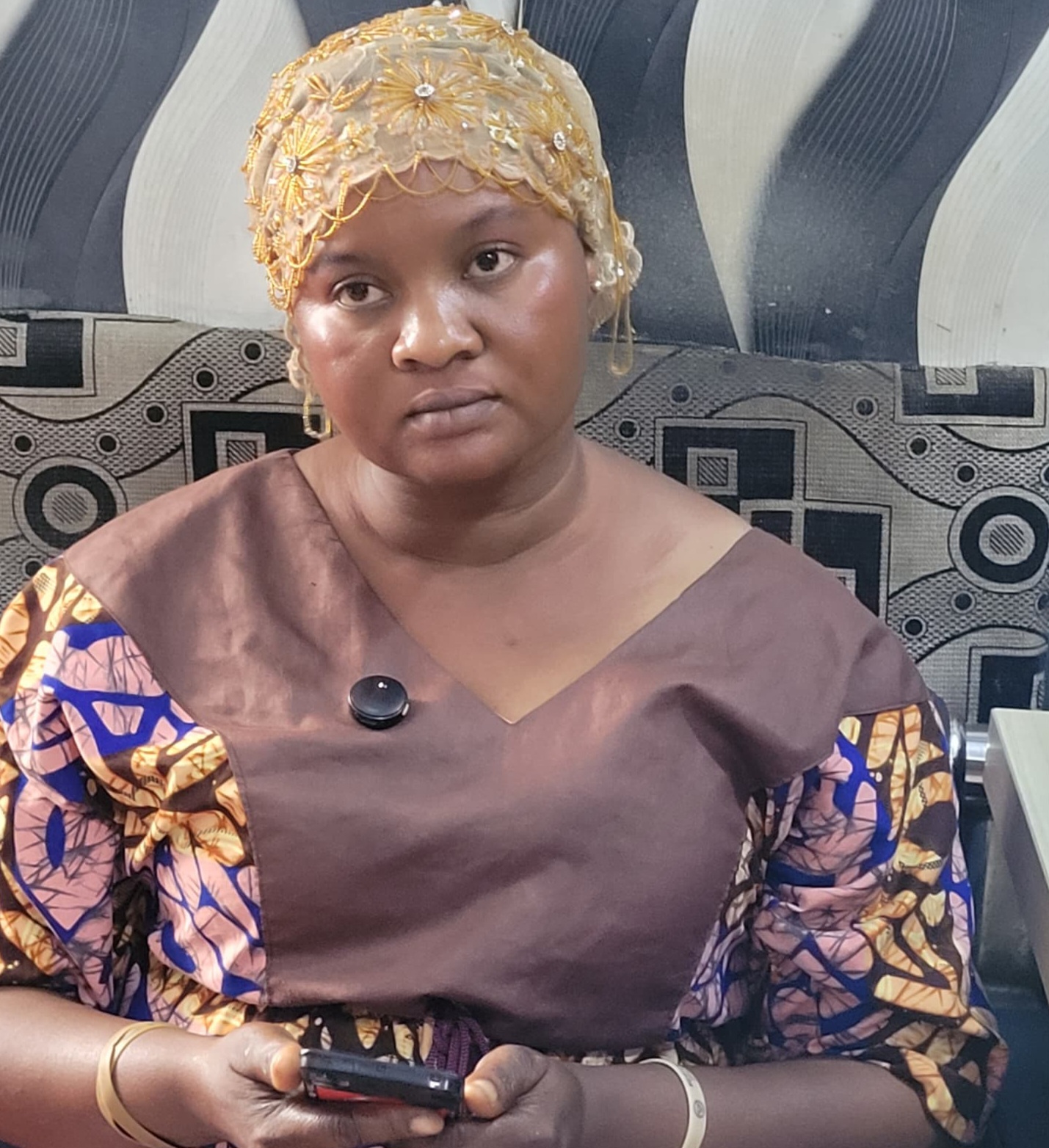
A fresh wave of controversy has hit the Scholarship Secretariat after former Registrar and Member of Parliament for Abuakwa South, Dr. Kingsley Agyemang, fiercely rejected accusations by the High Commissioner to the United Kingdom, Sabah Zita Benson, that he left behind a staggering £32 million debt that has stranded Ghanaian students abroad.
What began as a diplomatic briefing in London has now spiraled into a public confrontation, reviving a long-running debate about systemic financial lapses at the Secretariat.
For years, the Scholarship Secretariat has struggled with cyclical debt, largely due to longstanding structural misalignments between academic calendars and the national financial year.
Administrations spanning both NDC and NPP governments have grappled with consistent rollover liabilities, often requiring emergency interventions from the Presidency to prevent students from being withdrawn from foreign institutions.
This background, Dr. Agyemang insists, is crucial to understanding the current crisis.
Speaking in an exclusive interview, Dr. Kingsley Agyemang dismissed the High Commissioner’s assertion that he presided over reckless award letters and deliberate overspending.
According to him, he inherited a debt of GHS 230 million—equivalent to over USD 54 million—when he assumed office under the Akufo-Addo administration.
Despite this, he insisted, no Ghanaian student abroad was ever recalled or expelled during his tenure. The Secretariat, he explained, had always operated with rolling liabilities due to the nature of academic billing cycles.
He further revealed that the Akufo-Addo government even absorbed obligations for scholarship beneficiaries under arrangements initiated by the previous NDC government, including students sent to Hungary under a programme signed by former Deputy Education Minister Samuel Okudzeto Ablakwa.
This, he said, symbolised continuity of support rather than partisan selectivity.
Dr. Agyemang strongly criticised the UK High Commissioner’s approach, describing her public disclosure of the alleged £32 million debt as an unnecessary diplomatic misstep that risked tarnishing the global reputation.
According to him, scholarship-related liabilities are not matters to be sensationalised on foreign soil. While acknowledging that investigations are underway, he insisted that no money was ever diverted for personal gain and welcomed any security probe into the Secretariat’s financial records.
Meanwhile, the UK High Commissioner, Sabah Zita Benson, has maintained a firm stance. Meeting distressed Ghanaian students in London, she reportedly expressed shock at what she described as “irresponsible and unacceptable” financial management.
Some students complained of being denied exams, chased by institutions for fees, and threatened with expulsion. She alleged that some beneficiaries were compelled to pay bribes as high as £10,000 for scholarship award letters—money that could have covered their tuition.
Mrs. Benson further suggested that the former registrar intentionally imposed the financial burden on the new administration, leaving the High Commission overwhelmed with mounting demands from UK universities.
Out of the alleged £35 million liability, she said, only £3 million has so far been settled.
She confirmed that a formal investigation has begun to trace the root of the financial lapses and potential corruption.
With students’ academic futures hanging in the balance, Dr. Agyemang has appealed directly to President John Mahama to intervene diplomatically and urgently.
He cautioned that recalling students out of panic would not eliminate the debt but would instead disrupt their lives and damage the credibility with partner institutions abroad.
The former Scholarships Registrar maintains that the current administration continues to issue scholarships despite knowing the existing liabilities – proof, he argues, that debt accrual is institutional, not personal. In his view, Mrs. Benson’s public outburst was “out of order” and failed to reflect diplomatic best practice.