
BY Grace Zigah
The Kumasi Metropolitan Assembly (KMA) is staring down a financial abyss, saddled with a crippling debt of over GH¢123 million and facing 44 lawsuits, some of which stem from wrongful demolitions and irregular contract terminations.
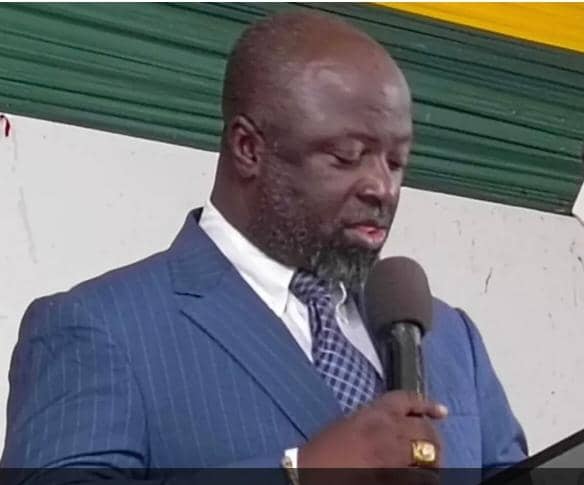
This revelation came from Metropolitan Chief Executive, Richard Ofori-Agyeman Boadi, during his first official address to the Assembly on Thursday, July 17, 2025.
The announcement, made at the Prempeh Assembly Hall during the 9th Assembly’s second session, has ignited urgent conversations about accountability and systemic reform in Ghana’s second-largest metropolis.
Legacy Liabilities and Court Battles
According to the Mayor, the Assembly’s total debt as of 30th June 2025 stands at GH¢123,485,021.95, much of it stemming from judgment debts and court-related claims.
These liabilities, he explained, are not only inherited from past administrations but continue to mount due to “legacy obligations and new claims, often arising without prior notice.”
Out of the 44 lawsuits currently pending, 10 are actively in court while 34 are either dormant or in the process of resolution.
Seven of those have already been settled out of court, he said.
“Many of these cases emanate from unauthorised demolitions and abrupt contract terminations carried out without legal backing or proper consultation,” the Mayor revealed, acknowledging what he called a “breakdown of internal legal procedure.”
Legal Overhaul to Avoid Future Debt Traps
To curb future liabilities, the KMA is rolling out a legal reform agenda led by its Legal Department. The plan includes:
Seeking out-of-court settlements where feasible,
Negotiating flexible payment terms for settled claims,
And implementing a new risk assessment framework to vet future contracts and demolitions.
The Mayor issued a firm directive to all departments and sub-metro offices to route all future contract and demolition proposals through his office for legal vetting before implementation.
“This is not just about solving today’s problems. It’s about making sure we don’t keep repeating them,” he said.
Revenue Mobilisation Amid Fiscal Pressures
Despite the debt crisis, the Assembly has seen modest improvements in revenue collection.
As of June 2025, KMA has mobilised GH¢20.3 million in Internally Generated Funds (IGF) and GH¢23.2 million from grants, totalling over GH¢43.6 million in receipts for the year.
The IGF showed an increase of nearly 22% in 2022/2023, and 27% in 2023/2024, reflecting what the Mayor described as the Assembly’s growing capacity to generate funds internally.
He attributed this to tighter controls, increased digitisation of revenue systems, and community-level engagements to improve compliance.
Still, he warned that with increasing demands for infrastructure, sanitation, and public services, “our ability to develop the metropolis hinges on the availability and prudent use of financial resources.”
Hope from the Common Fund
In a slight relief, the Assembly has received confirmation that it will receive GH¢29.6 million annually under the restructured District Assemblies Common Fund.
These funds, however, are earmarked and will be strictly channelled into education, health, and infrastructure development.
“This gives us the breathing space to plan ahead—but only if we learn from past financial mismanagement,” the Mayor added.
The Bigger Picture
The financial crisis facing KMA mirrors challenges across many local assemblies in Ghana, where judgment debts, poor legal oversight, and revenue leakages continue to threaten the viability of decentralised governance.


