BY Nadia Ntiamoah
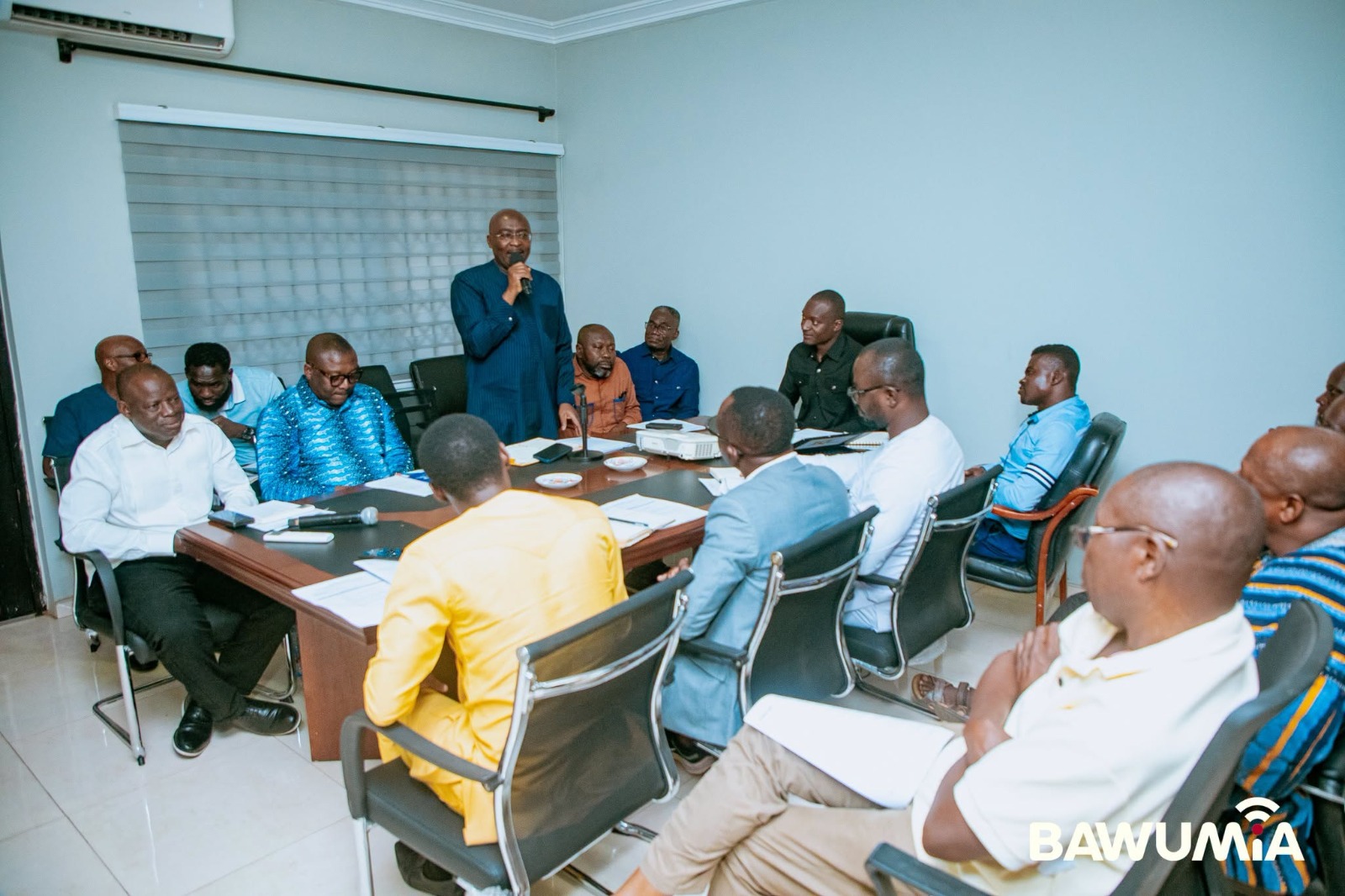
The New Patriotic Party has constituted a nine-member ad-hoc committee to develop a comprehensive operational manual that will clearly define the roles and responsibilities of party officers at all levels.
The move, approved by the party’s National Executive Committee (NEC), is part of ongoing reforms aimed at strengthening internal structures and improving administrative efficiency ahead of the 2026 internal elections.
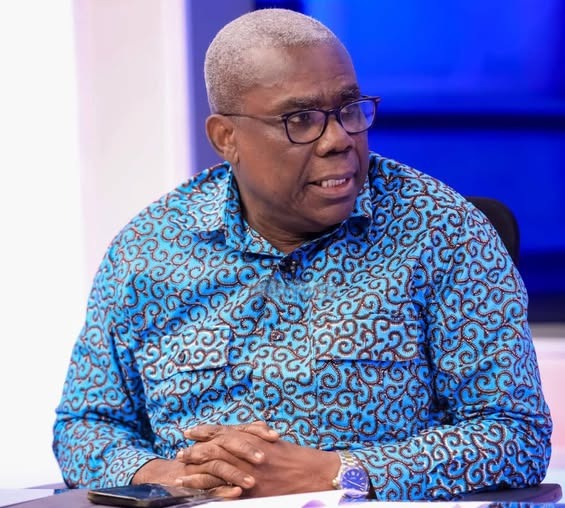
The committee, chaired by Peter Mac Manu, a former National Chairman of the party, is expected to produce a detailed framework that will guide party officials from the polling station level through to the national hierarchy. Assisting him as Deputy Chairman is Osei Bonsu Amoah, a seasoned legal practitioner and political figure within the party.
He is the immediate past MP for Akuapem South, Aburi in the Eastern region.
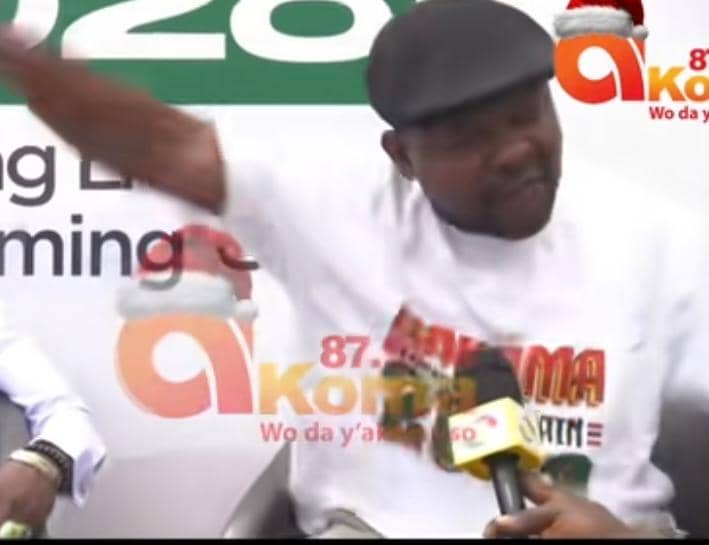
Other members of the committee are Henry Nana Boakye, popularly known as “Nana B,” Enoch Anhwere Afoakwah who serves as Member/Secretary, Anthony Namoo, Haruna Mohammed, Justina Marigold Assan, former Central regional Minister, Amma Frimpomaa Dwumah, and Joana Addah.
Background: Addressing Longstanding Structural Gaps
The formation of this committee comes against the backdrop of longstanding concerns within the NPP regarding the lack of clarity in the duties of party officers, particularly at the grassroots level.
Over the years, internal election disputes, administrative overlaps, and coordination challenges have often been traced to unclear role definitions and weak enforcement of party structures.
Following the party’s performance in the 2024 general elections and subsequent internal reviews, including recommendations from the Oquaye Election Review Committee, the NPP leadership identified the need to streamline operations and establish a clear chain of responsibility across all levels of the party.
The development of a standardized manual is therefore seen as a critical step in eliminating ambiguity and ensuring consistency in the execution of duties.
Mandate Of The Committee
The committee has been tasked with drafting a comprehensive Party Officers’ Manual that will outline the specific responsibilities, expectations, and operational boundaries of party officials. This includes officers at the polling station, electoral area, constituency, regional, and national levels.
Party sources indicate that the manual will also address issues such as reporting structures, coordination mechanisms, disciplinary procedures, and best practices for managing party activities. By codifying these elements, the NPP aims to create a uniform system that enhances accountability and reduces internal conflicts.
Strategic Importance Ahead Of 2026 Elections
The timing of the committee’s formation is significant, as the party prepares for its nationwide internal elections scheduled to run from the grassroots to the national level in 2026. These elections are expected to play a pivotal role in reshaping the party’s leadership and positioning it for the 2028 general elections.
Political analysts note that without clearly defined roles, internal elections can often lead to confusion and disputes, particularly in areas where multiple officers perform overlapping functions. The proposed manual is therefore expected to serve as a guiding document that ensures smooth coordination and effective supervision throughout the electoral process.
Toward Institutional Strengthening
The establishment of the committee signals a broader shift within the NPP toward institutional strengthening and professionalization of its internal operations. By leveraging the experience of senior party figures, legal experts, and administrators, the party hopes to produce a robust framework that will stand the test of time.
Ultimately, the success of the initiative will depend on how effectively the recommendations of the committee are implemented across the party’s structures.
However, the move is widely seen as a proactive step toward building a more disciplined, transparent, and efficient political organization as the NPP charts its path toward future electoral contests